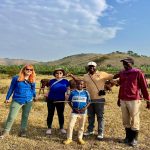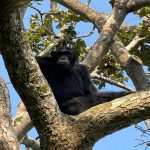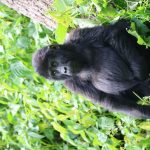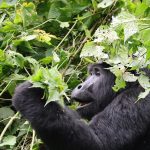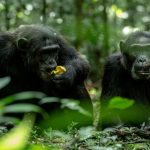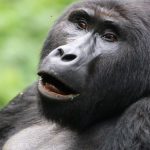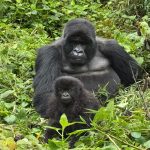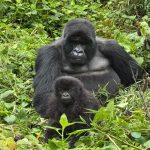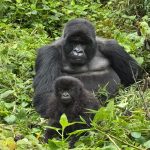
What to Wear for Gorilla Trekking in Uganda. One of the biggest misconceptions about gorilla trekking is that it’s simply a leisurely walk through the forest. In reality, trekking in Uganda’s mountain forests can be physically demanding, involving steep slopes, muddy trails, thick vegetation, and rapidly changing weather conditions. Gorilla trekking is carried out from the rain forests of Bwindi impenetrable Forest National Park and Mgahinga Gorilla National Park. One moment you’re hiking under sunshine, and the next you’re navigating a rain-soaked trail deep within the forest. The good news is that you don’t need expensive safari clothing or specialized expedition gear. What matters most is wearing practical, comfortable clothing that protects you from the elements and allows you to move freely. The right outfit can make the difference between focusing on the experience of seeing mountain gorillas and spending the day distracted by discomfort.
What to Wear for Gorilla Trekking in Uganda
Long-Sleeved Shirt
A lightweight, breathable long-sleeved shirt is one of the most important items you’ll wear during your trek. Gorilla habitats are filled with thick vegetation, and guides often lead visitors through areas where branches, vines, and shrubs brush against their arms. Long sleeves help protect your skin from scratches, thorny plants, stinging nettles, insect bites, and prolonged sun exposure. Since trekking can be physically demanding, it’s best to choose moisture-wicking fabrics that keep sweat away from your skin and dry quickly if they become wet. Neutral colors such as khaki, olive green, grey, and brown is ideal. While bright colors are not prohibited, natural tones blend better with the environment and tend to look more appealing in photographs.
Long Hiking Trousers Are Essential
When it comes to gorilla trekking, shorts are rarely a good idea. Even on warm days, your legs need protection from the forest environment. Long hiking trousers shield your skin from sharp vegetation, insect bites, mud, and scratches that are common when moving through dense undergrowth. Lightweight trekking pants are usually the best option because they allow flexibility and remain comfortable throughout the hike. Many experienced trekkers tuck their trousers into their socks, especially when trekking through thick vegetation. This simple trick helps keep ants, insects, and other small creatures from finding their way inside your clothing.
Waterproof Hiking Boots
If there is one item worth prioritizing, it’s a reliable pair of hiking boots. Uganda’s gorilla trekking routes can be muddy and slippery throughout the year, even during the drier months. A good pair of hiking boots should provide strong ankle support, excellent grip, and water resistance. Since the duration of a trek can vary significantly, comfort is equally important. Boots that fit properly and have already been broken in will help prevent blisters and foot fatigue. Many first-time trekkers underestimate how challenging some sections of the trail can be. Uneven terrain, steep inclines, and wet conditions make proper footwear one of the most important investments for your trekking experience.
A Lightweight Waterproof Rain Jacket
The forests of Bwindi and Mgahinga are located in regions where rainfall can occur at any time of the year. Even if the day begins with clear skies, conditions can change quickly. A lightweight waterproof jacket should always be part of your trekking gear. It provides protection from unexpected showers while remaining easy to carry when not needed. The best jackets are both waterproof and breathable, preventing you from becoming overheated during strenuous sections of the hike. Many travelers make the mistake of leaving their rain jacket behind when the forecast looks favorable. In mountain forests, however, weather can be unpredictable, and being prepared is always the safer choice.
Gardening Gloves or Trekking Gloves
Gloves are one of the most overlooked items on a gorilla trekking packing list. Yet many experienced trekkers consider them invaluable. During the hike, you’ll often find yourself grabbing branches, vines, and tree trunks for support. Gloves help protect your hands from thorns, rough bark, stinging plants, and small cuts that can occur while navigating the forest. Simple gardening gloves are usually more than sufficient and are often recommended by guides because they provide excellent protection without adding unnecessary weight to your gear.
A Hat for Sun and Rain Protection
Although much of the trek takes place beneath forest canopy, there are sections of the trail where you’ll be exposed to direct sunlight. A lightweight hat or cap helps protect your face from the equatorial sun while also offering some protection from light rain and dripping vegetation. It doesn’t need to be elaborate comfort and practicality are far more important than style. For those sensitive to sun exposure, a wide-brimmed hat can provide additional protection throughout the day.
Gaiters
Gaiters may not be a necessity, but they can dramatically improve comfort, especially during wet conditions. These protective coverings fit over your boots and lower legs, helping prevent mud, water, grass seeds, insects, and debris from entering your footwear. In a forest environment where trails can become muddy and overgrown, gaiters offer an extra layer of protection that many trekkers appreciate. If you’re visiting during one of Uganda’s rainy seasons, gaiters can be particularly useful.
A Small Daypack for Essentials
A comfortable daypack is essential for carrying everything you’ll need during the trek. Most visitors use their backpack to carry drinking water, snacks, a rain jacket, sunscreen, cameras, medications, and other personal items. Since you’ll be wearing it for several hours, choose a bag with padded shoulder straps and enough space to hold your essentials without feeling bulky. Water-resistant materials are also helpful, particularly if rain is expected.
Don’t Forget These Small Essentials
Some of the most useful items for gorilla trekking are also the easiest to overlook. Insect repellent helps protect against bites during the hike, while sunscreen provides protection during exposed sections of the trail. A reusable water bottle is essential for staying hydrated, especially on longer treks.
Energy snacks such as nuts, protein bars, or dried fruit can help maintain your energy levels during physically demanding hikes. If photography is important to you, bringing a good camera can greatly enhance your experience. While smartphones can capture excellent images, many visitors appreciate having a camera with zoom capabilities when photographing gorillas in their natural habitat.
Remember that flash photography is strictly prohibited around gorillas.
What NOT to Wear
Choosing the right clothing is important, but avoiding the wrong clothing is equally critical. Shorts, tank tops, sandals, flip-flops, and open-toed shoes leave you vulnerable to scratches, insects, and uncomfortable trail conditions. Heavy denim jeans can become restrictive and uncomfortable when wet, while expensive jewelry may attract unwanted attention and add unnecessary risk. Strong perfumes and fragrances should also be avoided, as they can be disruptive in a wildlife environment and may affect the trekking experience.
A Simple Gorilla Trekking Outfit Checklist
- Long-sleeved moisture-wicking shirt
- Lightweight hiking trousers
- Waterproof hiking boots
- Thick hiking socks
- Waterproof rain jacket
- Lightweight gloves
- Hat or cap
- Small daypack
- Water bottle
- Camera
- Insect repellent
- Sunscreen
The key to dressing for gorilla trekking is balancing comfort, protection, and practicality. Uganda’s mountain forests can be muddy, steep, and unpredictable, but with the right clothing and gear, you’ll be prepared for whatever the trail brings.
Ultimately, your outfit isn’t what you’ll remember most. What stays with you is the moment you come face-to-face with a mountain gorilla in its natural habitat. The right clothing simply ensures that nothing distracts you from one of the most remarkable wildlife encounters on Earth