Buraiga Chimpanzee Habituation Experience in Kibale Forest, Uganda
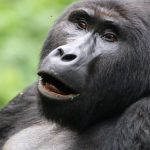
Buraiga Chimpanzee Habituation experience. Deep in the lush rainforests of western Uganda lies one of Africa’s most immersive primate experiences the Buraiga Chimpanzee Habituation Experience. This is not a typical wildlife encounter where animals are briefly seen and left behind. Instead, it is a full-day journey into the world of wild chimpanzees, where you follow their lives from the moment, they wake up to the time they settle into their night nests. It takes place within the greater Kibale Forest ecosystem, a region often referred to as the “Primate Capital of the World” due to its extraordinary biodiversity and high concentration of chimpanzees. The Buraiga chimpanzee group is part of an ongoing habituation process, meaning they are gradually being accustomed to human presence for research and conservation purposes. This makes the experience both scientifically important and deeply personal for visitors.
Buraiga Chimpanzee Habituation Experience
A Journey into the Heart of the Forest
The experience begins early in the morning, long before the forest is fully awake. You meet your guides and Uganda Wildlife Authority rangers at the park headquarters, where a briefing prepares you for the day ahead. There is a sense of anticipation in the air not just excitement, but respect for what lies ahead. As dawn breaks, you enter the forest. The path is not always clear. Kibale Forest is dense and alive, with towering trees, thick undergrowth, and a constant soundscape of birds, insects, and distant primate calls.
Every step feels like you are moving deeper into a world that operates entirely on its own rhythm. Unlike standard chimpanzee trekking, where you search for already habituated groups, the habituation experience involves tracking chimpanzees that are still adjusting to human observers. This means your guides rely on subtle signs fresh nests, broken branches, vocalizations, and movement patterns to locate the group.
Following the Daily Life of Wild Chimpanzees
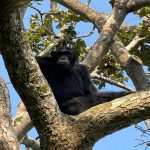
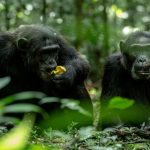
Once the chimpanzees are located, the real experience begins. You do not simply watch them from a distance; you follow them throughout their day. This is what makes the habituation experience so unique. Chimpanzees typically wake up at sunrise, leaving their nests high in the trees. You may witness them grooming each other in the early morning light, a behavior that strengthens social bonds within the group. Mothers stay close to their young, while juveniles swing energetically through branches, testing their strength and coordination. As the day progresses, the chimps begin moving through the forest in search of food.
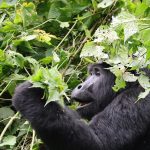
Their diet is diverse, including fruits, leaves, seeds, and occasionally small animals. Watching them forage offers a rare glimpse into their intelligence and adaptability. You begin to notice how carefully they select food sources, communicate through vocalizations, and coordinate movement as a group. Because the Buraiga group is still undergoing habituation, their behavior remains more natural and less influenced by human presence. They may occasionally pause to observe you, or shift their movement patterns slightly, but they continue their daily life largely undisturbed. This creates a sense of authenticity that is rare in wildlife tourism.
A Full Day Immersed in Their World
Unlike standard chimpanzee trekking experiences that last about one hour, the habituation experience lasts most of the day typically six to eight hours in the forest. This extended time allows you to witness the full range of chimpanzee behavior. There are moments of intense activity, such as playful chases through the canopy or loud vocal exchanges between individuals. There are also quieter periods, where the group rests, grooms, or simply observes their surroundings. These slower moments are often the most memorable, as they reveal the emotional depth and social complexity of chimpanzee communities. Throughout the day, you remain with experienced researchers and rangers who are actively studying the group. Their knowledge adds depth to the experience, helping you understand not just what the chimpanzees are doing, but why they are doing it. You begin to see patterns of leadership, family structure, and communication that are strikingly familiar yet entirely wild.
The Forest as a Living Environment
Kibale Forest itself plays an equally important role in the experience. It is one of the most biodiverse tropical rainforests in East Africa, home to over 12 primate species including red colobus monkeys, L’Hoest’s monkeys, and black-and-white colobus monkeys. Birdlife is equally rich, with hundreds of species filling the canopy with sound. The forest is not a backdrop it is an active, living environment. Light filters through dense foliage in shifting patterns. The air is humid and earthy, carrying the scent of vegetation and damp soil. At times, the forest feels still; at other times, it bursts into movement and sound. Walking through this environment for an entire day creates a deep connection to nature that is difficult to replicate in shorter wildlife experiences. You are not just observing wildlife you are moving within their world.
Conservation and Scientific Importance
The Buraiga Chimpanzee Habituation Experience is not only a tourism activity but also an important conservation effort. Habituation is a long and delicate process that allows researchers to study chimpanzee behavior more closely, which in turn supports long-term conservation strategies. By participating in this experience, visitors contribute directly to the protection of chimpanzees and their habitat. Permit fees support Uganda Wildlife Authority and ongoing research programs, helping ensure that Kibale Forest remains a safe and protected environment for future generations. It is important to understand that habituation does not mean taming wildlife. The goal is to allow chimpanzees to become comfortable with neutral human presence while maintaining their natural behavior. This balance is carefully managed by researchers and rangers who prioritize the well-being of the animals at all times.
Physical Experience and What to Expect
This is a physically demanding experience. The forest terrain can be uneven, muddy, and steep, especially after rainfall. You should be prepared for long hours of walking at a steady pace, often without clear paths. Comfortable hiking boots, long trousers, and rain protection are essential. The climate in Kibale is tropical, meaning conditions can change quickly from sunshine to rain and back again within a short period. Despite the physical effort required, most visitors find the experience deeply rewarding. The combination of adventure, learning, and emotional connection makes the day feel meaningful in a way that goes beyond ordinary tourism.
Who This Experience Is Best Suited For
The Buraiga Chimpanzee Habituation Experience is ideal for travelers who are looking for something more immersive than standard wildlife viewing. It appeals strongly to those interested in primates, photography, conservation, and slow, meaningful travel experiences. Particularly suited for visitors who enjoy walking safaris, long hours in nature, and observing animal behavior in detail. Less suitable for those seeking short, comfort-based excursions or quick wildlife sightings.
Final Thoughts
The Buraiga Chimpanzee Habituation Experience is one of Uganda’s most powerful wildlife encounters. It is not defined by spectacle or distance, but by time, patience, and presence. Spending an entire day following chimpanzees through Kibale Forest National Park changes the way you see them not as distant wildlife, but as complex, intelligent beings living intricate social lives. It also changes the way you see the forest itself, revealing it as a connected, living system rather than just a landscape. Long after the trek is over, what remains is not just the memory of what you saw. But the feeling of having shared a small part of a world that continues long after you leave it behind.