The Two New Gorilla Families in Bwindi: Meet Happy and Nsahjare
There is always something magical about visiting Bwindi Impenetrable National Park. Beyond the mist-covered hills, towering trees, and rich biodiversity lies one of the world’s greatest wildlife experiences coming face-to-face with endangered mountain gorillas in their natural habitat. For many travelers, gorilla trekking in Bwindi is the highlight of a safari in Uganda. Offering an intimate encounter with one of our closest relatives in the animal kingdom.
In an exciting development for both conservation and tourism. The Uganda Wildlife Authority (UWA) in April 2026 officially introduced two newly habituated mountain gorilla families for tourism. The Happy Gorilla Family in the Buhoma sector and the Nsahjare Gorilla Family in the Rushaga sector. Their addition marks another milestone in Uganda’s commitment to protecting mountain gorillas while creating more opportunities for visitors to experience these incredible primates responsibly.
The opening of these families comes after years of careful habituation a process where gorillas gradually become accustomed to the presence of humans without losing their natural instincts. It is a slow, patient conservation effort that ensures the welfare of the gorillas always comes first. For travelers, it means more trekking permits, improved availability during busy seasons, and the chance to explore different parts of Bwindi while contributing directly to conservation efforts.
Whether you are planning your first gorilla trekking safari or returning to Uganda for another unforgettable adventure, here is everything you need to know about Bwindi’s newest gorilla families and planning the perfect gorilla trekking experience.
The Two New Gorilla Families in Bwindi
The addition of the Happy and Nsahjare gorilla families is welcome news for Uganda’s tourism industry and wildlife enthusiasts around the world. These two families expand the number of habituated gorilla groups available for tourism, helping to ease pressure on existing trekking groups while enhancing visitor experiences.
The Happy Gorilla Family – Buhoma Sector
The Happy Gorilla Family is the newest addition to the Buhoma sector. The original and most popular gorilla trekking region of Bwindi Impenetrable National Park. Buhoma is well known for its scenic forest trails, comfortable safari lodges, and historical significance, having hosted Uganda’s very first gorilla trekking experience in the early 1990s. Named after its dominant silverback, Happy, this family underwent several years of habituation before being declared ready for tourism.
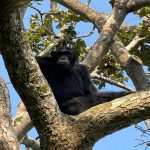
Throughout the habituation process, wildlife experts and rangers gradually introduced controlled human presence, allowing the gorillas to remain calm and continue their natural behaviors even when visitors are nearby. The Happy family offers visitors an exciting opportunity to observe a relatively new habituated group. Trekkers may witness playful juveniles climbing through the forest canopy. Mothers carefully caring for their infants, and the impressive silverback confidently leading and protecting his family. Because Buhoma is one of the easiest sectors to access, the addition of the Happy family also increases permit availability for visitors staying in this part of the park.
The Nsahjare Gorilla Family – Rushaga Sector
Located in the southern part of Bwindi, the Nsahjare Gorilla Family is the newest habituated group in the Rushaga sector. Rushaga already hosts the largest concentration of habituated gorilla families in the park, making it one of the best choices for travelers seeking flexibility when booking permits. The Nsahjare family is led by the dominant silverback Nsahjare, whose leadership has helped establish a stable and cohesive group. Like all habituated gorilla families, the group spent several years under close observation before being opened for tourism. During this time, rangers monitored the gorillas’ behavior daily, ensuring they could comfortably tolerate human presence while maintaining their natural routines.
The opening of the Nsahjare family reflects the continued growth of Uganda’s mountain gorilla population and demonstrates the success of long-term conservation initiatives. It also provides visitors with another opportunity to experience the rich biodiversity and spectacular landscapes. That make Rushaga one of the country’s premier gorilla trekking destinations.
How Many Gorilla Families Are in Bwindi?
Bwindi Impenetrable National Park is home to more than half of the world’s remaining mountain gorillas. And boasts the largest number of habituated gorilla families available for tourism anywhere on the planet. With the introduction of the Happy and Nsahjare families, the park now has 25 habituated gorilla families open for tourism, distributed across its four trekking sectors: Buhoma, Ruhija, Rushaga, and Nkuringo.
Each trekking sector offers a unique experience. Buhoma is famous for its rich history and accessibility, while Ruhija is known for its quieter trails and exceptional birdlife. Rushaga has the highest concentration of habituated gorilla families, making it ideal for visitors looking for greater permit availability, while Nkuringo rewards trekkers with dramatic scenery and challenging but rewarding hikes.
Although every gorilla family has its own social structure and personality. The trekking experience follows the same principle. A maximum of eight visitors is allowed to visit each habituated family per day. Helping to minimize stress on the gorillas while ensuring every trek remains personal and memorable.
This careful management has made Uganda one of the leading examples of wildlife conservation through sustainable tourism. Every gorilla permit purchased contributes directly to conservation programs, park management, veterinary care, research, and community development projects around Bwindi.
What’s the Cost of Gorilla Permits?
A gorilla trekking permit is required for every visitor wishing to see mountain gorillas in Bwindi Impenetrable National Park. The permit grants visitors the opportunity to join a guided trek and spend one unforgettable hour observing a habituated gorilla family in the wild.
As of 2026, gorilla trekking permit prices are:
- Foreign non-residents: USD 800 per person
- Foreign Residents: USD 700 per person
- East African Citizens: UGX 300,000 per person
The permit fee includes park entry for the trekking day, professional ranger guides, park security, and the one-hour gorilla encounter. While the cost may seem significant, it plays a vital role in protecting one of the world’s most endangered species. Revenue generated from permits supports anti-poaching patrols, habitat protection, gorilla health monitoring, research, and local communities living around the park.
Since only eight permits are issued for each gorilla family every day, availability is limited, especially during the peak travel months. It is advisable to book permits several months in advance. Particularly if you plan to visit between June and September or December and February.
When Is the Right Time to See Gorillas in Uganda?
One of the greatest advantages of gorilla trekking in Uganda is that it can be enjoyed throughout the year. Mountain gorillas remain within the rainforest regardless of the season, meaning successful sightings are possible every month. The dry seasons, from June to September and December to February, are generally considered the best times for gorilla trekking. During these months, rainfall is lower, forest trails are less slippery, and hiking conditions are more comfortable. Clearer skies also create better opportunities for photography.
However, the rainy seasons from March to May and October to November offer their own unique advantages. The forest becomes lush and vibrant, visitor numbers are lower, and permits may be easier to secure. Some trekkers even prefer this period because the gorillas occasionally remain at lower elevations where food is more abundant. Potentially reducing trekking distances. Ultimately, there is no bad time to visit Bwindi. Every season offers a different perspective of the rainforest, and every gorilla encounter is unique.
Seeing Mountain Gorillas of Bwindi
Few wildlife experiences compare to the moment you first encounter a family of mountain gorillas in the wild. After an early morning briefing at the park headquarters. Visitors are assigned to a gorilla family based on their fitness levels, permit allocation, and the location of the gorillas on that particular day. The trek itself is an adventure. Guided by experienced Uganda Wildlife Authority rangers and trackers. Visitors hike through dense rainforest, navigate narrow forest trails, cross streams, and climb steep hills while learning about the remarkable ecosystem that makes Bwindi one of Africa’s most biologically diverse forests.
Along the way, you may encounter black-and-white colobus monkeys, L’Hoest monkeys, colorful butterflies, rare bird species, and towering ancient trees covered in moss and vines. Every step through the forest builds anticipation for the unforgettable moment ahead.
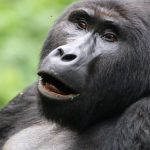
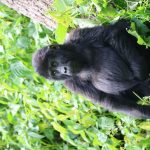
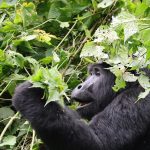
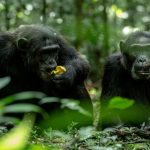
When the trackers finally locate the gorillas, conversations fade into whispers. The forest suddenly feels still as you watch a silverback resting peacefully, juveniles tumbling through the undergrowth. Curious infants clinging to their mothers, and family members calmly feeding on leaves and stems. For one magical hour, you become an observer in their world. You begin to notice the striking similarities between gorillas and humans their expressive eyes, gentle interactions, playful behavior, and close family bonds. It is an emotional experience that often leaves visitors with a deeper appreciation for wildlife conservation and the importance of protecting these endangered primates. The encounter may last only sixty minutes, but the memories stay with you for a lifetime.