Attractions in Kibale National Park. Tucked away in the lush landscapes of western Uganda. Kibale National Park is a place where nature unfolds in its purest form. Often celebrated as the Primate Capital of the World. The park is renowned for its remarkable concentration of primates, ancient rainforest, and extraordinary biodiversity. Covering approximately 795 square kilometres. Kibale is a thriving tropical ecosystem that connects visitors with one of Africa’s richest natural environments. While chimpanzee trekking is undoubtedly the park’s headline attraction, Kibale offers far more than encounters with our closest living relatives. Towering mahogany trees, colorful birds, tranquil wetlands, crater lakes, and vibrant local communities all contribute to an unforgettable travel experience. Whether you are a wildlife enthusiast, birdwatcher, photographer, or simply someone seeking a peaceful escape into nature, Kibale National Park promises adventures that are both exciting and deeply rewarding. Below are some of the attractions in Kibale National Park.
Attractions in Kibale National Park
Chimpanzee Trekking
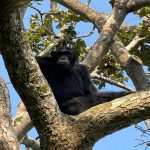
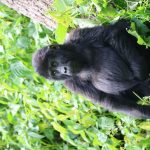
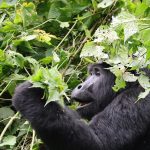
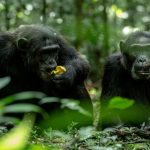
No visit to Kibale National Park is complete without experiencing its world-famous chimpanzee trekking. The park is home to over 1,500 chimpanzees, making it one of the best places on Earth to observe these intelligent primates in their natural habitat. The adventure begins early in the morning as experienced Uganda Wildlife Authority guides lead visitors through dense rainforest trails. The forest comes alive with birdsong, rustling leaves, and the distant calls of chimpanzees echoing through the canopy. Trekking times vary depending on where the chimpanzees have moved, adding an element of excitement and anticipation to every excursion.
Finding a chimpanzee community is a truly unforgettable moment. Visitors witness fascinating social behaviors as the animals groom one another, forage for fruits, swing effortlessly through the trees, and communicate using expressive vocalizations. Watching young chimpanzees play while dominant males patrol their territory offers a rare glimpse into the complex social lives of one of humanity’s closest relatives. Unlike a zoo or sanctuary, every encounter takes place in the wild, making each trek unique. The experience is not simply about seeing chimpanzees but about appreciating the intricate balance of life within one of Africa’s oldest rainforests.
Chimpanzee Habituation Experience
For travelers seeking a deeper connection with Kibale’s wildlife, the Chimpanzee Habituation Experience offers an extraordinary opportunity. Unlike the standard trek, which allows one hour with the chimpanzees, this immersive activity enables visitors to spend several hours alongside researchers and park rangers as they monitor chimpanzee families that are becoming accustomed to human presence. Participants observe how researchers document behavior, identify individual chimpanzees, and study feeding patterns, communication, and family dynamics. Spending extended time with these remarkable primates reveals aspects of their lives that short visits often cannot capture. The habituation experience is ideal for photographers, wildlife enthusiasts, and anyone interested in conservation and primate research.
Bigodi Wetland Sanctuary
Located just outside Kibale National Park, Bigodi Wetland Sanctuary is one of Uganda’s finest community conservation success stories. This beautiful wetland ecosystem complements the rainforest perfectly, offering visitors an entirely different wildlife experience. The sanctuary is famous for its impressive birdlife, with more than 200 recorded species inhabiting its swamps, forests, and grasslands. Birdwatchers regularly encounter the striking Great Blue Turaco, colorful kingfishers, hornbills, weavers, and numerous forest birds. Bigodi is equally rewarding for primate lovers. Red-tailed monkeys, black-and-white colobus monkeys, L’Hoest’s monkeys, and vervet monkeys are commonly seen moving through the surrounding vegetation. Walking through the wooden boardwalks and quiet trails provides opportunities to appreciate the wetland’s rich biodiversity while supporting a community-led conservation initiative that directly benefits local residents.
Incredible Primate Diversity
Chimpanzees may be the stars of Kibale, but they are only part of an astonishing primate population. The park protects thirteen different primate species, making it one of the highest concentrations anywhere in Africa. Visitors often encounter playful red-tailed monkeys leaping between branches, elegant black-and-white colobus monkeys feeding high in the canopy, and olive baboons foraging along forest paths. Grey-cheeked mangabeys, blue monkeys, and L’Hoest’s monkeys further enrich the park’s wildlife diversity. For many visitors, simply walking through the forest becomes an exciting wildlife experience as primates appear unexpectedly among the towering trees.
Ancient Tropical Rainforest
One of Kibale’s greatest attractions is the rainforest itself. Covering much of the park, this ancient forest has evolved over thousands of years into a thriving ecosystem filled with towering hardwood trees, climbing vines, lush undergrowth, and countless plant species. Walking beneath the dense canopy creates an atmosphere of calm and wonder. Sunlight filters gently through layers of leaves while butterflies drift across the trails and birds call from hidden branches. Many of the giant trees have stood for centuries, providing shelter and food for countless species of mammals, insects, reptiles, and birds. The forest is more than scenery it is the living heart of Kibale National Park.
Exceptional Birdwatching
Kibale National Park is a paradise for bird enthusiasts. More than 375 bird species have been recorded within its forests and surrounding wetlands, attracting birdwatchers from around the world. Among the most sought-after species are the African pitta, Green-breasted Pitta, Great Blue Turaco, African Grey Parrot, Narina Trogon, and several colorful sunbirds and hornbills. Early mornings offer the best opportunities for birdwatching as the forest awakens with songs and movement. Even visitors with little previous interest in birds often find themselves captivated by the remarkable variety of colors and sounds surrounding them. Whether exploring the rainforest or the nearby Bigodi Wetland Sanctuary, every walk presents opportunities to discover new species.
Nocturnal Forest Walks
Kibale reveals an entirely different personality after sunset. Guided nocturnal walks allow visitors to explore the forest under the cover of darkness, when many elusive creatures become active. Armed with flashlights, visitors search for bush babies leaping between branches, pottos moving slowly through the trees, civets, genets, bats, and a variety of nocturnal insects. The sounds of frogs, insects, and distant primates create a magical atmosphere unlike anything experienced during the day. These guided walks provide fascinating insight into the hidden world of the rainforest’s nighttime inhabitants.
Crater Lakes Around Kibale
The scenic crater lakes surrounding Kibale National Park add another dimension to the visitor experience. Formed by ancient volcanic activity thousands of years ago, these sparkling lakes are surrounded by rolling hills, farms, and lush vegetation. Their peaceful beauty offers an ideal contrast to the excitement of forest trekking. Visitors can enjoy leisurely walks, photography, birdwatching, or simply relax while admiring panoramic views across western Uganda’s stunning countryside. Several viewpoints provide breathtaking scenery, especially during sunrise and sunset when golden light reflects across the calm waters.
Rich Biodiversity Beyond Primates
Although primates dominate much of the attention, Kibale supports an extraordinary variety of other wildlife. The park is home to forest elephants, buffalo, bush pigs, giant forest hogs, duikers, bushbucks, and numerous small mammals. While larger animals are naturally more difficult to spot in the dense vegetation, their presence contributes to the forest’s ecological richness. Kibale also supports hundreds of butterfly species, reptiles, amphibians, insects, and thousands of plant species that together maintain one of East Africa’s healthiest tropical ecosystems. Every walk through the forest reveals new discoveries, making Kibale an exciting destination even for repeat visitors.
Cultural Experiences Around Kibale
The communities surrounding Kibale National Park offer visitors opportunities to experience Uganda’s rich cultural heritage alongside its natural attractions. Local guided tours introduce visitors to traditional farming practices, coffee cultivation, banana brewing, music, dance, storytelling, and local cuisine. Meeting community members provides valuable insight into how conservation and sustainable tourism support local livelihoods. Many visitors find these cultural encounters just as memorable as the wildlife experiences, adding a meaningful human connection to their journey through western Uganda.
Nature Walks and Forest Trails
Kibale’s network of guided nature trails allows visitors to appreciate the rainforest at a slower pace. These walks focus not only on wildlife but also on the fascinating ecology of the forest itself. Knowledgeable guides explain the medicinal uses of native plants, identify animal tracks, discuss forest regeneration, and point out hidden creatures that many visitors would otherwise overlook. Unlike fast-paced game drives in open savannah parks, walking through Kibale encourages a deeper appreciation of the rainforest’s delicate balance and extraordinary complexity.
Why Kibale National Park Is Worth Visiting
Kibale National Park stands apart because it offers much more than a single wildlife encounter. It is a destination where visitors experience one of Africa’s richest rainforests through multiple perspectives tracking chimpanzees, discovering rare birds, exploring peaceful wetlands, hiking beneath towering trees, meeting welcoming local communities, and witnessing incredible biodiversity at every turn.
Its remarkable combination of wildlife, landscapes, scientific importance, and conservation success makes Kibale one of Uganda’s most rewarding national parks. Whether you spend a day trekking through the forest or several days exploring everything the region has to offer. Kibale leaves visitors with a lasting appreciation for the beauty and complexity of Uganda’s natural heritage. For anyone planning a safari in the Pearl of Africa, Kibale National Park is not simply a destination it is an experience that captures the very essence of Uganda’s wild beauty.