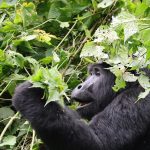
Chimpanzee Habituation in Uganda
Chimpanzee Habituation in Uganda. Uganda is widely celebrated as the Pearl of Africa. A country blessed with breathtaking landscapes, rich biodiversity, and unforgettable wildlife encounters. While mountain gorilla trekking often steals the spotlight. Chimpanzee habituation offers an equally remarkable adventure for travelers seeking a deeper connection with nature. Unlike a standard chimpanzee trekking experience. Chimpanzee habituation allows visitors to spend an extended period with wild chimpanzees as they gradually become accustomed to human presence. It is an immersive wildlife experience that provides extraordinary insights. Into the lives, behaviors, and social structures of our closest living relatives. For wildlife enthusiasts, photographers, researchers, and adventurous travelers. Chimpanzee habituation in Uganda delivers an authentic rainforest experience that goes beyond simply observing animals. It is an opportunity to witness science, conservation, and ecotourism working together to protect one of Africa’s most intelligent primates.
What is Chimpanzee Habituation?
Chimpanzee habituation is the gradual process through which wild chimpanzees become comfortable with the presence of humans without altering their natural behaviors. This process is carefully managed by wildlife researchers, conservationists, and experienced guides over several years. The goal is not to tame or domesticate the chimpanzees but to allow safe observation while minimizing stress on the animals. During a habituation experience, visitors accompany researchers and trackers as they locate a semi-habituated chimpanzee community. Unlike regular chimpanzee trekking, where tourists usually spend only one hour with a fully habituated group, habituation experiences allow visitors to spend up to four hours with the chimpanzees. This extended time creates opportunities to observe a wide range of natural behaviors that would otherwise be missed during shorter visits.
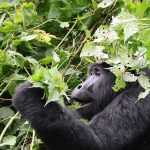
Every day in the forest is unique. Chimpanzees may spend their time feeding on fruits, grooming one another, building nests, communicating through loud vocalizations, playing with juveniles, or moving swiftly through the forest canopy. Watching these behaviors unfold in their natural habitat creates memories that last a lifetime.
Why Choose Chimpanzee Habituation Instead of Regular Trekking?
Chimpanzee habituation provides a richer and more immersive wildlife experience than standard chimpanzee trekking. Spending several hours with the chimpanzees allows visitors to develop a better understanding of their complex social lives and daily routines. Instead of rushing through a brief encounter. Participants become part of the researchers’ daily activities, learning how scientists identify individual chimpanzees, monitor their health, document behaviors, and contribute to long-term conservation efforts.
The experience is especially rewarding for wildlife photographers. Who have more time to capture different lighting conditions, natural interactions, and expressive moments. Birdwatchers and nature lovers also benefit from the extended stay in Uganda’s lush tropical forests. Where countless bird species, butterflies, monkeys, and unique plant life can be observed. For travelers seeking meaningful and educational adventures rather than quick sightseeing, chimpanzee habituation offers an unmatched level of engagement with Uganda’s incredible wildlife.
Where Can You Experience Chimpanzee Habituation in Uganda?
Uganda offers several destinations for chimpanzee encounters. But chimpanzee habituation is primarily conducted in Kibale National Park, one of Africa’s premier primate destinations. Located in western Uganda. Kibale National Park is home to over 1,500 chimpanzees along with 12 other primate species, making it one of the most biodiverse forests on the continent.
The park’s dense tropical rainforest provides ideal habitat for chimpanzees. While its extensive trail network allows experienced guides to locate different chimpanzee communities. Kibale also supports an incredible diversity of wildlife. Including red-tailed monkeys, black-and-white colobus monkeys, olive baboons, forest elephants, bush pigs, and hundreds of bird species. Many visitors combine chimpanzee habituation with a visit to the nearby Bigodi Wetland Sanctuary. Where guided nature walks offer opportunities to spot additional primates, colorful birds, butterflies, and unique wetland ecosystems.
What Happens During the Chimpanzee Habituation Experience?
The adventure begins early in the morning before sunrise, when participants meet experienced guides and wildlife researchers for a briefing about safety procedures and forest etiquette. Since chimpanzees are already active at dawn, starting early increases the chances of observing their morning routines.
The trek into the rainforest can vary in length depending on the location of the chimpanzees. Some days they may be located within an hour, while on other occasions trackers may follow fresh calls, footprints, feeding remains, or nests before finally locating the community.
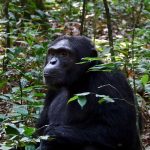
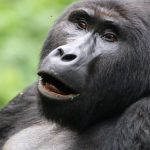
Once the chimpanzees are found, visitors quietly observe their activities while maintaining a respectful distance. Throughout the experience, guides explain chimpanzee behavior, communication, family relationships, and conservation challenges. Guests may witness dominant males displaying their strength, mothers caring for infants, playful juveniles chasing one another, or adults carefully grooming companions to strengthen social bonds. The extended observation period allows visitors to appreciate how remarkably similar chimpanzees are to humans. Their facial expressions, emotions, problem-solving abilities, and social interactions often leave a lasting impression.
The Best Time for Chimpanzee Habituation in Uganda
Chimpanzee habituation is available throughout the year, although the dry seasons generally provide the most comfortable trekking conditions. The months from June to September and December to February typically offer drier trails, making hiking easier and photography more enjoyable.
During the wetter months, the forest becomes lush and vibrant, creating beautiful scenery and excellent opportunities for birdwatching. Although trails can be muddy, chimpanzees remain active year-round, and experienced guides continue to conduct successful habituation experiences regardless of the season. Travelers planning a safari that includes gorilla trekking, wildlife viewing, or birdwatching. Often choose their travel dates based on the overall itinerary rather than the habituation experience alone.
Conservation Benefits of Chimpanzee Habituation
Chimpanzee habituation plays a significant role in wildlife conservation. Tourism revenue generated through permits helps fund protected area management, anti-poaching patrols, scientific research, community development, and environmental education programs.
Local communities also benefit economically through employment opportunities as guides, trackers, lodge staff, drivers, porters, and artisans. As tourism creates sustainable livelihoods, nearby communities gain greater incentives to protect forests and wildlife rather than exploit natural resources.
Researchers involved in habituation collect valuable scientific data that improves understanding of chimpanzee health, behavior, reproduction, and habitat requirements. This information supports conservation strategies that help ensure the long-term survival of Uganda’s chimpanzee populations.
Essential Tips for a Successful Experience
Preparing well can greatly enhance your experience. Wear lightweight long-sleeved clothing to protect against insects and thorny vegetation, along with sturdy waterproof hiking boots for navigating forest trails. Carry sufficient drinking water, snacks, insect repellent, sunscreen, gardening gloves for gripping vegetation, and a waterproof backpack to protect your belongings.
A camera with a zoom lens is ideal for capturing wildlife without disturbing the chimpanzees. Flash photography should never be used, as it can startle the animals.
Visitors should always follow the instructions of their guides, maintain the recommended viewing distance, avoid making loud noises, and never feed or touch the chimpanzees. Anyone showing symptoms of contagious illness should postpone their visit to protect the chimpanzees, which are highly susceptible to many human diseases.
Who Can Participate?
Chimpanzee habituation is suitable for travelers with a reasonable level of physical fitness. The experience involves walking through tropical forests over uneven terrain, climbing gentle hills, crossing streams, and navigating dense vegetation. Trekking durations vary depending on chimpanzee movements, making flexibility and patience important parts of the adventure. Participants are generally required to be at least 15 years old. Following age restrictions helps protect both visitors and the chimpanzees while ensuring a safe and responsible wildlife experience.
Combining Chimpanzee Habituation with Other Uganda Safaris
Chimpanzee habituation fits perfectly into a broader Ugandan safari itinerary. Many travelers combine it with mountain gorilla trekking in Bwindi Impenetrable National Park, wildlife viewing in Queen Elizabeth National Park, game drives in Murchison Falls National Park, or scenic adventures in Rwenzori Mountains National Park.
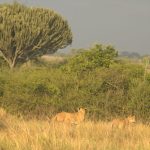
This combination allows visitors to experience Uganda’s extraordinary diversity, from tropical rainforests and savannah grasslands to wetlands, crater lakes, and mountain landscapes. Along the way, travelers encounter elephants, lions, leopards, buffaloes, hippos, giraffes, countless bird species, and an incredible variety of primates.
Chimpanzee habituation in Uganda is far more than a wildlife excursion. It is an intimate journey into one of Africa’s most fascinating ecosystems. Spending hours alongside wild chimpanzees as they go about their daily lives offers a profound appreciation for their intelligence, emotional depth, and close evolutionary relationship with humans.
Whether you are a wildlife photographer searching for the perfect shot, a conservation enthusiast eager to learn from researchers, or a traveler looking for an unforgettable rainforest adventure. Chimpanzee habituation provides one of Uganda’s most rewarding experiences. Every call echoing through the forest, every playful interaction between young chimpanzees, and every quiet moment of observation serves as a reminder of the importance of protecting these remarkable primates and the forests they call home.
If you’re planning a safari in Uganda, make chimpanzee habituation part of your itinerary. It is an experience that not only creates lifelong memories. But also contributes directly to the conservation of one of the world’s most extraordinary wildlife species.