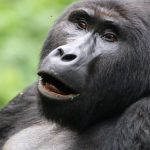
How Are Mountain Gorillas Protected in Uganda and Rwanda? Mountain gorillas are protected in Uganda and Rwanda through a combination of strict conservation laws. Anti-poaching patrols, regulated tourism, veterinary care, community involvement, and international conservation partnerships that have helped increase their population over the past few decades. Mountain gorillas are among the world’s most remarkable wildlife species. And one of Africa’s greatest conservation success stories. Found only in the high-altitude forests of Uganda, Rwanda, and the Democratic Republic of Congo. These gentle giants were once on the brink of extinction due to habitat loss, poaching, disease, and civil unrest.
Today, thanks to coordinated conservation efforts involving governments, local communities, conservation organizations, researchers, and responsible tourism. The mountain gorilla population has steadily recovered. Uganda and Rwanda have become global models for wildlife conservation by demonstrating that protecting endangered species can also create economic opportunities for surrounding communities. Understanding how mountain gorillas are protected offers valuable insight into the importance of sustainable tourism. And the collective efforts required to preserve one of the world’s rarest primates.
How Are Mountain Gorillas Protected in Uganda and Rwanda?
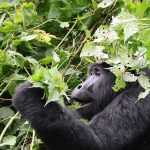
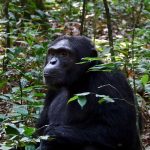
Uganda and Rwanda have set rules to protect mountain gorillas. Currently, mountain gorillas roam in Volcanoes National Park of Rwanda, Bwindi Impenetrable Forest National Park, and Mgahinga Gorilla National Park of Uganda. These rare creatures deserve protection. To achieve this, Uganda and Rwanda have joined different conservation organizations and implemented measures to ensure that gorillas remain protected for future generations.
Gazetted gorilla homes
The governments of Uganda and Rwanda declared all areas where gorillas live as national parks to protect them. In Rwanda, Volcanoes National Park serves as the gazetted natural habitat for these gentle giants, while in Uganda, Bwindi Impenetrable Forest and Mgahinga Gorilla National Parks serve the same purpose. As a result of this gazettement, authorities control activities such as deforestation, hunting, and other practices that could negatively affect the survival of mountain gorillas.
Accordingly, thanks to Uganda Wildlife Authority and Rwanda Development Board. These two bodies work hard to protect gorillas, their habitats, and the entire ecosystem.
Strict Gorilla Trekking Regulations Reduce Human Impact
Responsible tourism plays a vital role in mountain gorilla conservation. Both Uganda and Rwanda have established strict guidelines that regulate gorilla trekking to minimize stress and reduce the risk of disease transmission. Only a limited number of permits are issued each day, ensuring that gorilla families are not overwhelmed by visitors. Each gorilla group is visited by a small number of tourists. Accompanied by experienced ranger guides who enforce conservation rules throughout the trek.
Therefor visitors spend only one hour with the gorillas once they locate them. During this time, they must maintain a safe viewing distance, avoid touching the animals, speak quietly, and refrain from using flash photography. Anyone showing signs of contagious illness is discouraged from participating in gorilla trekking to protect the health of the gorillas. These carefully enforced regulations allow tourists to enjoy unforgettable wildlife encounters while minimizing disturbance to the animals.
Intervention of international conservation organisations
The fact that the gorilla habitats including Mgahinga Gorilla, Bwindi Impenetrable and Volcanoes national Park are UNESCO World Heritage site. However, conservation becomes a role to the entire world. Organisation like UNESCO, IUCN, Dian Fossey Gorilla Fund have joined hands with Uganda Wildlife Authority and the Rwanda Development Fund. They ensure that they get enough funds and that rangers are well trained as a way of supporting gorilla conservation in Uganda and Rwanda.
Anti poaching rules in National Parks
Additionally, Uganda and Rwanda have put in place anti-poaching rules followed by daily monitoring of the national parks to ensure gorilla conservation and protection. Well trained and professional rangers are employed to patrol and ensure that these gentle giants are protected. These rangers have information about all the available gorilla families in these parks. How many members in each family hence making it easy top protect them.
Furthermore, a designated group of rangers visits each gorilla family daily as part of a routine in Uganda and Rwanda. They record the health status, new births, deaths, social behavior, and movements of the gorillas. This system helps them identify any problems early and solve them immediately.
Veterinary care and health interventions
Uganda and Rwanda have joined hands with different conservation bodies and have dedicated veterinary doctors to take care of all health issues of gorillas. In addition, mountain gorilla veterinary projects train the Gorilla Doctors to ensure they treat every individual gorilla whenever necessary. They also monitor all habituated gorilla families regularly to detect injuries, illnesses, or other health concerns early. And this has led to increase in the number of mountain gorillas in Uganda and Rwanda.
Community Involvement Strengthens Conservation
One of the greatest reasons for the success of mountain gorilla conservation is the active involvement of local communities living near protected areas. Conservation programs recognize that people who benefit from wildlife are more likely to support its protection. Both Uganda and Rwanda share a portion of tourism revenue with neighbouring communities through revenue-sharing programs. These funds help build schools, health centers, clean water systems, roads, and other community development projects.
Employment opportunities created by gorilla tourism also contribute significantly to conservation. Many local residents work as park rangers, guides, porters, lodge staff, drivers, artisans, and cultural performers. This creates sustainable livelihoods while reducing dependence on activities that could damage gorilla habitats. Community education programs further raise awareness about wildlife conservation, encouraging future generations to protect their natural heritage.
The Future of Mountain Gorilla Conservation
The future of mountain gorillas depends on continued cooperation between governments, conservation organizations, local communities, researchers, and responsible travelers. Uganda and Rwanda have demonstrated that conservation succeeds by combining wildlife protection with sustainable tourism, scientific research, and meaningful community participation. As tourism continues to support conservation funding and local livelihoods. Mountain gorillas stand a greater chance of thriving for generations to come. In fact every visitor who chooses to trek gorillas responsibly contributes to this ongoing conservation success story.
Inconclusion, be part of the gorilla conservation success stories by booking a gorilla safari to Uganda or Rwanda through Vibrant Holiday Safaris a trusted tour operator. Vibrant Holiday Safaris is licensed and registered by the Uganda Tourism Board and the Uganda Wildlife Authority. In addition, we operate a 24/7 support team to ensure smooth and hassle-free booking for all our clients.