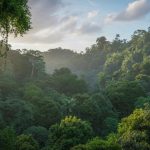
Queen Elizabeth National Park Safari Guide (2026 -2027). Queen Elizabeth National Park is Uganda’s most popular safari destination and one of East Africa’s most diverse wildlife parks. Covering nearly 2,000 square kilometers in western Uganda. The park is celebrated for its remarkable landscapes, abundant wildlife, scenic waterways, and unforgettable safari experiences. From vast savannah plains and lush forests to volcanic crater lakes and the famous Kazinga Channel. The park offers an incredible variety of attractions that appeal to nature lovers, photographers, birdwatchers, and adventure seekers alike.
Established in 1952 and later renamed in honor of Queen Elizabeth II following her visit to Uganda in 1954. The park has grown into one of Africa’s premier conservation areas. It is home to more than 95 mammal species and over 600 bird species, making it one of the most biodiverse protected areas on the continent. Whether you’re planning your first safari or adding another destination to your East African adventure. Queen Elizabeth National Park promises memorable wildlife encounters throughout the year.
Queen Elizabeth National Park Safari Guide (2026 -2027)
Where is Queen Elizabeth National Park?
Queen Elizabeth National Park is located in western Uganda. Approximately 400 kilometers from Kampala, the country’s capital. The park stretches across the districts of Kasese, Rubirizi, Rukungiri, and Kamwenge. Occupying a strategic position between Lake George and Lake Edward. It also borders the Democratic Republic of Congo, with the majestic Rwenzori Mountains providing a spectacular backdrop to the park’s northern boundary.
Its central location makes it an ideal stop on many Uganda safari itineraries. Visitors can easily combine a safari here with chimpanzee tracking in Kibale National Park. Gorilla trekking in Bwindi Impenetrable National Park, or a visit to Lake Mburo National Park. This makes Queen Elizabeth National Park one of the most accessible and versatile destinations for travelers looking to experience Uganda’s diverse wildlife and landscapes.
Why is Queen Elizabeth National Park So Famous?
Queen Elizabeth National Park has earned international recognition because it offers a wide range of safari experiences within a single destination. Unlike many parks that focus primarily on game drives, Queen Elizabeth combines classic wildlife viewing with boat cruises, primate tracking, birdwatching, crater lake exploration, and cultural experiences.
One of its biggest attractions is the rare population of tree-climbing lions found in the Ishasha Sector. These lions have developed the unusual habit of resting high in the branches of giant fig trees, creating one of the most photographed wildlife spectacles in Africa. The park is also famous for the Kazinga Channel, a natural waterway that attracts large concentrations of hippos, elephants, buffaloes, crocodiles, and countless bird species. The diversity of ecosystems within the park including open grasslands, wetlands, forests, lakes, and volcanic craters supports an extraordinary variety of wildlife. This means visitors can enjoy different safari experiences without traveling long distances between attractions.
What Animals Can You See?
Wildlife viewing is undoubtedly the highlight of any visit to Queen Elizabeth National Park. The park is home to four members of Africa’s famous Big Five: lions, leopards, elephants, and buffaloes. Although rhinos are not found within the park, many travelers visit Ziwa Rhino Sanctuary before or after their safari to complete the Big Five experience.
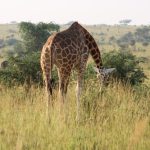
Morning game drives often reveal herds of Uganda kob grazing across the Kasenyi Plains, while elephants and buffaloes roam freely through the savannah. Warthogs are a common sight along the roads, and waterbucks can frequently be seen near wetlands. Lucky visitors may also spot elusive leopards resting in trees or moving through the grasslands during the early hours of the day.
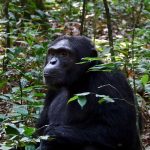
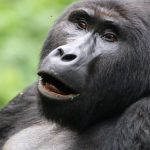
The park is equally rich in primates. Chimpanzees inhabit Kyambura Gorge, while olive baboons, vervet monkeys, black-and-white colobus monkeys, and red-tailed monkeys are commonly seen throughout different sections of the park. Along the Kazinga Channel, enormous pods of hippos spend their days submerged in the water as Nile crocodiles bask along the shoreline.
The Famous Tree-Climbing Lions of Ishasha
One of the most searched questions about Queen Elizabeth National Park is whether visitors can really see lions climbing trees. The answer is yes. The Ishasha Sector, located in the southern part of the park, is one of the few places in the world where this unusual behavior is regularly observed.
Researchers believe these lions climb large fig trees to escape the intense daytime heat, avoid biting insects, and gain a better view of their surroundings. While wildlife sightings can never be guaranteed. Visitors who spend time exploring the Ishasha plains have a good chance of seeing these magnificent predators resting comfortably on thick tree branches. The tree-climbing lions have become one of Uganda’s most iconic wildlife attractions. A major reason why photographers and safari enthusiasts choose to visit Queen Elizabeth National Park.
Best Time to Visit Queen Elizabeth National Park
Queen Elizabeth National Park can be visited throughout the year. But the experience varies slightly depending on the season. The dry seasons, which usually occur from June to August and December to February, are considered the best times for wildlife viewing. During these months, vegetation is thinner, roads are easier to navigate. Animals tend to gather around permanent water sources, making them easier to spot.
The rainy seasons, from March to May and September to November, transform the park into a lush green paradise. Although occasional showers can make some roads muddy, the scenery becomes exceptionally beautiful, and birdwatching reaches its peak as migratory species arrive. Accommodation rates may also be lower during these quieter months, making it an attractive option for budget-conscious travelers. Regardless of when you visit, early morning and late afternoon remain the best times for game viewing, as wildlife is generally more active during the cooler parts of the day.
Top Safari Activities Queen Elizabeth National Park Safari Guide (2026 -2027)
A safari in Queen Elizabeth National Park offers much more than traditional game drives. One of the park’s most popular experiences is the Kazinga Channel boat cruise, which gives visitors a unique perspective of wildlife along the water’s edge. The two-hour cruise passes large pods of hippos, basking crocodiles, elephants drinking at the shoreline, buffaloes grazing nearby, and an incredible variety of water birds. It is widely regarded as one of the best boat safaris in Africa.
Game drives through the Kasenyi Plains provide excellent opportunities to spot lions, elephants, buffaloes, antelopes, and occasionally leopards. The open landscape makes wildlife easier to observe, especially during the early morning hours when predators are still active.
For those interested in primates, chimpanzee tracking in Kyambura Gorge offers a completely different safari experience. The dramatic forested gorge, often called the “Valley of Apes,” provides a beautiful setting for guided walks in search of habituated chimpanzees. Although sightings depend on the movement of the animals, the trek itself is a rewarding adventure through one of the park’s most unique ecosystems.
Birdwatching is another major attraction. With over 600 recorded bird species, Queen Elizabeth National Park is considered one of the best birding destinations in Africa. From African fish eagles and saddle-billed storks to kingfishers, pelicans, hornbills, and flamingos that occasionally visit nearby crater lakes, the park offers exceptional opportunities for both amateur and experienced birders.
How Many Days Do You Need?
The ideal length of stay in Queen Elizabeth National Park depends on the experiences you want to include. While it is possible to visit the park on a two-day safari, most travelers find that three days provide the perfect balance of wildlife viewing and relaxation. A three-day itinerary allows enough time for multiple game drives, a Kazinga Channel boat cruise, and a visit to the Ishasha Sector in search of the famous tree-climbing lions.
If you have four or five days, you can enjoy a much more immersive safari by adding chimpanzee tracking in Kyambura Gorge. Birdwatching excursions, guided nature walks, crater lake tours, and cultural visits to nearby communities. Spending extra time also increases your chances of seeing elusive wildlife such as leopards and allows you to explore different sections of the park at a comfortable pace.
How to Get to Queen Elizabeth National Park
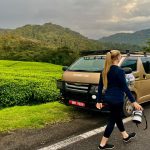
Reaching Queen Elizabeth National Park is relatively easy, whether you prefer traveling by road or by air. Most visitors drive from Kampala or Entebbe, a journey that takes between six and seven hours depending on traffic and your chosen route. The drive passes through scenic countryside, tea plantations, rolling hills, and small towns. Making the road trip an enjoyable part of the safari experience.
Many travelers use the Kampala–Mbarara–Bushenyi route. While others arrive via Fort Portal after visiting Kibale National Park for chimpanzee trekking. The park is also well connected to other major safari destinations. Making it easy to include in a longer Uganda safari circuit. For those looking to save time, scheduled domestic flights operate from Entebbe International Airport to Kasese or Mweya airstrips, significantly reducing travel time. Most safari lodges provide transfers from the airstrip to the accommodation.
Park Entry Fees
Visitors to Queen Elizabeth National Park are required to pay an entrance fee before accessing the park. Uganda Wildlife Authority reviews these fees periodically, so it is advisable to confirm the latest rates before traveling. Currently, foreign non-residents pay approximately USD 40 per adult, while foreign residents pay around USD 35. East African citizens benefit from subsidized rates charged in Ugandan shillings.
Some activities, including chimpanzee tracking, lion tracking, guided nature walks, and the Kazinga Channel boat cruise, require separate permits or activity fees. Booking through a licensed tour operator often simplifies the payment process, especially for visitors planning multiple activities.
Where to Stay
Queen Elizabeth National Park Safari Guide (2026 -2027). Queen Elizabeth National Park offers accommodation for every budget, ranging from luxury safari lodges to comfortable mid-range camps and affordable guesthouses. Many lodges are strategically located to provide spectacular views of the Kazinga Channel, crater lakes, or the surrounding savannah.
Luxury travelers can enjoy elegant lodges that feature spacious cottages, fine dining, swimming pools, and panoramic views of the park. These properties often organize private game drives and personalized safari experiences.
Mid-range lodges are popular among couples, families, and small groups looking for excellent comfort without the premium price tag. Many provide spacious rooms, quality meals, and easy access to the park’s major attractions.
Budget travelers also have several options. Including safari camps, cottages, and community-run accommodations that offer clean facilities and warm Ugandan hospitality. Camping is available at designated sites for visitors seeking a closer connection with nature. Regardless of your budget, it is recommended to book accommodation well in advance during the peak safari seasons between June and August and from December to February.
Is Queen Elizabeth National Park Safe?
Queen Elizabeth National Park is considered one of Uganda’s safest and best-managed national parks. Thousands of visitors from around the world explore the park every year without incident. Uganda Wildlife Authority rangers regularly patrol the park, and guided activities are conducted by experienced professionals who prioritize visitor safety.
As with any wildlife destination, visitors should follow all instructions provided by guides and park rangers. Leaving your vehicle during a game drive is only permitted in designated areas, and maintaining a safe distance from wild animals is essential. Feeding wildlife, making excessive noise, or attempting to approach animals for photographs should always be avoided. Choosing a reputable safari operator like Vibrant Holiday Safaris. And following established park regulations will help ensure a safe and enjoyable experience.
What Should You Pack?
Packing appropriately will make your safari much more comfortable. Lightweight clothing in neutral colors such as khaki, green, or brown is ideal. Because it blends with the natural environment and attracts fewer insects. Early morning game drives can be surprisingly cool, so carrying a light jacket or fleece is recommended.
Comfortable walking shoes are useful for nature walks and lodge activities. While a wide-brimmed hat, sunglasses, and sunscreen provide protection from the strong equatorial sun. Binoculars are highly recommended for birdwatching and distant wildlife sightings. A camera with a good zoom lens will help you capture memorable moments.
Other useful items include insect repellent, a reusable water bottle, a rain jacket for unexpected showers, a power bank, extra camera batteries, and any personal medications you may require during your trip.
Can You Combine Queen Elizabeth National Park with Gorilla Trekking?
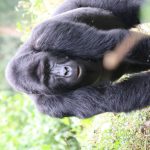
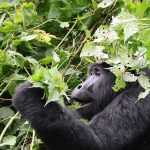
One of the greatest advantages of visiting Queen Elizabeth National Park is its proximity to other world-famous wildlife destinations. Many travelers combine a safari in Queen Elizabeth with gorilla trekking in Bwindi Impenetrable National Park. Creating one of Uganda’s most iconic safari itineraries. A popular route begins with game drives and a Kazinga Channel boat cruise before continuing south to the Ishasha Sector. Where visitors search for tree-climbing lions. From there, the journey continues to Bwindi for an unforgettable gorilla trekking experience. Those with additional time often include Kibale National Park for chimpanzee tracking or Lake Mburo National Park for walking safaris and horseback riding. Combining these destinations allows visitors to experience Uganda’s extraordinary diversity of wildlife, landscapes, and ecosystems within a single trip.
Frequently Asked Questions
One of the most common questions travelers ask is whether Queen Elizabeth National Park is worth visiting. The answer is a resounding yes. The park offers one of the richest safari experiences in East Africa. Combining exceptional wildlife viewing with beautiful scenery, boat cruises, birdwatching, and unique attractions like the tree-climbing lions.
Another frequently asked question is whether visitors can see the Big Five. While the park is home to lions, elephants, buffaloes, and leopards, rhinos are not found here. Travelers wishing to complete the Big Five usually visit Ziwa Rhino Sanctuary before or after their safari.
Many visitors also ask if the tree-climbing lions are guaranteed. As with all wildlife, sightings can never be guaranteed because the animals roam freely. However, the Ishasha Sector remains one of the best places in Africa to observe this remarkable behavior.
Self-drive safaris are allowed within the park, but first-time visitors often benefit from hiring an experienced guide or joining a guided game drive. Local guides know where wildlife has recently been sighted and can greatly enhance the overall safari experience.