15 Annoying Things About Gorilla Trekking. Gorilla trekking is one of Africa’s most extraordinary wildlife experiences. Standing just a few meters away from a family of endangered mountain gorillas in their natural habitat is something few adventures can match. Every year, thousands of travelers visit Uganda Bwindi Impenetrable Forest National Park, Rwanda, and the Democratic Republic of the Congo for this once-in-a-lifetime encounter.
However, while the experience is unforgettable, it’s important to know that gorilla trekking isn’t always as glamorous as social media makes it seem. Behind those stunning photos lies a challenging adventure that can test your patience, fitness, and expectations. From muddy trails and unpredictable weather to expensive permits and strict park regulations, there are several aspects of gorilla trekking that many first-time visitors don’t anticipate.
The good news? Most of these challenges are a small price to pay for the privilege of seeing one of the world’s rarest primates in the wild. Knowing what to expect beforehand can help you prepare better and enjoy the journey.
15 Annoying Things About Gorilla Trekking
Gorilla Trekking Permits Are Expensive
The biggest complaint among travelers is the cost of gorilla trekking permits. The permit alone often represents the largest portion of a safari budget. Although the price may seem high, the revenue plays a vital role in gorilla conservation, anti-poaching efforts, park management, ranger salaries, and community development projects that support wildlife protection.
The Hike Can Be More Difficult Than Expected
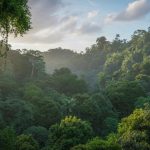
Many visitors underestimate the physical demands of gorilla trekking. Depending on where the gorilla family is located, your trek could last anywhere from one hour to more than six hours. The terrain often includes steep hills, slippery paths, dense vegetation, and uneven ground. Good hiking boots and a reasonable level of fitness make a huge difference.
Mud Is Everywhere
If you’re trekking during the rainy season, prepare to get muddy. Trails quickly become slippery, and it’s almost impossible to avoid muddy boots and clothing. Even in the dry season, certain sections of the forest remain wet due to the dense canopy. Waterproof boots and gaiters can make the experience much more comfortable.
The Weather Changes Constantly
Mountain forests have unpredictable weather. A sunny morning can quickly turn into heavy rain, followed by cool mist and bright sunshine again. Packing layers and a lightweight waterproof jacket is essential.
Insects Can Be Irritating
The rainforest is home to mosquitoes, ants, flies, and other insects. While most are harmless, constant buzzing and occasional bites can become annoying, especially if you forget insect repellent. Long sleeves and long trousers offer extra protection.
You Only Get One Hour with the Gorillas
After hiking for several hours, many visitors are surprised to learn they can spend only one hour with the gorillas. The time limit exists to reduce stress on the animals and minimize the risk of disease transmission. Although an hour feels short, most trekkers agree it’s one of the most memorable hours of their lives.
There Are Strict Rules to Follow
During the visit, you’ll need to follow several gorilla trekking rules and regulations. These include maintaining a safe distance, avoiding loud noises, not using flash photography, and following the guide’s instructions at all times. While the rules may feel restrictive, they protect both visitors and the gorillas.
There’s No Guarantee Where the Gorillas Will Be
Mountain gorillas roam freely through the forest every day. Although trackers locate them before visitors arrive, they may still move significant distances, resulting in a longer and more challenging trek than expected. Wildlife doesn’t follow schedules, and that’s part of what makes the experience authentic.
You May Get Wet Even Without Rain
Morning dew covering tall grasses and dense vegetation can soak your trousers and boots within minutes. By the time you reach the gorillas, you may already be damp from brushing against wet leaves. Quick-drying clothing is highly recommended.
Photography Isn’t Always Easy
Taking great photos of gorillas can be surprisingly difficult. Low light, moving animals, thick vegetation, and limited space often make photography challenging. Sometimes you’ll have only a few seconds before a gorilla changes position. Patience and the right camera settings can help you capture memorable images.
Porters Cost Extra
Hiring a porter is optional, but many first-time trekkers don’t realize it’s an additional expense. Porters carry backpacks, assist on steep trails, and provide valuable support during difficult sections of the hike. Many visitors find the service well worth the cost, and hiring a porter also supports local livelihoods.
Early Morning Starts
Most gorilla trekking adventures begin before sunrise. Visitors usually leave their accommodation early to reach the park headquarters for registration and a pre-trek briefing. If you’re not a morning person, the early wake-up call may be one of the day’s biggest challenges.
Forest Trails Can Be Rough
Don’t expect well-paved walking paths. Many sections require climbing over fallen trees, ducking under branches, crossing streams, or pushing through thick vegetation. Gloves can help protect your hands from thorns and rough plants.
Altitude Can Affect Some Visitors
Many gorilla trekking destinations are located at elevations above 2,000 meters (6,500 feet). Some travelers experience shortness of breath or fatigue, especially if they aren’t used to hiking at higher altitudes. Walking at a steady pace and staying hydrated can help.
It Ends Too Soon
Perhaps the biggest disappointment is how quickly the experience passes. After anticipating the trek for months and hiking through the forest, your hour with the gorillas seems to disappear in an instant. Many visitors leave wishing they could stay longer. Ironically, this is also a sign of how captivating the encounter truly is.
Are These Challenges Worth It?
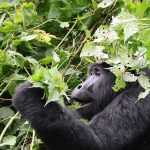
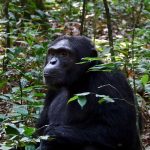
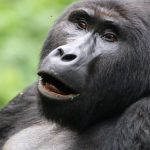
For almost everyone who has experienced gorilla trekking, the answer is yes. The muddy trails, early mornings, unpredictable weather, and physical effort quickly fade from memory once you find yourself standing face-to-face with a family of wild mountain gorillas. Watching them feed, groom one another, play, or simply observe you with quiet curiosity is an experience few wildlife encounters can rival. Many travelers describe gorilla trekking as the highlight of their African adventure not because it’s easy, but because it feels earned. The journey through the forest adds to the sense of achievement and makes the encounter even more meaningful.
Final Thoughts
Gorilla trekking isn’t a luxury walk through the forest it’s a real adventure. It demands patience, flexibility, and a willingness to embrace the unexpected. From expensive permits to muddy trails and unpredictable weather, there are certainly aspects that can be frustrating. Yet these same challenges help preserve the authenticity of the experience and protect one of the world’s most endangered species.
If you arrive prepared, with realistic expectations and the right gear, the so-called “annoying” parts become just another chapter in an unforgettable story. Long after your boots have dried and the mud has washed away, the memory of looking into the eyes of a wild mountain gorilla is likely to stay with you for a lifetime.