Uganda’s Most Iconic National Parks. Few destinations in Africa offer the diversity, authenticity, and breathtaking beauty that Uganda does. Nestled at the heart of East Africa, Uganda is home to ten spectacular national parks, each offering a completely different experience from tracking endangered mountain gorillas through ancient rainforests to watching tree-climbing lions lounging in giant fig trees and witnessing one of the world’s most powerful waterfalls.
Unlike many safari destinations that focus solely on wildlife, Uganda combines dramatic landscapes, rich cultural heritage, thrilling adventure, and extraordinary biodiversity into one unforgettable experience. It is one of the few countries on Earth where visitors can see the famous Big Five, trek mountain gorillas and chimpanzees, cruise along wildlife-filled rivers, hike snow-capped mountains, and explore tropical rainforests all within a relatively compact area. Whether you are an avid wildlife enthusiast, an adventurous traveler, a photographer, or simply someone looking to reconnect with nature, Uganda’s national parks promise experiences that remain etched in memory long after the journey ends.
Uganda’s Most Iconic National Parks
Bwindi Impenetrable National Park
There is no destination in Uganda more iconic than Bwindi Impenetrable National Park. Hidden beneath thick tropical rainforest in southwestern Uganda, this UNESCO World Heritage Site protects one of Africa’s oldest forests, estimated to be over 25,000 years old. The forest is incredibly dense, with towering trees, tangled vines, moss-covered trails, and an atmosphere that feels almost prehistoric.
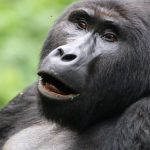
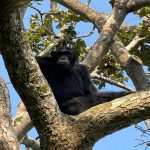
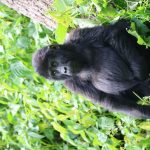
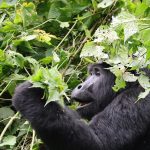
Bwindi is globally celebrated because it is home to nearly half of the world’s remaining mountain gorillas. Gorilla trekking here is widely regarded as one of the greatest wildlife experiences on Earth. Visitors hike through challenging forest terrain under the guidance of experienced rangers before finally encountering a gorilla family in their natural habitat. Standing just a few meters away from a massive silverback while watching young gorillas play among the vegetation is an emotional and humbling encounter unlike any other. Beyond gorillas, Bwindi boasts extraordinary biodiversity. The forest shelters more than 120 mammal species, over 350 bird species, hundreds of butterfly species, and countless unique plants. Birdwatchers especially treasure Bwindi for its numerous Albertine Rift endemics.
The surrounding communities enrich every visit through cultural experiences with the Batwa people, the forest’s original inhabitants, whose traditional knowledge offers fascinating insights into life within this ancient ecosystem. For many travelers, Bwindi is not simply another park it becomes the highlight of an entire African journey.
Queen Elizabeth National Park
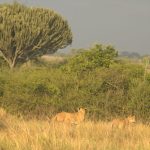
Stretching across volcanic craters, rolling savannahs, wetlands, lakes, and lush forests. Queen Elizabeth National Park is Uganda’s most visited and perhaps its most diverse protected area. Located in western Uganda beneath the majestic Rwenzori Mountains, the park encompasses an astonishing variety of ecosystems that support over 95 mammal species and more than 600 bird species, making it one of Africa’s richest biodiversity hotspots. One of its most famous attractions is the rare population of tree-climbing lions found in the Ishasha sector. Unlike most lions that spend their days resting on the ground, these remarkable predators often lounge high in giant fig trees, providing one of Africa’s most unusual wildlife spectacles.
The Kazinga Channel forms another unforgettable highlight. This natural waterway connecting Lake Edward and Lake George hosts one of the highest concentrations of hippos in Africa. Boat safaris along the channel provide close encounters with elephants drinking along the shoreline, enormous Nile crocodiles basking in the sun, buffalo grazing peacefully, and countless bird species filling the skies.
Chimpanzee trekking in Kyambura Gorge adds another dimension to the park’s appeal. Often referred to as the “Valley of Apes,” this dramatic forested canyon shelters habituated chimpanzees living within an otherwise open savannah landscape. Queen Elizabeth National Park perfectly showcases Uganda’s remarkable ecological diversity in one destination.
Murchison Falls National Park
As Uganda’s largest and oldest national park, Murchison Falls National Park combines incredible wildlife viewing with one of nature’s most dramatic geological wonders.
The mighty River Nile narrows from nearly fifty meters to just seven before violently forcing itself through a narrow rock gorge. The resulting explosion of water creates the magnificent Murchison Falls, sending mist hundreds of feet into the air while producing a thunderous roar that can be heard from great distances. This spectacular waterfall serves as the centrepiece of the park, but the surrounding savannahs are equally impressive. Vast plains support large populations of elephants, giraffes, buffalo, lions, leopards, antelopes, and numerous smaller mammals.
Boat cruises toward the base of the falls rank among Uganda’s finest wildlife experiences. As visitors glide along the Nile, they encounter massive pods of hippos, crocodiles, elephants, waterbucks, and an astonishing variety of birds, including the elusive shoebill stork. Game drives across the northern bank reveal endless wildlife encounters, while hiking to the top of the falls rewards visitors with unforgettable panoramic views of one of Africa’s most powerful waterfalls. Murchison Falls seamlessly blends breathtaking scenery with classic African safari adventures.
Kibale National Park
Kibale National Park is often described as the world’s premier destination for primate lovers. Covering lush tropical rainforest in western Uganda, Kibale protects one of the highest concentrations of primates anywhere on Earth. Thirteen different primate species inhabit the forest, including red colobus monkeys, L’Hoest’s monkeys, grey-cheeked mangabeys, black-and-white colobus monkeys, blue monkeys, and olive baboons.
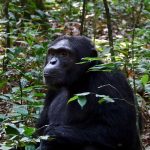
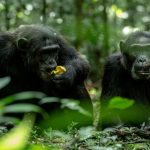
Its greatest attraction, however, is chimpanzee trekking. Walking through the forest while listening to distant pant-hoots gradually leads visitors to highly intelligent chimpanzees feeding, grooming, playing, and communicating naturally within their social groups. Watching our closest living relatives interact offers fascinating insights into human evolution and animal behavior. The nearby Bigodi Wetland Sanctuary complements the experience with exceptional birdwatching, beautiful nature walks, and meaningful community tourism initiatives that directly support local livelihoods. For wildlife enthusiasts seeking intimate encounters with intelligent primates, Kibale remains unmatched.
Kidepo Valley National Park
Remote, rugged, and spectacularly beautiful, Kidepo Valley National Park represents Africa in its wildest form. Situated in Uganda’s remote northeastern corner near the borders with South Sudan and Kenya, Kidepo receives fewer visitors than many other parks, allowing travelers to enjoy an authentic wilderness experience largely untouched by mass tourism. The dramatic landscape features sweeping golden savannahs framed by rugged mountain ranges, seasonal rivers, rocky outcrops, and expansive valleys stretching toward distant horizons. Wildlife thrives here. Visitors regularly encounter elephants, lions, leopards, cheetahs, buffalo, zebras, ostriches, giraffes, hyenas, and numerous antelope species. Several animals found in Kidepo are rare or absent elsewhere in Uganda, making the park particularly valuable for wildlife enthusiasts. Equally captivating are cultural interactions with the Karamojong and Ik people, whose traditional lifestyles have remained closely connected to this remarkable landscape for generations. Kidepo offers one of East Africa’s most authentic safari experiences.
Lake Mburo National Park
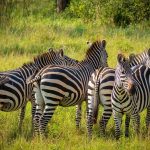
Although Uganda’s smallest savannah national park, Lake Mburo National Park delivers exceptional experiences within a relatively compact area. Located conveniently between Kampala and southwestern Uganda, the park’s rolling hills, acacia woodlands, wetlands, and lakes create beautiful scenery ideal for shorter safaris. Unlike many African parks, Lake Mburo allows guided walking safaris, horseback safaris, and cycling adventures, giving visitors unique perspectives on wildlife without always relying on vehicles. Zebras, impalas, elands, giraffes, buffalo, hippos, crocodiles, and numerous bird species flourish throughout the park. In fact, Lake Mburo is Uganda’s best destination for observing large herds of zebras. Boat cruises across the tranquil lake reveal hippos, crocodiles, fish eagles, kingfishers, and countless water birds in peaceful surroundings. Its accessibility makes Lake Mburo an ideal introduction to Uganda’s incredible natural heritage.
Rwenzori Mountains National Park
The snow-capped Rwenzori Mountains seem almost mythical. Rising dramatically along Uganda’s western border, these mountains were referred to by ancient geographers as the legendary “Mountains of the Moon.” Unlike volcanic peaks such as Kilimanjaro, the Rwenzori range consists of ancient block mountains sculpted by glaciers over millions of years. The park features extraordinary alpine landscapes unlike anywhere else in Africa. Giant lobelias, towering groundsels, crystal-clear lakes, glaciers, waterfalls, and mist-covered valleys create an almost otherworldly environment.
Mount Stanley, Africa’s third-highest peak, attracts serious mountaineers from around the world, while lower-altitude hiking trails offer equally rewarding experiences for less experienced adventurers. The park also shelters unique wildlife, colorful birds, and several species found nowhere else on Earth. For hikers and photographers, the Rwenzori Mountains are among Africa’s greatest hidden treasures.
Mgahinga Gorilla National Park
Though Uganda’s smallest national park, Mgahinga Gorilla National Park possesses extraordinary significance. Situated where Uganda, Rwanda, and the Democratic Republic of Congo converge, the park protects part of the magnificent Virunga Volcanoes. Visitors can enjoy gorilla trekking in a quieter setting than Bwindi while also tracking the endangered golden monkey, one of Africa’s most beautiful and playful primates. The park’s volcanic peaks including Mount Sabinyo, Mount Gahinga, and Mount Muhabura offer rewarding hiking opportunities with breathtaking panoramic views across three countries. Mgahinga also preserves important Batwa cultural heritage, allowing visitors to learn about one of Africa’s oldest indigenous communities.
Semuliki National Park
Semuliki National Park offers an entirely different side of Uganda. Located within the Albertine Rift Valley, the park resembles the dense tropical forests of Central Africa rather than East Africa’s familiar savannah landscapes. Towering rainforest trees shelter rare mammals, colorful butterflies, reptiles, and over 440 bird species, making Semuliki one of Uganda’s finest birdwatching destinations. Its famous Sempaya Hot Springs attract visitors fascinated by boiling geothermal waters capable of cooking eggs within minutes. Local folklore surrounding the springs adds a fascinating cultural dimension to the experience. Semuliki’s pristine rainforest provides a tranquil escape into one of Uganda’s least-explored wilderness areas.
Mount Elgon National Park
Dominating eastern Uganda, Mount Elgon is one of Africa’s oldest extinct volcanoes and boasts one of the world’s largest volcanic calderas. The park’s fertile slopes are covered with forests, bamboo zones, caves, waterfalls, cliffs, and alpine vegetation. Hikers are rewarded with scenic trails leading through diverse ecological zones before reaching the expansive caldera summit. Along the journey, visitors encounter spectacular waterfalls such as Sipi Falls, dramatic caves once used by elephants for salt mining, and abundant birdlife. Mount Elgon offers a gentler climbing experience than many African peaks while delivering equally impressive scenery.
Why Uganda’s National Parks Stand Apart
What makes Uganda truly exceptional is not simply the number of parks it possesses, but the extraordinary diversity packed into a single country. Few places in the world allow travelers to track mountain gorillas in misty forests, watch lions resting in trees, cruise alongside hippos on the Nile, hike snow-capped mountains, and observe chimpanzees in ancient rainforests all within one itinerary.
Uganda also stands out for its commitment to conservation and community involvement. Tourism revenue supports wildlife protection, habitat restoration, anti-poaching efforts, and local communities living alongside these protected areas. Every visit contributes to preserving one of Africa’s richest natural heritages for future generations.
Final Thoughts about Uganda’s Most Iconic National Parks
Uganda’s national parks are more than scenic landscapes. They are living treasures that showcase the incredible richness of Africa’s wildlife, ecosystems, and cultures. Each park tells its own story. Offering unique adventures that range from life-changing gorilla encounters and thrilling game drives to serene boat cruises, mountain hikes, and immersive cultural experiences. Whether you’re seeking the roar of Murchison Falls. The quiet gaze of a mountain gorilla in Bwindi, the rare sight of tree-climbing lions in Queen Elizabeth, or the untouched wilderness of Kidepo Valley. Uganda promises memories that endure for a lifetime. In the Pearl of Africa, every park is a destination worth exploring but together, they create one of the greatest nature travel experiences anywhere in the world.