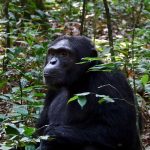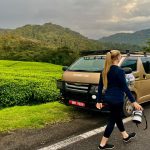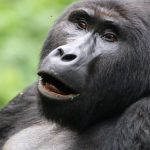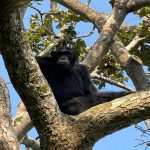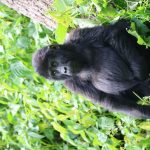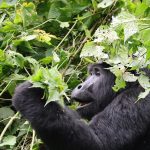
Chimpanzee Tracking Times in Kibale. Chimpanzees in Kibale National Park can be visited up to two times a day through the standard chimpanzee tracking experience. While the Chimpanzee Habituation Experience offers a full-day encounter with researchers and habituation teams. Kibale National Park is Uganda’s leading destination for chimpanzee trekking. And one of the best places in Africa to observe wild chimpanzees in their natural habitat. Located in western Uganda, the park protects over 795 square kilometers of tropical rainforest and is home to more than 1,500 chimpanzees, making it the country’s largest population of this fascinating primate.
Visitors from around the world come to Kibale to experience the thrill of following chimpanzees through the forest as they feed, groom, communicate, and swing through the towering trees. One of the most common questions travelers ask before planning their safari is how many times chimpanzees can be visited each day. Understanding the available trekking sessions, visitation rules, and conservation measures helps visitors plan a memorable and responsible wildlife experience.
Chimpanzee Tracking Times in Kibale
Chimpanzee tracking in Kibale National Park is conducted in two guided sessions every day. These scheduled visits help regulate tourism while minimizing disturbance to the chimpanzees and ensuring that every group enjoys a quality wildlife experience.
The first tracking session begins early in the morning at around 8:00 a.m. This is often considered the best time for chimpanzee tracking because the animals are highly active after leaving their nests. During the morning hours, visitors frequently observe chimpanzees feeding, calling to one another, and moving energetically through the forest canopy. The cool temperatures also make hiking more comfortable.
The second and final tracking session takes place in the afternoon, generally beginning at 2:00 p.m. Afternoon treks provide a quieter forest atmosphere and often present opportunities to witness chimpanzees preparing to settle before evening. The golden afternoon light also creates excellent conditions for photography.
Each tracking experience lasts between two and four hours depending on the location of the chimpanzees. Although visitors are permitted to spend a maximum of one hour observing the animals once they are located.
Why Chimpanzees Are Visited Two Times Daily
The limitation of two daily tracking sessions is primarily a conservation strategy designed to protect both chimpanzees and their forest habitat. Chimpanzees are highly intelligent and socially complex animals whose daily routines can easily be disrupted by excessive human presence.
Restricting the number of visits helps reduce stress, prevents overcrowding, and allows the chimpanzees to carry out natural behaviors. Such as feeding, grooming, resting, and caring for their young without constant human interference. Controlled visitation also lowers the risk of disease transmission between humans and chimpanzees, which share approximately 98 percent of their DNA and are vulnerable to many of the same respiratory illnesses.
Uganda Wildlife Authority carefully manages these visits by limiting both the number of daily tracking sessions and the number of visitors allowed in each group. This balanced approach supports sustainable tourism while ensuring that future generations will continue to enjoy healthy chimpanzee populations in Kibale National Park.
Number of Visitors Allowed Per Tracking Session
Each chimpanzee tracking group consists of a limited number of visitors accompanied by experienced Uganda Wildlife Authority ranger guides. Normally, only six visitors are allowed to track a habituated chimpanzee community during each session.
Small group sizes provide several advantages. They reduce noise levels within the forest, minimize environmental impact on the trails, and allow every visitor to enjoy unobstructed views of the chimpanzees. Smaller groups also enable guides to offer more personalized information about chimpanzee behavior, forest ecology, birdlife, medicinal plants, and the park’s remarkable biodiversity. Because visitor numbers are strictly controlled, chimpanzee tracking permits often sell out well in advance, particularly during the peak travel seasons from June to September and December to February. Booking permits several months before travel is strongly recommended.
The Chimpanzee Habituation Experience
For travelers seeking a deeper and more immersive encounter, Kibale National Park also offers the Chimpanzee Habituation Experience. Unlike the standard tracking sessions. This special activity allows visitors to spend an entire day accompanying researchers, conservationists, and park rangers. As they monitor chimpanzees that are gradually becoming accustomed to human presence.
Participants begin their day early in the morning before sunrise, following the chimpanzees from the moment they leave their nests until they settle again in the evening. This extended experience provides a rare opportunity to witness behaviors that are impossible to observe during the regular one-hour tracking visit.
Throughout the day, visitors may observe territorial displays, social interactions, feeding patterns, nest building, vocal communication, and parenting behaviors while learning about ongoing conservation research. The habituation experience is particularly rewarding for wildlife photographers, documentary filmmakers, researchers, and travelers with a strong interest in primate behavior.
Best Time of Day to Visit Chimpanzees
Although chimpanzees can be visited during all two tracking sessions. Many visitors consider the morning trek to offer the highest chances of active sightings. During the early hours, chimpanzees are energetic, vocal, and often easier to locate before they move deeper into the forest in search of food.
Midday tracking also provides rewarding encounters, especially during fruiting seasons when chimpanzees remain concentrated around feeding trees. Afternoon visits, on the other hand, offer a more peaceful forest experience with softer lighting for photography and fewer crowds on the trails. Regardless of the chosen session, sightings are consistently excellent throughout the year. Because Kibale National Park has one of Africa’s highest chimpanzee tracking success rates, frequently exceeding 90 percent.
Rules Visitors must follow during Chimpanzee Tracking
Strict visitor guidelines are essential for protecting the chimpanzees and maintaining the quality of the experience. Visitors must maintain a minimum distance of seven to eight meters from the chimpanzees whenever possible. And should avoid making sudden movements or loud noises that could alarm the animals. Photography is encouraged, but flash photography is prohibited because it may disturb the chimpanzees. Visitors should also avoid eating near the animals and must never attempt to touch or feed them under any circumstances. Anyone experiencing symptoms such as coughing, flu, fever, or other contagious illnesses is advised not to participate in chimpanzee tracking. Human respiratory diseases can spread rapidly among great apes and pose a significant conservation threat. Following these regulations ensures that chimpanzees remain healthy while allowing future visitors to enjoy equally rewarding encounters.
What to Expect During Your Trek
Chimpanzee tracking is more than simply searching for primates. The experience begins with a briefing by Uganda Wildlife Authority guides, who explain safety procedures. Trekking expectations, and chimpanzee behavior before leading visitors into the rainforest. As the trek progresses, guides use fresh vocalizations, feeding signs, nests, and information from ranger trackers to locate the chimpanzees. The duration of the hike varies depending on the movement of the animals. With some groups located within an hour while others require longer walks through the forest.
Along the way, visitors frequently encounter other wildlife, including black-and-white colobus monkeys, red-tailed monkeys, L’Hoest’s monkeys, blue monkeys, olive baboons, forest elephants, bush pigs, colorful butterflies, and hundreds of bird species. The journey itself becomes an exciting exploration of one of East Africa’s richest rainforest ecosystems.
Planning Your Chimpanzee Visit
Planning ahead greatly enhances the overall experience. Chimpanzee tracking permits should be secured well before travel, especially during peak tourist seasons. Visitors are advised to wear lightweight long-sleeved clothing, sturdy hiking boots, rain jackets, gardening gloves for gripping vegetation, insect repellent, and carry enough drinking water for the trek.
Accommodation options around Kibale National Park range from luxury safari lodges to comfortable mid-range camps and budget-friendly guesthouses. Making the destination accessible to different travel budgets. Many visitors combine chimpanzee tracking with nearby attractions such as Queen Elizabeth National Park, Semliki National Park, Bigodi Wetland Sanctuary, and the Rwenzori Mountains for a complete western Uganda safari.
Chimpanzee Tracking Times in Kibale Conclusion
Chimpanzees in Kibale National Park are visited through two carefully managed tracking sessions each day. Ensuring that tourism remains sustainable while safeguarding the wellbeing of these remarkable primates. Each session offers a unique perspective on chimpanzee life. Whether visitors choose the lively morning trek, the relaxed midday excursion, or the scenic afternoon experience. For those seeking an even deeper connection with these intelligent animals. The Chimpanzee Habituation Experience provides an unforgettable opportunity to spend an entire day in the rainforest alongside researchers and conservation teams. With proper planning, respect for park regulations, and an appreciation for wildlife conservation. A visit to Kibale National Park promises one of the most rewarding primates encounters anywhere in Africa.