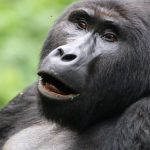
Gorilla Tourism as a Key Economic and Conservation Tool in Uganda and Rwanda. Gorilla tourism plays a vital role in the economic, environmental, and social development of both Uganda and Rwanda. As home to the endangered mountain gorillas, these countries have successfully developed carefully managed tourism programs that generate revenue, create employment, promote conservation, and raise global awareness about the need to protect gorillas and their natural habitats. Through regulated gorilla trekking experiences, visitors are able to observe these magnificent primates in the wild while contributing directly to conservation and community development.
In Uganda, gorilla tourism is centered in Bwindi Impenetrable National Park and Mgahinga Gorilla National Park, both of which attract visitors from across the world. In Rwanda, Volcanoes National Park stands out as a premier destination for gorilla trekking. Revenue generated from gorilla tourism in these protected areas supports conservation initiatives, improves local livelihoods, and funds community development projects. Responsible tourism has therefore become a powerful tool for ensuring the long-term survival of mountain gorillas while allowing visitors to experience the rich culture and natural beauty of East Africa.
What is Gorilla Tourism?
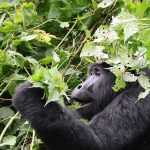
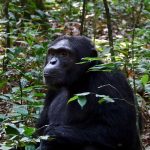
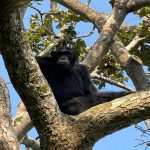
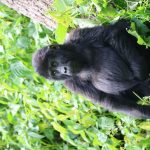
Gorilla tourism involves visiting mountain gorillas in their natural forest habitats, primarily within national parks and protected areas. This form of tourism is strictly regulated to safeguard both the gorillas and visitors. Treks are led by experienced guides and trackers who monitor gorilla families daily, ensuring safe and respectful interactions.
During these treks, visitors observe gorillas’ feeding patterns, social behavior, and interactions within their groups. This close yet controlled experience helps tourists gain a deeper appreciation of wildlife conservation and the importance of protecting endangered species. At the same time, gorilla tourism generates essential funding for conservation programs and supports sustainable livelihoods for surrounding communities.
Gorilla Tourism as a Key Economic and Conservation Tool in Uganda and Rwanda
Economic Benefits
Gorilla tourism has become a major contributor to the economies of Uganda and Rwanda. Trekking permits, accommodation, transport services, and other tourism-related activities support national revenue and local businesses.
The sector provides employment opportunities for guides, rangers, porters, lodge staff, drivers, and small-scale entrepreneurs.
A portion of the permit fees is reinvested into conservation activities such as habitat protection, anti-poaching patrols, and research. Tourism has also stimulated infrastructure development, including roads, lodges, and community facilities, strengthening local economies while enhancing visitor experiences.
Community development
Gorilla Tourism as a Key Economic and Conservation Tool in Uganda and Rwanda. The money got from gorilla tourism is shared with the surrounding communities as well as giving them employment opportunities. The community percentage funds from gorilla tourism are used to construct schools, health centers, roads and improving the living standards.
There are several community based initiatives empower local people to participate directly in tourism through cultural experiences, handicrafts and guiding. These programs have helped to reduce poverty, strengthen community support for conservation efforts as well as promoting education.
Conservation Impact
Gorilla tourism has had a significant positive impact on conservation. Revenue from tourism supports anti-poaching efforts, veterinary services, population monitoring, and habitat protection. These efforts have contributed to the gradual recovery of mountain gorilla populations over the years.
Tourism has also increased awareness about the threats facing gorillas, encouraging both governments and communities to prioritize conservation. The presence of tourists and rangers helps deter illegal activities such as poaching and forest encroachment, providing an additional layer of protection for gorilla habitats
Community and tourist awareness about gorillas
The guided treks and interpretation sessions during gorilla trekking provide valuable information about gorilla behavior, environmental protection and conservation challenges. Tourism revenue also supports outreach programs, school education initiatives and conservation training, helping to inspire future conservationists.
Best time for Gorilla Tourism in Uganda and Rwanda
The best time for gorilla trekking is during the dry seasons, from June to September and December to February. During these months, weather conditions are favorable, trails are less muddy, and trekking is more comfortable.
Although gorilla trekking is possible year-round, the rainy seasons from March to May and October to November can make trails more challenging. However, these months offer lush scenery and fewer crowds, appealing to some travelers. Ultimately, the best time to visit depends on individual preferences.
For more inquiries about gorilla trekking safaris, contact info@vibrantholidaysafaris.com and let our experienced tour consultants guide you in planning the perfect gorilla safari basing on your budget and travel dates.