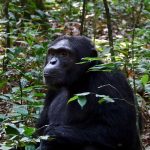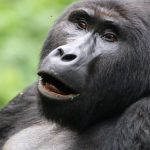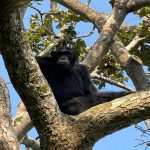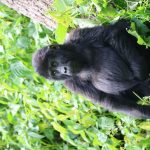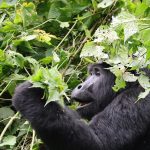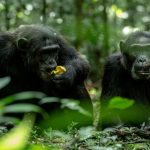
Arranging a single-day gorilla trekking adventure beginning in Kigali, Rwanda. Rwanda is one of the three East African countries A single-day gorilla trekking adventure beginning in Kigali, Rwanda. , and it is indeed possible to have a single-day gorilla trekking adventure in Rwanda with the right tour operator. Gorilla trekking in Rwanda is carried out in Volcanoes National Park, home to over 12 habituated mountain gorilla families. Volcanoes National Park is about a 2 to 3-hour drive from Kigali city. Making a day gorilla trekking adventure possible.
To participate in gorilla trekking, you will need a gorilla trekking permit and a reputable tour operator to assist with the necessary arrangements, including transportation.
Planning a single-day gorilla trekking adventure beginning in Kigali, Rwanda
A one-day gorilla trek from Kigali offers travelers a chance to encounter mountain gorillas in Volcanoes National Park, located in the scenic Musanze region. Because the trip begins early in the morning and ends back in Kigali the same day, proper planning is key. Below is a reorganized guide on how to prepare for this short but rewarding adventure.
Consult a Tour Operator Early
To begin organizing your day trip, your first step should be contacting a reputable safari company. Since gorilla trekking is one of Rwanda’s most sought-after experiences, arrangements should be made ahead of time. Vibrant Holiday Safaris can assist with securing trekking permits, handling transport, and coordinating logistics. Always research the company you plan to use, read reviews, verify credentials, and avoid dealing with unverified operators.
Booking Your Gorilla Trekking Permit
A gorilla trekking permit is the official document that allows you access to a habituated gorilla family inside Volcanoes National Park. Travelers obtain permits directly from the Rwanda Development Board or work with a trusted tour operator. Most travelers choose a tour company to handle the entire process, including payment, booking, and permit collection, on their behalf.
Permit Pricing in Rwanda
The cost of a permit reflects Rwanda’s conservation-driven, high-end tourism model.
Current rates include:
• $1,500 – Foreign non-residents
• $500 – Foreign residents
• $500 – Citizens of other African nations
• $200 – East African citizens
These fees contribute to park protection, ranger salaries, community development, healthcare for gorillas, and infrastructure improvements around the parks.
>How to Secure a Permit
Once you send your preferred travel dates to Vibrant Holiday Safaris, they will check availability and provide payment instructions. Because permits sell out fast and are allocated on a first-come, first-served basis, paying promptly ensures your slot. After purchase, a confirmation copy will be shared with you via email.
Getting to Volcanoes National Park
The most efficient way to reach the park for a same-day trek is by road. Travellers may choose between:
Private Transport
A private transfer offers privacy and flexibility. You can hire a vehicle and driver through a licensed tour operator or use your own rental car if you prefer independent travel.
>Guided One-Day Tours
Many safari companies run day trips that include transportation to and from Kigali, making this the most convenient option for first-time visitors.
What Happens During the Trek?
Expect a very early departure, usually between 3:30 and 4:30 a.m. so you arrive at the park headquarters in time for the morning briefing. Here, park rangers explain trekking guidelines and assign you to a specific gorilla family.
Trekking times vary widely depending on the gorillas’ location and can last anywhere from one to six hours. Once the group reaches the gorillas, you have one full hour to observe their behavior. Including feeding, grooming, nurturing the young, and interacting within their family structure. After the encounter, hikers return to the starting point and drive back to Kigali, marking the end of the trip.
During the walk, you may also spot wildlife such as golden monkeys, various bird species, baboons, and black-and-white colobus monkeys.
Items to Bring for a One-Day Gorilla Trek
Pack essentials that will make your hike comfortable and safe:
• Waterproof hiking boots (preferably ankle-to-knee length)
• Lightweight long-sleeved clothing in natural colors
• A rain jacket for sudden showers
• Hat, sunglasses & sunscreen
• Camera, extra batteries & memory cards
• Binoculars
• Snacks and drinking water (preferably a refillable bottle)
• Gardening gloves for protection
• Gaiters to keep mud and insects away
• A waterproof backpack
• Personal first-aid kit
• Cash for tipping guides and trackers
Gorilla Trekking Guidelines You Must Follow
Volcanoes National Park enforces strict rules to ensure both visitor safety and gorilla health:
• Minimum trekking age: 15 years
• Keep 7 meters away from the gorillas
• Only 8 trekkers may visit each gorilla family per day
• Always follow ranger instructions
• Camera flashes must be switched off
• Never touch or feed gorillas
• Maintain low voices throughout the trek
• Sick individuals (especially with cold/flu symptoms) may be denied entry
• All waste must be properly buried or carried out
• Stay with your assigned group at all times
• Littering inside the park is prohibited
Cost Considerations for a One-Day Gorilla Safari
Several factors affect the total price of your Kigali day trip:
Group Size
Larger groups enjoy reduced costs since expenses like transportation are shared. Solo travelers pay more because the costs fall on one person.
Transport Choice
Private transfers are more expensive, while shared or group tours lower the cost.
Accommodation
Although it is a one-day trip, many travellers choose to spend a night in Kigali before or after the trek. Your choice of budget, mid-range, or luxury lodging will influence your overall expenses.
Season of Travel
Peak travel periods (June–September and December–February) come with higher prices and greater demand. The rainy months offer discounts and are more budget-friendly.
Ideal Time to Trek Gorillas on a One-Day Trip
Gorilla trekking is available all year, but the dry seasons. June to September and December to February, offer the most comfortable conditions: clear trails, better visibility, and more reliable weather. These months, however, attract the highest number of visitors.
If you prefer fewer crowds and lower prices. The wet seasons (March–May and October–November) are suitable. Though trekkers should expect muddy and slippery terrain.