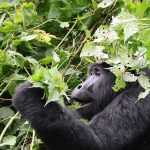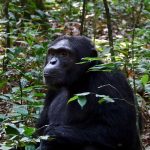
ThisA three-day Uganda double gorilla trekking safari from Kigali. A three-day Uganda double gorilla trekking safari from Kigali involves trekking gorillas twice in any of the Uganda National Parks that offer gorilla trekking, namely Bwindi Impenetrable Forest National Park and Mgahinga Gorilla National Park, or you can choose to do two different sectors of Bwindi Impenetrable Forest National Park. The safari starts and ends in Kigali.
Each gorilla family is unique in its way, and visiting two different families enables you to spend more time with these gentle giants as well as get to know what makes each family and sector unique.
Bwindi Impenetrable Forest National Park is closer from Kigali, about 4 hours’ drive compared to the 9 hours’ drive from Entebbe. Gorilla trekking is among the ultimate experiences that cannot be missed by nature and adventure seekers on a Ugandan Safari. A three-day Uganda double gorilla trekking safari from Kigali
Can travelers take part in a double gorilla trekking safari in Uganda?
Tourists aged 15 years and above are allowed to participate in this experience, and it can conveniently be arranged through Kigali. To complete two gorilla treks, visitors must obtain two separate trekking permits, each valid for a different day. It is important to coordinate with your tour operator such as Vibrant Holiday Safaris to confirm whether the permits can be booked on back-to-back days or scheduled with a rest day in between.
What does double gorilla trekking mean?
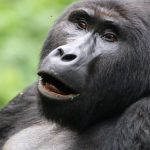
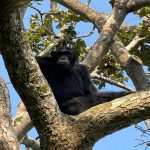
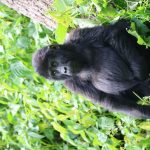
Double gorilla trekking involves participating in two distinct gorilla tracking adventures within the same journey. This activity is most commonly done in Bwindi Impenetrable National Park, which hosts around 21 fully habituated mountain gorilla groups. Below is an outline of what this experience includes:
- Two independent trekking days: Visitors go on two separate gorilla treks, each taking between 2 and 8 hours depending on the gorilla family’s location. Both treks must occur on different days, not within the same day.
- Permit costs: The total expense for a double trek depends on factors such as accommodation, transport, and personal spending. Each gorilla permit costs USD 800, meaning two permits are required for the experience.
- Tracking different gorilla groups: Each trek allows visitors to observe a different gorilla family, offering a chance to witness varying group dynamics, behaviors, and individual personalities.
- Physical readiness: Participants should be in good physical condition, as gorilla trekking can be demanding. The trails often involve steep climbs, muddy and slippery paths, and challenging descents, making preparation essential for a comfortable experience.
If you would like help planning this adventure, Vibrant Holiday Safaris can assist with permits, logistics, and accommodation arrangements.
How to get double gorilla trekking permits in Uganda
Before purchasing the double gorilla trekking permits, first select the days you want to track the mountain gorillas and let your tour operator check for the availability. When availability is proven, the operator will contact you for payments and then the permits will be purchased.
Crossing from Rwanda to Uganda
Travelling from Kigali to Bwindi Impenetrable Forest National Park requires crossing the border meaning you will have to acquire a visa. You can get a Ugandan Visa in advance or have the East African Visa that enables you to access Uganda, Rwanda and Kenya valid for 3 months.
East African Visa requirements
The East African region has made travel easier for tourists through harmonized visa arrangements, particularly for Uganda, Kenya, and Rwanda. Visitors can either apply for individual country visas or use the East African Tourist Visa, depending on their travel plans. Visa rules may vary by nationality, so travelers are encouraged to confirm requirements with official immigration authorities before departure.
East African Tourist Visa
The East African Tourist Visa is a joint visa that allows travelers to visit Uganda, Kenya, and Rwanda using a single visa. It is valid for up to 90 days from the date of first entry and permits multiple border crossings between the three countries as long as the traveler remains within this region. The visa must be obtained from the country where the journey begins and is strictly issued for tourism purposes only.
Eligibility and Application Requirements
To qualify for the East African Tourist Visa, applicants must hold a passport with a minimum validity of six months beyond the intended travel date. A recent passport-size photograph, a confirmed travel itinerary, proof of accommodation, and return or onward travel details are typically required. In addition, travelers must present a valid Yellow Fever vaccination certificate where applicable. The visa application is usually completed online prior to arrival.
Uganda Visa Requirements
Uganda requires most foreign visitors to obtain a visa before arrival, commonly through an online e-visa system. Passports must be valid for at least six months, and travelers may be asked to show proof of Yellow Fever vaccination upon entry. Tourists can apply for a single-entry visa or use the East African Tourist Visa if planning to travel onward to Kenya or Rwanda.
Rwanda Visa Requirements
Rwanda offers flexible visa options, including visas on arrival and online e-visas for many nationalities. Passports should be valid for at least six months, and proof of Yellow Fever vaccination may be required. Rwanda is also covered under the East African Tourist Visa, allowing seamless travel between Rwanda, Uganda, and Kenya during the validity period.
Important Travel Considerations
Travelers should apply for visas well in advance of their trip and carry printed copies of visa approvals and supporting documents when traveling. If a traveler exits the Uganda–Kenya–Rwanda bloc, the East African Tourist Visa becomes invalid. And a new visa or authorization will be required to re-enter any of the countries. Staying informed about current immigration policies is essential for smooth travel within East Africa.
Best time to go Gorilla Trekking Safari in Uganda
The dry season from June to September and December to January. This is the best season due to dry trails, less humidity, and the activities are all rewarding. Around rainforests, rain can come at any time. However, chances lessen during the dry season, and these outdoor activities require a moister environment.
However, the dry season also comes with congestion and few options for last-minute bookings.
The wet season, from March to May and October to November, is considered the low season. However, the park is open all year round. During the low season, the trails are muddy, and hiking is more difficult. The advantages of the low season are the lush greenery, and most lodges are discounted due to the few tourists.
Gorilla Trekking Rules in Uganda
- If you are affected with communicable infections like cough and flu you are not allowed to engage in gorilla trekking.
- Photos are allowed but no flash photography because this may led them to charge.
- Eating and smoking while close to mountain gorillas is prohibited.
- You have only one hour with the gorillas in their natural habitat.
- A 7 meters distance should be maintained while in the presence of the gorillas.
- Gorilla trekking is not an individual activity meaning you will be grouped in a group of 8 people to track a gorilla family.
- Each gorilla family is visited once a day by a group of 6 or 8 individuals.
- Remain in a tight group and always follow the guide’s instructions.
- Avoid direct eye contact with the gorillas
- In case a gorilla charges, ensure to keep calm and crouch down slowly