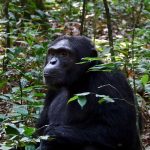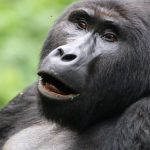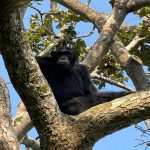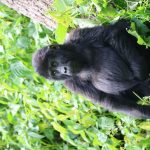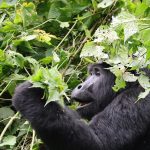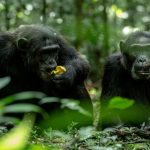
Combining gorilla trekking in Rwanda with guided village walks. Combining gorilla trekking in Rwanda with guided village walks offers a rewarding blend of wildlife adventure and cultural immersion. This experience allows travelers to observe Africa’s iconic mountain gorillas while also connecting with local communities and learning about everyday life in rural Rwanda. Gorilla trekking takes place in Volcanoes National Park, a protected area renowned for safeguarding these rare and endangered primates.
Combining gorilla trekking in Rwanda with guided village walks
With Vibrant Holiday Safaris, this combination creates a balanced journey that goes beyond wildlife viewing. After the thrill of tracking gorillas in the forest, village walks introduce you to the traditions, customs, and livelihoods of the people living around the park. These community visits provide meaningful interactions and a deeper understanding of Rwanda’s rich cultural heritage.
To take part in gorilla trekking and village walks, travelers must obtain a valid gorilla permit and be accompanied by an experienced local guide. It is also important to arrange essential travel services such as accommodation, transportation, and a professional driver-guide to ensure a smooth and enjoyable safari experience.
Village walks are led by community members and offer insight into daily routines, including farming practices, crafts, local markets, and social life. Visitors may choose to participate in homestay experiences, visit schools, or support community-led initiatives. The income generated from these activities directly contributes to community development projects and provides financial support to local families. Making the experience both enriching and responsible.
What is needed for a combined gorilla trekking and village walks safari?
Gorilla Trekking Permit
A gorilla trekking permit is the most important requirement and must be obtained in advance. The permit grants access to Volcanoes National Park and allows one hour of observation with a habituated gorilla family under ranger supervision. Permits are limited each day to protect the gorillas, so early booking is essential.
Qualified Guides and Park Rangers
Gorilla trekking is conducted with trained park rangers who lead visitors through the forest, ensure safety, and enforce conservation rules. Village walks are guided by local community members who provide cultural insights, explain daily activities, and help visitors interact respectfully with residents.
Physical Fitness and Health Considerations
Trekkers should be in reasonable physical condition, as hikes can last several hours over steep, muddy, and forested terrain. Visitors must also be free from contagious illnesses, since gorillas are highly susceptible to human diseases. Following health guidelines protects both travelers and wildlife.
Proper Clothing and Personal Gear
Appropriate attire is essential for comfort and safety. This includes sturdy hiking boots, long trousers, long-sleeved shirts, rain gear, gloves for gripping vegetation, and a daypack with water and snacks. For village walks, modest and respectful clothing is recommended.
Travel Logistics and Community Fees
Travelers must arrange accommodation, transportation, and a reliable driver-guide in advance. Village walks often involve a small participation fee or donation. Which directly supports local community projects, education initiatives, and household income for village guides, ensuring responsible and sustainable tourism.
Where to go Gorilla trekking in Rwanda
Volcanoes National Park
Located in the northwestern part of Rwanda. Volcanoes National Park is a lush, ancient rainforest that has stood the test of time. It is the heart of Rwanda’s famous mountain gorilla trekking experience. Currently, visitors can track more than 12 habituated gorilla families, including well-known groups such as Amahoro, Karisimbi, Umubano, and Agashya, among others.
Beyond the gorillas, the park shelters a rich diversity of wildlife. Primates like golden monkeys, olive baboons, and grey-cheeked mangabey thrive here, alongside an impressive birdlife of over 200 recorded species that fill the forest canopy with song.
For travelers seeking adventure and a challenge, guided mountain hikes can be arranged to several volcanic peaks that form part of the Virunga range Mount Karisimbi, Bisoke, Sabyinyo, Gahinga, and Muhavura offering a rewarding test of endurance and spectacular panoramic views
Best Time to Visit Rwanda for Gorilla trekking Safari
Rwanda welcomes visitors throughout the year, but Vibrant Holiday Safaris recommends travelling during the dry seasons (June–September and December–February) for the best overall safari conditions. Dry weather makes game drives, primate trekking, nature walks, and gorilla tracking easier and more enjoyable. With trails remaining accessible and less chance of rainfall interruptions.
The wet season, however, appeals to budget-conscious travelers. Accommodation discounts are common during this period, and fewer tourists mean quieter parks and a more relaxed atmosphere. For those seeking affordability and solitude, the rainy months are an excellent choice.
Places near Volcanoes National park perfect for Village walks
Village walks around Volcanoes National Park offer a meaningful way to connect with Rwanda’s cultural heritage. These experiences introduce visitors to local traditions, skills, and stories shared proudly by nearby communities.
Iby’lwacu Cultural Village
Located close to the park, this community-based village is managed by former poachers who have embraced conservation-friendly livelihoods. Visitors are welcomed into a lively setting where they can learn traditional skills such as archery, handicraft production, and storytelling. Cultural performances, visits to a traditional royal compound, and interactions with local residents highlight Rwanda’s transformation through sustainable tourism.
Buhanga Sacred Forest Experience
Buhanga is a culturally significant forest steeped in legend and traditional beliefs. This dense natural woodland features ancient trees, diverse birdlife, and small wildlife species. Trails through the forest reveal sacred sites and scenic viewpoints ideal for nature photography. Walks here can also be extended toward nearby lakes, commonly known as the Twin Lakes. Offering a peaceful blend of culture and nature.
Nyange Community Walk
This walk focuses on traditional craftsmanship and everyday village life. Visitors observe and sometimes participate in activities such as blacksmithing, banana beer brewing, pottery, basket weaving, and mat making. It is also a great place to learn about local food preparation and sample traditional dishes prepared by community members.
Nyakarimbi Cultural Craft Village
Nyakarimbi is well known for its artistic traditions, especially the distinctive cow-dung paintings called Imigongo. During the visit, travelers can try their hand at painting and sculpting, browse handmade crafts, and purchase authentic souvenirs, including ceramics and woven items.
Cost of Gorilla Trekking and Village Walks in Rwanda
The overall cost of combining gorilla trekking with village walks in Rwanda varies depending on chosen activities, travel style, and length of stay.
The gorilla trekking permit is the main expense. Current permit rates are:
- USD 1,500 for foreign non-residents
- USD 500 for African citizens and foreign residents in Africa
- USD 200 for East African citizens
Other costs to consider include accommodation, transportation, meals, guide services, and village walk participation fees. These community fees contribute directly to local development and household income.
Travelers are advised to carry some cash for small purchases such as souvenirs, tips, drinks, and optional activities, as card payment facilities are limited in rural areas.
This combination of gorilla trekking and village walks creates a balanced experience that supports conservation while benefiting local communities.