Why Gorilla Trekking in Uganda is Cheaper During Low Season.
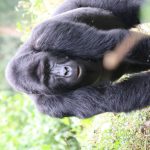
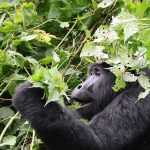
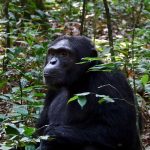
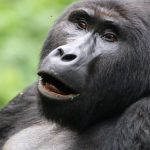
Gorilla trekking in Uganda offers one of the most extraordinary wildlife encounters on earth. Few travel experiences compare to walking through the misty rainforests of Bwindi Impenetrable National Park and finally standing face to face with a family of endangered mountain gorillas in their natural habitat. The emotional connection, the silence of the forest, and the sheer presence of these gentle giants create memories that stay with travellers forever.
However, many visitors planning a Uganda safari quickly notice that gorilla trekking prices fluctuate depending on the time of year. During certain months, safari packages become far more affordable, accommodation rates drop significantly. And travellers can save hundreds of dollars on the overall experience
This price difference often leads travellers to ask one important question: why is gorilla trekking in Uganda cheaper during the low season?
The answer lies in tourism demand, seasonal travel patterns, weather conditions, and competition among tourism businesses. The Uganda Wildlife Authority also offer discounted low season gorilla trekking permits during the low season. While many travellers automatically prefer peak travel months, experienced safari enthusiasts often choose the low season because it combines affordability, fewer crowds, lush scenery, and a more intimate trekking experience.
Understanding how Uganda’s tourism seasons work can help traveller’s make smarter decisions, maximize their safari budget, and still enjoy a world-class gorilla trekking adventure.
Understanding Uganda’s Gorilla Trekking Seasons
Uganda experiences two primary tourism seasons each year, and both directly affect the cost of gorilla trekking safaris.
High Season
The high season usually runs from June to September and again from December to February. These months attract the largest number of international tourists because Uganda experiences drier weather conditions. Trekking trails remain easier to navigate, roads stay more accessible, and travellers feel more comfortable exploring national parks during these periods.
As a result, gorilla trekking demand rises sharply. Lodges near Bwindi Impenetrable Forest National Park and Mgahinga Gorilla National Park often operate at full capacity. Gorilla permits sell out quickly and safari vehicles become heavily booked due to high demand hence raise in prices.
Many travellers’ book high season gorilla permits several months in advance to secure availability. Luxury lodges sometimes fill up nearly six months a head, especially during holiday seasons.
Low Season
The low season mainly occurs between March and May as well as October and November. These months bring more rainfall across Uganda, particularly in the southwestern regions where mountain gorillas live.
Although some travellers avoid these rainy months, gorilla trekking never stops. The parks remain open every day, and gorilla families continue to receive visitors throughout the year.
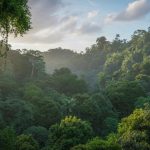
In fact, many experienced travellers believe the low season creates a more authentic rainforest experience because the forests become greener, fresher, and incredibly beautiful after rainfall.
Tourism businesses understand that visitor numbers decline during these months. Consequently, hotels, lodges, tour operators, and transport companies lower their rates to encourage more bookings.
Why Gorilla Trekking in Uganda Becomes Cheaper During Low Season
Vibrant Holiday Safaris has arranged for you the several important factors that contribute to lower safari prices during Uganda’s rainy season.
Discounted Gorilla Permits
Starting from April 2026, traveller’s visiting Uganda during the low tourism season can take advantage of discounted gorilla trekking permits for foreign non residents. The permit price reduces to USD 600 instead of the usual USD 800, giving visitors a chance to save USD 200 per permit.
These discounted permits apply gorilla trekking experiences in Bwindi and Mgahinga Gorilla National Park. During the low season months of April, May and November.
Because demand remains lower during these rainy months, the Uganda Wildlife Authority (UWA) introduces seasonal discounts to encourage more travellers to experience mountain gorilla trekking at a more affordable cost.
Low-season permits remain limited and are issued on a first-come, first-served basis. Additionally, travellers cannot reschedule these permits once confirmed, making it important to finalize travel dates before booking.
Anyone aged 15 years and above can book a gorilla permit through Vibrant Holiday Safaris a licensed Ugandan tour operator. Planning early remains highly recommended since discounted permits often sell out quickly due to their lower price and high value.
Reduced Tourist Demand Creates Lower Prices
Tourism operates heavily on supply and demand. During peak travel months, thousands of travellers compete for gorilla permits, safari lodges, and transportation services. Since demand remains high, prices naturally increase. During the low season, however, fewer tourists visit Uganda. Some travellers fear rain, muddy trails, or unpredictable weather conditions. Others simply schedule vacations around summer holidays in Europe or North America, which often align with Uganda’s dry season.
Because visitor numbers decrease, tourism businesses must adapt quickly to avoid losing revenue. Hotels reduce room rates, tour companies advertise discounted packages, and safari operators create promotional offers to attract travellers. This situation creates an excellent opportunity for budget-conscious tourists who still want to enjoy the same gorilla trekking experience at a much lower overall cost. A traveller visiting during low season may spend substantially less while receiving nearly identical wildlife encounters compared to someone visiting during peak months.
Lodges and Hotels Offer Major Discounts
Accommodation contributes significantly to the total cost of a gorilla trekking safari. Uganda’s gorilla parks feature a wide range of lodges, from budget guesthouses to ultra-luxury eco-retreats overlooking the rainforest. During peak season, premium lodges charge high nightly rates because rooms remain in constant demand. Some luxury properties near Bwindi can cost several hundred dollars per night. Low season changes the situation dramatically.
To maintain occupancy, many lodges introduce substantial discounts ranging from 20% to 50%. Others include free upgrades, complimentary meals, airport transfers, or additional nights at no extra cost. This means travellers who normally cannot afford luxury accommodation suddenly gain access to upscale safari experiences within a manageable budget. Additionally, low-season visitors often receive more personalized service because lodges host fewer guests. Staff members spend more time attending to individual travellers, creating a warmer and more relaxed atmosphere. For honeymooners, photographers, solo travellers, and nature lovers, this quieter environment greatly enhances the overall safari experience.
Tour Operators Compete More Aggressively
Safari companies face intense competition during the low season. Since fewer traveller’s book gorilla trekking safaris, operators work harder to attract customers by offering extra value.
Instead of simply lowering prices, many companies create comprehensive packages that include additional activities and benefits.
For example, low-season safari packages may include:
- Free cultural village tours
- Complimentary airport pickups
- Discounted chimpanzee trekking
- Extra wildlife game drives
- Free accommodation upgrades
- Flexible travel itineraries
These added incentives make low-season travel highly attractive, especially for traveller’s seeking a complete Uganda safari experience without exceeding their budget.
Tour operators also become more flexible with customization during quieter months. Travelers often enjoy greater freedom when adjusting schedules, selecting accommodation preferences, or adding extra destinations to their itinerary.
Transportation Costs Become More Affordable
Transportation plays a major role in safari expenses, particularly for gorilla trekking trips that involve long-distance travel to southwestern Uganda. During peak season, safari vehicles remain in high demand. Tour companies charge premium transport rates because availability becomes limited. In low season, however, demand decreases significantly. As a result, travellers often secure lower transportation costs for private safaris, shared tours, and domestic flights. Some airlines operating regional routes into Uganda also introduce seasonal promotions to encourage tourism traffic during slower months. When travelers combine reduced transport costs with discounted accommodation and package deals, the total savings become very significant.
Advantages of Gorilla Trekking During Low Season
Many travelers focus only on the lower prices, but low-season gorilla trekking offers several unique advantages beyond affordability.
Fewer Crowds Create a More Personal Experience
One of the greatest benefits of low season travel involves the peaceful atmosphere inside the parks. During high season, popular lodges stay busy, trekking groups fill quickly, and tourist traffic increases around the gorilla regions. Low season feels completely different.
Visitors enjoy quieter trails, calmer lodges, and less crowded trekking experiences. The rainforest atmosphere feels more natural and immersive, allowing travellers to connect deeply with the environment. Many trekkers appreciate the slower pace because it creates stronger emotional moments during gorilla encounters. Instead of rushing through crowded tourist areas, travellers experience a more authentic connection with Uganda’s wilderness.
The Rainforest Looks More Beautiful
Rain transforms Uganda’s forests into spectacular green landscapes bursting with life. The vegetation appears richer, rivers flow more dramatically, and mist drifts through the hills in breathtaking ways. Photographers especially love low season because the scenery becomes incredibly cinematic. The rainforest atmosphere feels magical during early morning treks when fog settles across the valleys and sunlight filters through dense jungle vegetation. Wildlife photography often improves during this season because the forests look vibrant, fresh, and alive.
Gorilla Permits Remain More Available
Peak-season gorilla permits often sell out months in advance. Travelers who delay booking sometimes struggle to secure permits for their preferred dates. Low season offers much greater flexibility.
Travelers can often plan trips on shorter notice while still finding permit availability. This flexibility benefits spontaneous travelers, couples, photographers, and adventure seekers who prefer less rigid travel schedules.
It also reduces stress during the planning process.
Final Thoughts
Gorilla trekking in Uganda becomes cheaper during the low season mainly because tourism demand decreases during rainy months. To attract visitors, lodges, safari companies, and transportation providers reduce their prices and introduce attractive travel deals. However, lower prices do not mean lower-quality experiences. Travelers still enjoy unforgettable gorilla encounters, breathtaking rainforest scenery, exceptional hospitality, and incredible wildlife adventures. In many cases, the low season actually delivers a more peaceful, authentic, and rewarding safari experience. For travellers seeking affordability, fewer crowds, beautiful landscapes, and excellent value for money, the low season stands out as one of the best times to visit Uganda for gorilla trekking.