What’s the Elevation of Buhoma?
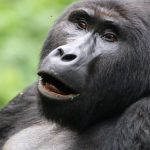
Buhoma is one of the most famous gorilla trekking destinations in Africa and the most visited sector of Bwindi Impenetrable National Park in southwestern Uganda. Over the years, it has become the preferred starting point for thousands of travelers visiting Uganda specifically to see endangered mountain gorillas in their natural habitat. The combination of dense rainforest, mist-covered hills, rich biodiversity, and unforgettable gorilla encounters makes Buhoma one of the most rewarding safari destinations in East Africa.
Before planning a gorilla trekking safari, many travelers usually ask an important question: what is the elevation of Buhoma?
Buhoma sits at an elevation ranging between approximately 1,160 meters and 2,607 meters (3,806 to 8,553 feet) above sea level. The Buhoma trading Centre and the main park headquarters are located at about 1,500 meters (4,921 feet) above sea level. This moderate mountain elevation is one of the reasons Buhoma experiences cool temperatures, frequent mist, lush rainforest vegetation, and breathtaking scenery throughout the year.
The elevation of Buhoma is not just a geographical fact. It plays a major role in shaping the entire gorilla trekking experience. From the climate and hiking conditions to the forest ecosystem and wildlife diversity, Buhoma’s altitude creates a unique environment that makes the region incredibly special for travelers, photographers, birdwatchers, and nature lovers.
Where Is Buhoma Located?
Buhoma is located in the northern section of Bwindi Impenetrable National Park in Kanungu District in southwestern Uganda. Bwindi lies along the edge of the Albertine Rift Valley near Uganda’s border with the Democratic Republic of Congo. The park itself is one of Africa’s oldest and most biologically diverse rainforests, estimated to have existed for over 25,000 years. Among the four major gorilla trekking sectors in Bwindi, Buhoma is the most established and historically important. The other sectors include Rushaga, Ruhija, and Nkuringo, but Buhoma was the very first area where gorilla trekking tourism officially started in Uganda in 1993.
Because of its popularity and accessibility, Buhoma has developed into a major tourism centre with luxury lodges, mid-range accommodations, community tourism projects, restaurants, and guided nature activities. Travelers visiting Buhoma not only come for gorilla trekking but also to experience the beauty of the rainforest and the culture of the surrounding local communities. Its strategic location also makes Buhoma easy to combine with other safari destinations such as Queen Elizabeth National Park, Kibale Forest National Park, and Lake Bunyonyi.
Understanding Buhoma’s Elevation
What’s the Elevation of Buhoma. The elevation of Buhoma varies because Bwindi Impenetrable National Park is made up of mountainous terrain with steep hills, valleys, ridges, and dense rainforest vegetation. While the Buhoma headquarters and nearby lodges sit at around 1,500 meters above sea level, trekking routes can take visitors much higher or lower depending on the location of the gorilla families.
Some gorilla trekking experiences involve descending into valleys before climbing up forest slopes, while others may require hiking through elevated ridges covered in thick vegetation. The altitude changes constantly throughout the forest, which is why trekking difficulty can vary from one gorilla family to another. Buhoma’s elevation creates the cool mountain rainforest conditions that support the park’s rich biodiversity. Unlike hot savannah destinations in Africa, Buhoma feels cooler, fresher, and more humid because of its altitude. Morning mist often covers the forest canopy, creating dramatic scenery that many travelers describe as magical. The elevation also contributes to the physical challenge of gorilla trekking. While Buhoma is generally considered less strenuous than some southern sectors like Nkuringo, visitors should still prepare for hiking in mountainous terrain with occasional steep sections.
Climate and Weather in Buhoma
Because of its mountain elevation, Buhoma experiences a cool tropical rainforest climate throughout the year. Temperatures are generally lower compared to many other regions in Uganda, making the environment comfortable for trekking even during daytime hours.
Average temperatures in Buhoma range between 7°C and 20°C (45°F to 68°F). Early mornings and evenings can feel quite cold, especially during rainy months when mist settles over the forest. During the day, temperatures become mild and pleasant, although humidity remains relatively high because of the rainforest environment. Rainfall is common throughout the year since Bwindi is a tropical rainforest. However, the heaviest rains are usually experienced between March and May and again from October to November.
These rainy periods are commonly referred to as the low season. Despite the rainfall, many travelers actually enjoy visiting Buhoma during these months because the forest becomes greener, rivers flow more strongly, and the misty mountain scenery becomes even more dramatic. The rain rarely lasts all day, and trekking activities continue year-round unless conditions become unsafe. The cool mountain climate created by Buhoma’s elevation is one of the reasons gorilla trekking remains comfortable compared to safaris in hotter regions.
How Buhoma’s Elevation Affects Gorilla Trekking
One of the main reasons travelers ask What’s the Elevation of Buhoma is because they want to understand how physically challenging gorilla trekking might be. The altitude and terrain directly affect trekking conditions inside the forest.
Gorilla trekking in Buhoma ranges from relatively easy to moderately challenging depending on the location of the gorilla family assigned on the day of trekking. Some gorilla groups remain closer to the park headquarters, while others move deeper into the forest and higher into the hills.
Trekkers should expect uneven terrain, muddy trails, thick vegetation, steep slopes, and changing elevations throughout the hike. During rainy months, the trails can become slippery, which increases the physical challenge.
Compared to southern Bwindi sectors such as Nkuringo. Buhoma is often considered slightly more manageable for older travelers and visitors with moderate fitness levels. However, trekkers still need reasonable stamina because hikes can last anywhere between one and seven hours depending on where the gorillas are located. The elevation may also affect visitors who are not used to mountain environments. Although most travelers adapt quickly because the altitude is moderate rather than extreme. What makes the effort worthwhile is the incredible reward at the end of the trek. Standing only a few meters away from a mountain gorilla family in the wild is one of the most emotional and unforgettable wildlife experiences in the world.
Gorilla Families in Buhoma
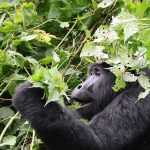
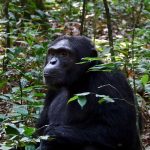
Buhoma is home to several habituated gorilla families that visitors can trek each day. These gorilla groups have undergone years of gradual habituation to become comfortable around humans while still remaining completely wild animals.
Mubare Gorilla Family
The Mubare Gorilla Family is historically significant because it was the first gorilla family opened for tourism in Uganda in 1993. This family helped establish Uganda as one of the world’s leading gorilla trekking destinations.
Trekkers visiting the Mubare group often enjoy relatively moderate hikes and excellent opportunities to observe gorilla behaviour closely.
Habinyanja Gorilla Family
The Habinyanja Gorilla Family is known for its larger group size and active social interactions. Trekking this family can sometimes involve longer hikes through dense rainforest terrain, but the experience is highly rewarding.
The family’s playful juveniles and powerful silverbacks make photography especially exciting.
Rushegura Gorilla Family
Rushegura is one of Buhoma’s most loved gorilla families because it is generally calm and sometimes remains closer to the park headquarters.
This family is often preferred by older travellers or visitors looking for slightly less demanding treks.
Katwe Gorilla Family
Katwe is among the newer gorilla families in the Buhoma sector. The trekking experience offers beautiful forest scenery and opportunities for quieter encounters away from larger visitor groups.
Each gorilla family provides a unique trekking experience because gorilla behaviour, movement patterns, and forest locations vary daily.
Muyambi Gorilla Family
This is the newest gorilla family in Buhoma sector. It was opened in 2019, with 6 members. Muyambi the head silver was once a member of the prominent Mubare gorilla family the first habituated family in Bwindi Impenetrable Forest National Park. Muyambi separated from this group to form its own.
Why Buhoma Is So Popular for Gorilla Trekking
Buhoma remains the most popular gorilla trekking sector in Bwindi for several important reasons. One major reason is its historical importance. As Uganda’s original gorilla trekking sector, Buhoma has decades of experience in conservation tourism and gorilla tracking operations. This has helped create excellent tourism infrastructure and highly experienced ranger guides. Another reason is accessibility. Compared to some southern sectors of Bwindi, Buhoma is easier to reach by road from Kampala, Entebbe, Queen Elizabeth National Park, and even Kigali in Rwanda. Domestic flights to nearby airstrips also make access more convenient for luxury travellers.
Buhoma is also known for its excellent accommodation options. The sector offers some of the best safari lodges in Bwindi ranging from luxury forest retreats to affordable budget guesthouses. Many lodges are built on elevated hillsides overlooking the rainforest canopy, providing breathtaking views. In addition to gorilla trekking, Buhoma offers several other activities including cultural tours, waterfall hikes, birdwatching, forest nature walks, Batwa cultural encounters, and community visits. This variety makes Buhoma ideal for travellers wanting more than just a single trekking activity.
Biodiversity Around Buhoma
Buhoma’s elevation and rainforest environment support incredible biodiversity. Bwindi Impenetrable National Park is recognized as a UNESCO World Heritage Site because of its ecological significance and exceptional variety of wildlife. Apart from mountain gorillas, the forest is home to chimpanzees, black-and-white colobus monkeys, L’Hoest monkeys, forest elephants, giant forest hogs, duikers, and countless smaller species. The dense vegetation and varying elevations create ideal habitats for many animals and bird species that cannot easily survive elsewhere.
Buhoma is also considered one of Africa’s best birdwatching destinations. Over 350 bird species have been recorded in Bwindi, including several Albertine Rift endemic species that are rarely found anywhere else in the world. Birdwatchers visiting Buhoma often search for species such as the African green broadbill, Shelley’s crimsonwing, handsome francolin, and Grauer’s rush warbler. The combination of primates, birds, forest ecosystems, and mountain scenery makes Buhoma one of Uganda’s richest wildlife destinations.
What to Pack for Buhoma Gorilla Trekking
Packing correctly for Buhoma is extremely important because of the mountain elevation and rainforest conditions. Travelers should prepare for cool temperatures, possible rainfall, muddy trails, and physically active hiking conditions. Waterproof hiking boots are essential because trekking paths can become slippery, especially during rainy months. Long trousers and long-sleeved shirts help protect against scratches from vegetation and insect bites. A waterproof rain jacket or poncho is highly recommended because rain showers can occur unexpectedly. Many trekkers also carry gardening gloves to help grip branches and vegetation while climbing steep sections of the forest. Other useful items include insect repellent, a waterproof backpack, camera protection gear, extra socks, sunscreen, and a reusable water bottle. Layered clothing works best because temperatures can change throughout the day depending on elevation and weather conditions.
Best Time to Visit Buhoma
Buhoma can be visited throughout the year, but travel seasons may affect trekking conditions and permit availability. The dry seasons between June to September and December to February are generally considered the best times for gorilla trekking. Because trails are less muddy and hiking conditions are easier. However, low season travel during March to May and October to November also has many advantages. During these months, the forest becomes greener and more scenic, tourist numbers decrease, and travellers often enjoy discounted accommodation rates.
Uganda has also introduced discounted low-season gorilla permits during selected months, making this period especially attractive for budget-conscious travellers. Photographers often prefer low season because the misty rainforest conditions create more dramatic images.
Accommodation in Buhoma
Buhoma offers a wide variety of accommodations suitable for different travel styles and budgets. Luxury lodges provide premium experiences with forest-view suites, fine dining, spa services, private balconies, and personalized safari services. These lodges are ideal for honeymooners and luxury travellers seeking comfort and exclusivity. Mid-range lodges remain popular among couples and small groups because they balance affordability with excellent comfort and beautiful rainforest settings.
Budget travellers can also find affordable guesthouses, campsites, and community lodges near the park headquarters. Regardless of budget, most accommodations in Buhoma benefit from stunning forest scenery because of the sector’s elevated terrain.
Tips for Visiting Buhoma
Booking gorilla permits early is extremely important because permits are limited and demand remains high throughout the year. Travelers should also prepare physically before trekking. Even moderate hikes can feel challenging due to the elevation, muddy terrain, and forest conditions.
Hiring a local porter is highly recommended. Porters help carry bags and assist trekkers on steep trails while also supporting local community livelihoods. Carrying some cash in Ugandan shillings is useful for tips, crafts, and local purchases because smaller businesses may not accept card payments. Most importantly, visitors should come prepared for an unforgettable wildlife experience unlike any other in the world.
Conclusion
Buhoma’s elevation is one of the key reasons why this sector remains one of Africa’s most extraordinary gorilla trekking destinations. Sitting at around 1,500 meters above sea level and surrounded by the mountainous rainforest terrain of Bwindi Impenetrable National Park. Buhoma offers cool temperatures, stunning scenery, rich biodiversity, and unforgettable wildlife encounters. The combination of mist-covered forests, accessible trekking routes, luxury lodges, and habituated gorilla families has made Buhoma the heart of gorilla tourism in Uganda.
Whether you are visiting for mountain gorilla trekking, birdwatching, photography, cultural experiences, or simply to explore one of Africa’s oldest rainforests. Buhoma delivers an experience that is both adventurous and deeply memorable. With proper preparation and the right safari planning, a visit to Buhoma can easily become the highlight of your African safari journey.