Epic Experiences in Africa’s Wild Heart – Serengeti National Park. The Serengeti National Park is more than just a safari destination. It’s one of the last great wildlife ecosystems on Earth. Spanning nearly 15,000 square kilometers across northern Tanzania, the Serengeti is famous for its endless savannahs. Dramatic predator–prey interactions, and the world-renowned Great Migration.
Whether you’re a first-time visitor or a seasoned safari enthusiast, the park offers a wide range of unforgettable activities that bring you face-to-face with raw, untamed nature. From classic game drives to hot air balloon safaris, here’s a detailed guide to the best activities to do in Serengeti National Park and how to make the most of your visit.
Epic Experiences in Africa’s Wild Heart – Serengeti National Park
Game Drives
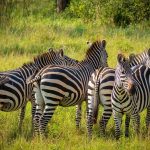
Game drives are the heartbeat of any Serengeti safari and the most popular way to explore the park. Conducted in open or pop-up roof 4×4 safari vehicles, these drives allow you to traverse vast plains while spotting wildlife in their natural habitat. Early morning and late afternoon game drives are particularly rewarding, as animals are most active during the cooler hours. You can expect to see large herds of wildebeest, zebras, giraffes, elephants, and buffalo, as well as predators such as lions, leopards, and cheetahs. With expert safari guides interpreting animal behavior and tracking movements, every drive feels like a live nature documentary unfolding before your eyes.
Witness the Great Wildebeest Migration
One of the most extraordinary wildlife spectacles on the planet, the Great Migration is a must-see activity in the Serengeti. Over two million wildebeest, accompanied by zebras and gazelles, move in a circular pattern in search of fresh grazing and water. Depending on the time of year, visitors can witness calving season in the southern Serengeti, dramatic river crossings in the north, or vast moving columns of animals across the central plains. Predators closely follow the herds, making this a thrilling time for wildlife viewing and photography.
The Great Wildebeest Migration typically takes place between June and August, marking the peak safari season in the Serengeti. During this period, visitors can expect higher numbers of tourists and safari vehicles, especially around popular river-crossing points. However, to fully enjoy this dramatic and once-in-a-lifetime spectacle, it’s highly recommended to stay in close contact with your tour operator and experienced migration observers. Their real-time updates on herd movements and crossing locations greatly increase your chances of being in the right place at the right time, ensuring a more rewarding and well-coordinated safari experience.
Hot Air Balloon Safari
For a truly magical experience, a hot air balloon safari offers a completely different perspective of the Serengeti. Taking off at dawn, you’ll silently glide above the savannah as the sun rises, casting golden light over the plains below.
From the air, you can spot wildlife including elephants, buffalo, zebra, rhinos, wildebeest, impalas, and many more. The experience usually ends with a champagne bush breakfast set up in the wild. Making it one of the most romantic and memorable activities in the park.
Walking Safaris
While most of the Serengeti is explored by vehicle. Walking safaris in permitted areas provide a more intimate connection with nature. Accompanied by an armed ranger and experienced guide, you’ll learn to read animal tracks, identify plants, and understand the smaller details of the ecosystem often missed on game drives. Walking safaris focus less on big game and more on the rhythm of the land, offering a deeper appreciation of the Serengeti’s biodiversity.
Wildlife Photography Safaris
The Serengeti is a dream destination for photographers, whether amateur or professional. The open landscapes, dramatic skies, and abundant wildlife create endless opportunities for striking images. Specialized photography safaris often include extended game drives, customized vehicles, and guides trained to position the vehicle for optimal lighting and angles. From close-ups of big cats to wide shots of migrating herds, the park offers year-round photographic inspiration.
Masai Cultural Experiences
Beyond wildlife, cultural encounters add depth to your Serengeti visit. Nearby Maasai communities offer guided village visits where you can learn about traditional pastoral lifestyles, customs, dress, and architecture. These experiences provide insight into how local communities have coexisted with wildlife for generations. Hence adding a meaningful human dimension to your safari adventure.
When to See the Big Five in Serengeti National Park
The Big Five lion, leopard, elephant, buffalo, and rhinoceros can be seen in the Serengeti throughout the year. But certain seasons improve your chances. Lions are abundant and commonly spotted year-round, especially in the central Serengeti. Elephants and buffalo are also present across the park, often seen near water sources. Leopards are more elusive but are frequently sighted in riverine areas with large trees, such as the Seronera region. Rhinos are rare but can be found in protected zones of the northern Serengeti. The dry season, from June to October, offers the best visibility as animals congregate around water, and vegetation is less dense.
Best Time to Visit Serengeti National Park for Epic Experiences in Africa’s Wild Heart – Serengeti National Park
The best time to visit the Serengeti depends on what you want to experience. The dry season (June to October) is ideal for general wildlife viewing, clear skies, and easier game spotting. This period is also perfect for seeing dramatic predator action and river crossings in the northern Serengeti. The green season (November to May) brings lush landscapes, fewer crowds, and excellent birdlife. From January to March, the southern Serengeti hosts the calving season. When thousands of wildebeest give birth, an incredible time to witness new life and intense predator activity.