How Difficult Is Gorilla Trekking in Uganda? A Complete Guide for First-Time Trekkers
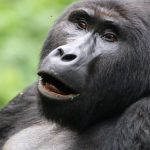
How Difficult Is Gorilla Trekking in Uganda? For many travelers, gorilla trekking is the ultimate wildlife experience in Uganda. The chance to walk through ancient rainforests and come face-to-face with endangered mountain gorillas is an adventure unlike any other. Yet before booking a permit, one question often comes to mind: How difficult is gorilla trekking in Uganda? The short answer is that gorilla trekking can be physically demanding, but it is achievable for most people with a reasonable level of fitness. The difficulty varies from one trek to another, depending on the location of the gorilla family, weather conditions, terrain, and individual fitness levels.
The good news is that visitors of different ages and fitness backgrounds successfully complete gorilla trek every day. Understanding what to expect can help you prepare properly and enjoy one of Africa’s most extraordinary wildlife experiences.
How Difficult Is Gorilla Trekking in Uganda?
What Makes Gorilla Trekking Challenging?
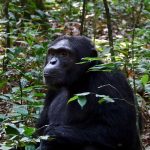
Unlike a traditional safari where wildlife is viewed from a vehicle, gorilla trekking requires visitors to hike through dense rainforest in search of a habituated gorilla family. Mountain gorillas are wild animals that move freely throughout the forest. Although trackers monitor their location daily, there is no fixed path leading directly to them. Some gorilla families may be found relatively close to the starting point, while others may travel deeper into the forest overnight. As a result, the length and difficulty of each trek can vary significantly. Several factors influence how challenging your trek may be.
Steep Terrain
Much of Uganda’s gorilla habitat is located in mountainous regions. Trekkers often encounter steep hills, narrow forest trails, muddy slopes, and uneven ground. In some areas, hikers may need to climb or descend through thick vegetation using walking sticks for support. The mountainous terrain is one reason the gorillas have remained protected from many human threats over the years.
Dense Vegetation
The forests where mountain gorillas live are often thick and impenetrable in certain sections. Park guides sometimes use machetes to clear a path through vines, shrubs, and dense undergrowth. This can make trekking more physically demanding than hiking on established trails.
Altitude
Most gorilla trekking destinations in Uganda sit at elevations ranging from approximately 1,200 to over 2,600 meters above sea level. Visitors coming from lower elevations may notice that climbing becomes more challenging due to thinner air. While altitude sickness is uncommon, the elevation can contribute to fatigue during longer treks.
Weather Conditions
Uganda’s gorilla habitats are tropical rainforests, meaning weather conditions can change quickly. Rain can occur at almost any time of year, making trails slippery and increasing the difficulty of the hike. Muddy terrain often requires extra effort and careful footing. Even during drier months, trekkers should be prepared for wet conditions.
How Long Does Gorilla Trekking Take?
One of the most unpredictable aspects of gorilla trekking is the duration. A trek can last anywhere from one hour to eight hours or more. Some groups locate their assigned gorilla family relatively quickly after entering the forest. Others may spend several hours hiking through challenging terrain before reaching the gorillas. Once the gorillas are found, visitors are allowed to spend one unforgettable hour observing them in their natural habitat. This hour often becomes the highlight of an entire trip to Uganda.
Is Gorilla Trekking Suitable for Beginners?
Yes. Many first-time hikers successfully complete gorilla treks every year. You do not need to be an athlete or experienced mountaineer. However, having a basic level of fitness will significantly improve your experience.
If you can comfortably:
- Walk for several hours
- Climb moderate hills
- Navigate uneven terrain
- Handle changing weather conditions
then you are likely capable of completing a gorilla trek.
Even older travelers regularly participate in gorilla trekking adventures. For those who may need additional assistance, porter services are available and highly recommended. Porters can help carry bags, provide support on steep sections, and make the trek more manageable while also supporting local livelihoods.
Gorilla Trekking Destinations in Uganda
Uganda is home to more than half of the world’s remaining mountain gorillas and offers two incredible destinations for gorilla trekking. Each provides a unique experience and level of difficulty.
Bwindi Impenetrable National Park
Bwindi Impenetrable National Park is Uganda’s most famous gorilla trekking destination and one of Africa’s most celebrated wildlife areas. The park’s name perfectly describes what visitors can expect. The forest is incredibly dense, ancient, and biologically diverse, with steep ridges, deep valleys, and thick vegetation. Bwindi is home to the largest population of mountain gorillas in Uganda and contains numerous habituated gorilla families available for trekking. The park is divided into four major trekking sectors:
Buhoma Sector
Located in the northern part of the park, Buhoma is the oldest and most established trekking area. It offers excellent accommodation options and is often considered one of the more accessible sectors, although difficulty still varies depending on the gorilla family’s location.
Ruhija Sector
Ruhija is known for its scenic mountain landscapes and cooler temperatures. Treks here can involve significant elevation changes, making some routes moderately challenging. The area’s breathtaking views reward the extra effort.
Rushaga Sector
Rushaga contains the largest number of habituated gorilla families in Uganda. The terrain varies widely, with some relatively accessible treks and others involving longer, steeper hikes. This sector offers a variety of trekking options for different fitness levels.
Nkuringo Sector
Nkuringo is often regarded as one of the most physically demanding sectors. The area features steep hills and dramatic mountain terrain. However, many experienced trekkers consider it one of the most rewarding regions due to its spectacular scenery and less-crowded atmosphere.
Mgahinga Gorilla National Park
Located in southwestern Uganda near the borders of Rwanda and the Democratic Republic of Congo, Mgahinga Gorilla National Park offers a different trekking experience. The park forms part of the larger Virunga Conservation Area and is characterized by volcanic landscapes, bamboo forests, and stunning mountain scenery. Because the park is smaller than Bwindi, trekking experiences can feel more intimate and less crowded. The terrain can still be demanding, particularly when hiking through volcanic slopes, but many visitors appreciate the dramatic scenery and unique setting. Mgahinga is also the only place in Uganda where visitors can combine gorilla trekking with opportunities to track golden monkeys.
Which Gorilla Trekking Destination Is Easier?
There is no guaranteed “easy” destination because gorillas move freely through the forest. A family located close to the trailhead one day may travel much farther overnight.
That said:
- Buhoma and some areas of Rushaga are often considered suitable for visitors seeking potentially less strenuous treks.
- Nkuringo generally presents more challenging terrain.
- Ruhija offers moderate to challenging hikes with beautiful mountain views.
- Mgahinga combines moderate trekking with volcanic landscapes.
Park authorities often assign gorilla groups based partly on visitors’ age and fitness levels, helping ensure a more comfortable experience.
How to Prepare for Gorilla Trekking
Proper preparation can make a significant difference. Before your trek:
Improve Your Fitness
In the weeks leading up to your trip, consider:
- Walking regularly
- Hiking local trails
- Climbing stairs
- Performing light cardio exercises
Even modest preparation can make the trek feel much easier.
Pack Appropriate Clothing
- Waterproof hiking boots
- Long-sleeved shirts
- Long trousers
- Rain jacket
- Gardening or trekking gloves
- Thick hiking socks
- Insect repellent
- Reusable water bottle
Hire a Porter
Many visitors underestimate how helpful a porter can be. For a relatively small fee, a porter can carry your backpack, assist on difficult sections, and provide valuable support throughout the trek.
How Difficult Is Gorilla Trekking in Uganda?
Is Gorilla Trekking Worth the Physical Effort?
For most travelers, the answer is an overwhelming yes. The hike may involve muddy trails, steep climbs, and moments of exhaustion. Yet those challenges often make the final encounter even more meaningful. Standing quietly among a family of mountain gorillas as they feed, play, and interact just a few meters away is an experience that few wildlife encounters can match. The trek itself becomes part of the story a journey through one of Africa’s most beautiful forests leading to a rare and unforgettable meeting with one of our closest relatives in the animal kingdom. While gorilla trekking in Uganda is not always easy, the rewards far outweigh the effort. For many visitors, it becomes the single most memorable experience of their travels and a highlight they talk about for years to come.