Why Protect Mountain Gorillas and Their Natural Habitats in Uganda and Rwanda?
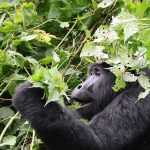
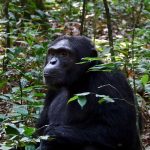
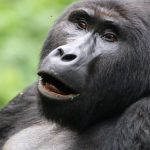
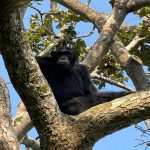
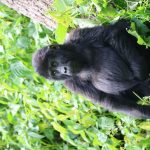
Why Protect Mountain Gorillas and Their Natural Habitats. Mountain gorillas are among the world’s most extraordinary wildlife species and one of Africa’s greatest conservation success stories. Found only in the mist-covered forests of Uganda, Rwanda, and the Democratic Republic of Congo, these gentle giants share approximately 98% of their DNA with humans, making them one of our closest living relatives. Their intelligence, strong family bonds, and remarkably human-like behavior have captivated travelers, researchers, and conservationists for decades.
Today, mountain gorillas are more than just an iconic tourist attraction. They are a symbol of hope, proving that conservation efforts, responsible tourism, and community involvement can work together to protect endangered wildlife. Every visitor who embarks on a gorilla trekking adventure contributes directly to safeguarding these magnificent primates. And the ancient forests they call home. Protecting mountain gorillas goes far beyond saving a single species. It means preserving biodiversity, supporting local communities, combating climate change, and ensuring that future generations can continue to experience one of the world’s most unforgettable wildlife encounters.
Why Protect Mountain Gorillas and Their Natural Habitats in Uganda and Rwanda?
Mountain Gorillas Are Found Nowhere Else on Earth
Unlike many other primates, mountain gorillas have an incredibly limited range. They inhabit only the high-altitude forests of the Virunga Mountains and Uganda’s Bwindi Impenetrable Forest. This small distribution makes them particularly vulnerable to habitat loss, disease, climate change, and human activities. Uganda is home to more than half of the world’s remaining mountain gorilla population, with families living in the dense forests of Bwindi Impenetrable National Park and the Mgahinga Gorilla National Park. Across the border in Rwanda, Volcanoes National Park protects several habituated gorilla families that attract thousands of visitors every year. Because their habitat is so limited, every acre of protected forest plays a vital role in the survival of the species. Once these forests disappear, there is nowhere else mountain gorillas can naturally relocate.
Protecting Forests Protects Entire Ecosystems
Mountain gorillas are often described as an umbrella species because protecting their habitat also safeguards countless other plants and animals that depend on the same forests. The montane rainforests of Uganda and Rwanda are among Africa’s richest ecosystems. These forests provide shelter for forest elephants, golden monkeys, chimpanzees, hundreds of bird species, butterflies, amphibians, and thousands of unique plant species. Healthy forests also protect rivers and streams that supply clean water to surrounding communities. They stabilize mountain slopes, reduce soil erosion, regulate local climates, and store significant amounts of carbon, helping reduce the effects of global climate change. By conserving gorilla habitats, governments and conservation organizations are preserving entire ecosystems that support both wildlife and people.
Mountain Gorilla Conservation Supports Local Communities
One of the greatest achievements of mountain gorilla conservation is its ability to improve livelihoods while protecting wildlife. In both Uganda and Rwanda, revenue generated from gorilla trekking permits helps fund national park management, anti-poaching patrols, veterinary care, conservation research, and habitat restoration. A portion of tourism revenue is also invested directly into neighbouring communities through schools, health centers, clean water projects, roads, and community development initiatives. Many local residents now work as park rangers, guides, trackers, porters, lodge staff, drivers, artisans, and cultural performers. These employment opportunities provide sustainable alternatives to activities such as illegal logging, hunting, or encroachment into protected forests. When communities benefit economically from conservation. They become active partners in protecting mountain gorillas rather than competing with them for natural resources.
Gorilla Trekking Creates a Powerful Incentive for Conservation
Responsible gorilla tourism has transformed wildlife conservation in East Africa. Every gorilla trekking permit purchased contributes directly to the protection of mountain gorillas and their habitats. Instead of exploiting forests for short-term gains. Uganda and Rwanda have demonstrated that preserving wildlife can generate long-term economic benefits through sustainable tourism. Strict trekking regulations help minimize disturbance to gorillas while ensuring visitors enjoy meaningful and respectful wildlife encounters. Group sizes are limited, viewing time is carefully controlled, and trained guides ensure visitors follow conservation guidelines throughout the trek. This model has become one of the world’s leading examples of ecotourism supporting endangered species conservation.
Mountain Gorillas Face Ongoing Threats
Although mountain gorilla populations have shown encouraging growth in recent decades, they continue to face numerous challenges that require constant conservation efforts.
Habitat Loss
Growing human populations increase the demand for farmland, settlements, and natural resources. Without protected national parks, forests could be cleared for agriculture or development, leaving gorillas with nowhere to live.
Disease Transmission
Because mountain gorillas are so closely related to humans, they are highly susceptible to many human illnesses, including respiratory infections. Even a common cold can pose serious health risks to an entire gorilla family. For this reason, visitors are required to maintain a safe distance, wear masks when necessary, and avoid trekking if they are feeling unwell.
Climate Change
Changing rainfall patterns and rising temperatures may gradually alter the forests that mountain gorillas depend upon for food and shelter. Long-term conservation planning now includes climate resilience to help protect these fragile ecosystems.
Illegal Activities
Although poaching specifically targeting mountain gorillas has declined significantly, snares set for other wildlife can still injure gorillas. Illegal logging and encroachment also remain ongoing concerns in some areas, making continued law enforcement and community engagement essential.
Why Uganda and Rwanda Lead Gorilla Conservation
Uganda and Rwanda have become global leaders in wildlife conservation through strong government policies, international partnerships, scientific research, and sustainable tourism management.
Regular gorilla monitoring, veterinary interventions, habitat protection, ranger patrols, and community conservation programs have all contributed to the gradual recovery of mountain gorilla populations. Organizations, researchers, local communities, and wildlife authorities continue working together to ensure these achievements are maintained for generations to come. This collaborative approach demonstrates that conservation is most successful when wildlife protection and community development go hand in hand.
How Tourists Help Protect Mountain Gorillas
Every responsible traveler plays an important role in mountain gorilla conservation.
- By choosing licensed tour operators, staying in locally owned lodges, hiring community guides and porters, and following park regulations during gorilla trekking, visitors directly contribute to the long-term protection of these endangered primates.
- Simple actions, such as avoiding litter, respecting wildlife viewing distances, and supporting local conservation initiatives. Help preserve both the gorillas and their fragile forest homes.
- Tourism becomes more than a holiday it becomes a meaningful investment in one of the world’s greatest conservation successes.
The Future of Mountain Gorilla Conservation
The recovery of mountain gorillas offers hope for endangered species around the world. Decades ago, many feared these remarkable primates would disappear forever. Today, thanks to dedicated conservation efforts, their population has steadily increased, proving that collaboration between governments, conservation organizations, local communities, researchers, and responsible travelers can reverse the decline of endangered wildlife. However, conservation is an ongoing commitment rather than a completed mission. Continued investment in habitat protection, scientific research, sustainable tourism, education, and community development will be essential to securing the future of mountain gorillas in Uganda and Rwanda.
Why Protecting Mountain Gorillas Matters
Protecting mountain gorillas is about far more than saving an endangered species. It is about preserving ancient forests, supporting biodiversity, creating sustainable livelihoods, strengthening local economies, and inspiring future generations to value the natural world. For visitors fortunate enough to stand quietly before a mountain gorilla family in the forests of Uganda or Rwanda. The experience is deeply moving. Watching a silverback calmly watch over his family or seeing playful young gorillas interact in the forest reminds us how closely connected humans are to nature. Every protected forest, every conservation initiative. And every responsible gorilla trek helps ensure that these extraordinary primates continue to thrive in their natural habitat. By protecting mountain gorillas today, we preserve one of Africa’s greatest wildlife treasures and leave a lasting legacy for generations to come.