Is Gorilla Trekking Safe? One of the most common questions travelers ask before booking a gorilla safari is: Is gorilla trekking safe? The short answer is yes. Gorilla trekking is generally considered a safe wildlife experience when conducted through authorized national parks and under the supervision of trained guides and rangers. Thousands of visitors trek to see mountain gorillas every year in Uganda and Rwanda without incident. However, like any adventure in the wilderness, gorilla trekking comes with certain risks and safety guidelines that every visitor should understand before setting off into the forest.
Vibrant Holiday Safaris has carefully crafted an explanation why gorilla trekking is safe, the precautions taken to protect visitors, and what you can do to ensure a safe and enjoyable experience.
Is Gorilla Trekking Safe?
Why Gorilla Trekking Is Considered Safe
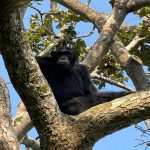
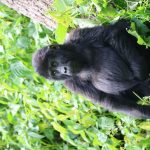
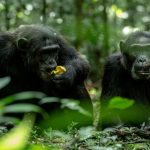
Mountain gorillas are among the most carefully monitored wildlife species in Africa. The gorilla families visited by tourists are habituated, meaning they have undergone years of gradual exposure to humans under the supervision of researchers and conservation teams. Habituation helps gorillas become comfortable with the presence of people while still maintaining their natural behaviors. In addition, every trekking group is accompanied by experienced guides, armed rangers, and trackers who monitor gorillas every day. Their knowledge of gorilla behavior and forest conditions helps ensure the safety of both visitors and the mountain gorillas.
Are Mountain Gorillas Dangerous?
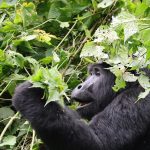
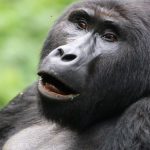
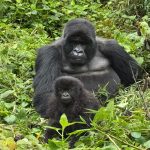
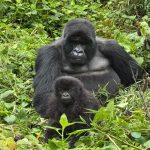
Mountain gorillas are powerful wild animals. An adult silverback can weigh over 180 kilograms and possesses immense strength. However, they are generally gentle and non-aggressive when left undisturbed. Most gorillas show little interest in human visitors and continue feeding, resting, grooming, or interacting with members of their family during encounters. Occasionally, a silverback may display protective behavior if it feels threatened. These displays can include chest beating, vocalizations, or mock charges. While such actions may appear intimidating, they are usually intended to establish authority rather than cause harm. And if this happens you are advised to keep calm, stay in one place and avoid using flash cameras. This is why following guide instructions at all times is extremely important.
The Safety Rules That Protect Visitors
Before entering the forest, all trekkers receive a briefing on gorilla trekking rules. These rules are designed to minimize risks and create a safe environment for both humans and gorillas.
Some of the key rules include:
- Maintain a distance of at least seven meters from the gorillas whenever possible.
- Avoid making sudden movements.
- Speak quietly during the encounter.
- Do not eat or drink near the gorillas.
- Never attempt to touch a gorilla.
- Follow the instructions of guides and rangers at all times.
These simple precautions significantly reduce the chances of problems during the trek.
What Happens If a Gorilla Approaches You?
Many visitors are surprised to learn that gorillas do not always respect the seven-meter distance rule. Young gorillas, in particular, can be curious and may occasionally move closer to visitors. In some cases, a gorilla may walk right past a trekking group. If this happens, the best thing to do is remain calm and avoid sudden movements. Do not run, touch the gorilla, or attempt to move closer for a photograph. Your guides will advise you on how to respond and in most situations the gorilla will simply continue to its way.
How Rangers Keep Trekkers Safe
One reason gorilla trekking has such an excellent safety record is the presence of trained park personnel. Before tourists begin trekking, trackers head into the forest to locate the gorilla family. Throughout the day, they remain in communication with guides to monitor the gorillas’ location and behavior. Armed rangers also accompany trekking groups. While mountain gorillas themselves are rarely a threat, rangers provide additional security in the forest and are trained to handle unexpected situations involving wildlife or terrain. Their presence offers reassurance, particularly for first-time visitors.
Health and Safety Precautions
Protecting gorillas from human diseases is one of the biggest priorities during trekking activities. Because humans share approximately 98 percent of their DNA with gorillas, illnesses can spread between the two species.
For this reason:
- Visitors who feel unwell should postpone their trek.
- Sneezing or coughing near gorillas should be avoided.
- Face masks may be required in some circumstances.
- Good hygiene practices are strongly encouraged.
These measures help ensure the long-term survival of endangered mountain gorillas.
Is Gorilla Trekking Physically Safe?
The greatest challenge for most visitors is not the gorillas it is the hike itself. Gorilla habitats are located in mountainous rainforests with steep slopes, uneven terrain, thick vegetation, and muddy trails. Treks can last anywhere from one hour to several hours depending on the location of the gorilla family.
To reduce the risk of injury:
- Wear sturdy hiking boots.
- Carry sufficient drinking water.
- Use a walking stick if provided.
- Dress appropriately for changing weather conditions.
- Take your time and walk at a comfortable pace.
Most people with a reasonable level of fitness can successfully complete a gorilla trek.
Safety Tips for First-Time Gorilla Trekkers
If you’re preparing for your first gorilla safari, consider the following tips:
Hire a Porter
Porters help carry bags and provide support on steep trails. They can make the trek much easier while supporting local communities.
Follow Instructions Carefully
Guides understand gorilla behavior better than anyone. Their advice should always be followed.
Wear Proper Clothing
Long trousers, long-sleeved shirts, waterproof gear, and hiking boots provide protection against insects, thorny vegetation, and wet conditions.
Stay Hydrated
The trek can be physically demanding, especially in warm and humid conditions.
Respect Wildlife
Remember that you are visiting the gorillas in their natural habitat. Respecting their space helps ensure a safe experience for everyone.
Final Verdict: Is Gorilla Trekking Safe?
Yes, gorilla trekking is one of the safest wildlife experiences available in Africa when conducted through authorized national parks and reputable tour operators. Strict regulations, experienced guides, daily gorilla monitoring, and well-established conservation programs all contribute to a safe environment for visitors. While the trek itself may involve physical challenges, the chances of encountering problems with mountain gorillas are extremely low when safety guidelines are followed. For many travelers, standing face-to-face with a mountain gorilla becomes the highlight of their African adventure a powerful, unforgettable encounter that is both safe and deeply rewarding. If you’re considering a gorilla safari in Uganda or Rwanda, there’s no need to let safety concerns stop you. With proper preparation and guidance, gorilla trekking can be one of the most remarkable wildlife experiences you’ll ever have.