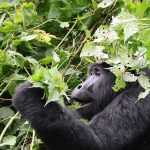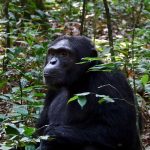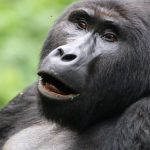
Gorilla Trekking In Uganda. Does Gorilla Trekking Help Conservation? Many travelers planning a trip to East Africa ask an important and responsible question: Does gorilla trekking truly help conservation? With growing awareness around ethical tourism and wildlife protection, visitors want to ensure their experiences contribute positively rather than cause harm. The encouraging truth is that gorilla trekking is widely regarded as one of the most successful conservation tourism models in the world. When properly managed, it plays a vital role in protecting endangered mountain gorillas, preserving their habitat, and supporting local communities.
To understand why, it helps to look at both the history of mountain gorilla conservation and how tourism directly contributes to their survival today.
Does Gorilla Trekking Help Conservation?
A Species Once on the Brink of Extinction
In the 1960s, mountain gorillas were facing a severe crisis. Poaching, habitat destruction, and political instability had reduced their numbers dramatically. At one point, scientists estimated that only around 240 mountain gorillas remained in the wild. Their survival was uncertain.
American primatologist Dian Fossey brought global attention to their plight through her groundbreaking research in the Virunga Mountains. Her dedication helped the international community understand the urgency of protecting these great apes. Over time, governments in the region took action. Uganda established Bwindi Impenetrable National Park and Mgahinga Gorilla National Park. Rwanda strengthened conservation efforts in Volcanoes National Park, and conservation continued in Virunga National Park in the Democratic Republic of Congo.
Today, thanks to coordinated conservation efforts strongly supported by tourism revenue, the mountain gorilla population has grown to over 1,000 individuals. While they remain endangered, they are one of the only great ape species whose numbers are increasing.
Funding Park Management and Protection
One of the most direct ways gorilla trekking supports conservation is through permit revenue. Gorilla trekking permits are intentionally limited and priced at a premium. This high-value, low-volume approach ensures that tourism generates meaningful funding without overwhelming the gorillas or their habitat.
A significant portion of permit fees goes directly to national park authorities. These funds cover ranger salaries, park operations, infrastructure maintenance, and conservation planning. Rangers monitor gorilla families daily, track their movements, and ensure that tourism guidelines are strictly followed. Without this steady stream of revenue, maintaining such intensive protection would be extremely difficult.
Supporting Anti-Poaching Efforts
Although mountain gorillas are no longer widely hunted for bushmeat, poaching remains a threat. Snares set for other wildlife, such as antelope, can seriously injure or kill gorillas. Young gorillas are particularly vulnerable to these traps.
Tourism revenue helps fund anti-poaching patrols and snare removal programs. Rangers conduct regular forest sweeps, dismantle illegal traps, and monitor suspicious activity. In some regions, especially parts of the Democratic Republic of Congo, rangers work under dangerous conditions to protect wildlife. The income generated by trekking permits ensures that these frontline conservation heroes are equipped, trained, and supported.
Protecting and Restoring Gorilla Habitats
Mountain gorillas live in densely populated regions where agricultural expansion and human settlement continue to pressure forest boundaries. As communities grow, the demand for farmland, firewood, and charcoal increases, leading to habitat fragmentation.
Gorilla trekking makes forests economically valuable. When protected areas generate revenue through tourism, governments and communities have a stronger incentive to conserve them. Funds from trekking permits are used to maintain park boundaries, restore degraded forest areas, and support long-term land management planning. In some cases, reforestation initiatives help rebuild buffer zones between communities and gorilla habitats.
By turning intact forests into a sustainable source of income, tourism helps prevent further habitat destruction.
Research, Monitoring, and Veterinary Care
Effective conservation relies on science. Researchers and trained trackers carefully monitor every habituated gorilla family. Tourism revenue helps fund long-term research programs that track population growth, monitor births and deaths, and identify emerging threats.
Because mountain gorillas share approximately 98 percent of their DNA with humans, they are highly susceptible to human diseases. Respiratory infections, flu viruses, and other illnesses can spread quickly among gorilla groups. For this reason, strict trekking rules are enforced by Uganda Wildlife Authority, including maintaining a minimum distance and limiting visits to one hour.
Tourism also supports veterinary teams such as Gorilla Doctors, who provide medical intervention when necessary. Veterinarians treat injured gorillas and closely monitor disease outbreaks. This level of healthcare would not be possible without funding from conservation tourism.
Creating Economic Opportunities for Local Communities
Conservation cannot succeed without local community support. People living near national parks must see tangible benefits from protecting wildlife. Gorilla trekking provides thousands of employment opportunities in the surrounding communities.
Residents work as rangers, guides, trackers, porters, lodge staff, drivers, and craft vendors. Hiring a porter during a trek not only enhances the visitor experience but also directly supports a family’s livelihood. Tourism income reduces reliance on activities such as illegal logging or poaching.
In addition, revenue-sharing programs allocate a percentage of park income to community development projects. These funds help build schools, health clinics, water systems, and roads. When communities benefit directly from conservation, they become active partners in protecting gorillas.
Education and Conservation Awareness
Gorilla trekking also plays an important educational role. Visitors leave with a deeper understanding of the challenges facing mountain gorillas and the importance of conservation. Seeing a gorilla family in its natural habitat creates a powerful emotional connection that often inspires long-term support for wildlife protection.
Local communities also benefit from conservation education programs funded through tourism. These initiatives teach sustainable land-use practices, promote environmental stewardship, and foster pride in protecting a globally significant species.
Addressing Ongoing Threats
Despite remarkable progress, mountain gorillas still face serious threats. Habitat loss remains a concern as agricultural expansion continues around park boundaries. Human encroachment can disrupt natural behaviors and limit gorilla movement.
Disease transmission is another ongoing risk. Increased human-gorilla interaction requires strict health protocols to minimize exposure. Civil unrest in certain regions, particularly in eastern Congo, can complicate conservation efforts and endanger both wildlife and rangers.
However, the structured and carefully managed nature of gorilla tourism helps address these challenges. By limiting visitor numbers and enforcing strict guidelines, authorities reduce stress on gorilla families while maximizing conservation funding.
A Model for Sustainable Tourism
Does Gorilla Trekking Help Conservation? Gorilla trekking is often cited as a global example of sustainable tourism done right. Its success is built on several key principles: limited daily permits, strong regulation, community involvement, scientific oversight, and reinvestment of revenue into conservation.
This approach ensures that tourism supports long-term protection rather than short-term profit. Travelers are not simply observers; they are contributors to a conservation system that has proven effective.
The recovery of mountain gorillas from near extinction to a population of over 1,000 individuals demonstrates that responsible tourism can make a measurable difference.
The Bigger Impact of Your Trek
When a traveler purchases a gorilla trekking permit, the impact extends far beyond a single hour spent observing a gorilla family. That permit helps pay a ranger’s salary, funds anti-poaching patrols, supports veterinary care, and contributes to community development projects. It reinforces the importance of preserving forests and protecting wildlife.
Gorilla trekking transforms conservation from an abstract concept into a shared responsibility. It creates a system that benefits wildlife, local communities, governments, and travelers alike.
Conclusion: Does Gorilla Trekking Help Conservation?
When properly managed, gorilla trekking plays a critical and positive role in conservation. It provides essential funding for park management, anti-poaching patrols, habitat restoration, research, and veterinary care. It creates employment opportunities and channels revenue into community development. Most importantly, it gives the mountain gorillas ongoing protection and a stronger chance of survival.
The mountain gorilla’s recovery is one of conservation’s greatest success stories. Continued responsible tourism, combined with strong conservation policies and community partnerships, will be essential to ensuring that this iconic species thrives for generations to come.