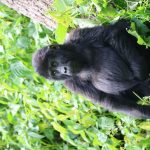
Comparing Gorilla and Chimpanzee Habituation Experiences in Bwindi and Kibale. Uganda is often referred to as the “Pearl of Africa,” and for good reason. Few countries offer such rich biodiversity, particularly when it comes to primates. Two standout experiences for any wildlife enthusiast are the gorilla habituation experience in Bwindi Impenetrable National Park and the chimpanzee habituation experience in Kibale Forest National Park. While both experiences allow visitors to engage more intimately with our closest animal relatives, they are distinct in setting, structure, emotion, and encounter.
Comparing Gorilla and Chimpanzee Habituation Experiences
The Essence of Habituation: What It Really Means
Habituation is the process through which wild primates gradually become accustomed to the presence of humans without altering their natural behaviors. Unlike standard trekking, where tourists spend about an hour observing already habituated groups. The habituation experiences in both Bwindi and Kibale allow visitors to spend up to four hours with primates still undergoing the habituation process. This extended time fosters a more raw, unfiltered, and sometimes unpredictable interaction with the animals. It’s the closest one can come to stepping into the life of a primatologist—without the degree.
Gorilla Habituation in Bwindi Impenetrable Forest National Park
Bwindi Impenetrable National Park, located in southwestern Uganda, is a UNESCO World Heritage Site blanketed in thick, misty rainforest and rugged terrain. Home to about half of the world’s remaining mountain gorillas, it offers a rare chance to be part of their gradual journey into human tolerance. The gorilla habituation experience is only available in the Rushaga and Nkuringo sectors, which lie in the southern part of the park.
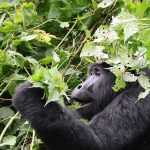
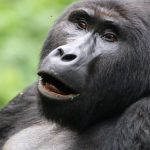
The trek begins early, often before sunrise, with a briefing at the park headquarters. Accompanied by researchers, trackers, and armed rangers, you set off through dense jungle that lives up to its name, “impenetrable.” The terrain is tough, with vines, roots, and steep inclines testing your endurance. But the reward? An emotional, almost spiritual experience. Watching a silverback beat his chest or a baby gorilla curiously approach while its mother watches cautiously from behind a tree is profoundly humbling.
These gorillas are not fully accustomed to human presence, which means encounters may involve more distance, more movement, and more uncertainty, but that’s what makes it authentic. You become a passive observer of a real-life, unscripted wildlife documentary, witnessing interactions within the troop that few ever get to see.
Chimpanzee Habituation in Kibale Forest National Park
In contrast, Kibale Forest National Park, located in western Uganda, offers a very different flavor of primate interaction. Dubbed the “Primate Capital of the World,” Kibale is home to 13 primate species, but it’s most famous for its large and lively chimpanzee population. The forest here is more open and less rugged than Bwindi, making the trekking experience generally easier, although still demanding.
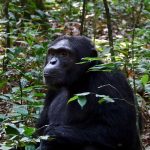
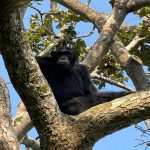
Chimpanzee habituation starts early, sometimes as early as 6:00 AM, when the forest is just waking up. The sounds are incredible: birds calling, insects buzzing, and then, unmistakably, the loud, shrieking hoots of chimpanzees communicating across the canopy. Unlike gorillas, chimpanzees are highly mobile, social, and loud. Tracking them involves following the group as they swing through trees, descend to the forest floor, groom, forage, or even squabble. Because chimps are more interactive and animated. This habituation experience often feels more fast-paced and chaotic than the contemplative quiet of Bwindi.
Comparing the Two: Stillness vs. Chaos, Emotion vs. Intellect
Gorilla Habituation
Gorilla habituation in Bwindi feels sacred. There’s a reverence in the silence, a deep emotional connection that builds as you sit quietly and watch these gentle giants. The forest feels ancient, the pace slow, and the atmosphere heavy. You feel like a guest in a kingdom ruled by a peaceful, powerful monarch.
Chimpanzee habituation
Chimpanzee habituation in Kibale Forest National Park, by contrast, is thrilling. It’s a sensory overload, the fast-paced movement, the hooting and drumming, the complex social structures playing out before your eyes. You feel like you’ve dropped into a jungle city at rush hour, alive with gossip, conflict, affection, and mischief. It’s less about awe and more about intrigue.
Physically, both experiences require a reasonable level of fitness, but Bwindi’s terrain is generally steeper and more challenging. However, the reward in both cases is well worth the effort. You walk away from each with not just photos, but a deeper appreciation of what it means to coexist with creatures so closely linked to our own evolutionary story.
Which Should You Choose?
If time and budget allow, doing both is the dream scenario. But if you have to choose, let your personality guide you. If you’re drawn to quiet observation, introspection, and spiritual moments in nature. Gorilla habituation in Bwindi may speak to your soul. If you love dynamic energy, rapid movement, and the drama of social interaction, chimpanzee habituation in Kibale is likely to excite your curiosity.
Ultimately, both experiences are once-in-a-lifetime opportunities that go far beyond tourism. They are a chance to become part of something larger, conservation, research, and a growing understanding between species. Whether sitting in stillness with a gorilla or laughing at the antics of a playful chimp, you’ll walk away changed.
Tips for Both Experiences
- Wear long sleeves, waterproof hiking boots, and bring gloves for grabbing vegetation.
- Carry snacks, water, and a good rain jacket—rain is always a possibility.
- Pack light but include insect repellent, binoculars, and a camera (no flash).
- Most importantly, come with patience, respect, and a sense of wonder.
Conclusion
Comparing Gorilla and Chimpanzee Habituation Experiences. Gorilla and chimpanzee habituation experiences in Uganda offer an unmatched window into the lives of our closest wild relatives. Bwindi and Kibale present not just contrasting environments, but complementary stories in the grand narrative of primate behavior. Whether you choose the quiet power of mountain gorillas or the wild symphony of chimpanzees. You’re in for an experience that’s not just unforgettable, it’s transformative.