Bird Watching in Kibale Forest National Park
Kibale Forest National Park is widely celebrated as the primate capital of East Africa, but beyond its famous chimpanzees lies another treasure that often surprises visitors and that’s the extra ordinally birdlife. The park is blessed with over 375 recorded bird species. Kibale Forest is among Uganda’s most rewarding birding destinations. It offers both seasoned birders and casual nature lovers a deeply immersive rainforest experience.
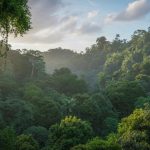
The parks unique blend of tropical rainforest, swamp and grassland habitats creates ideal conditions for a remarkable variety of resident and migratory bird. Whether you are walking along forest trails, exploring wetlands or venturing into nearby community areas. Kibale delivers unforgettable birding moments at every turn.
Why Kibale National Park is a Birding Hotspot
Kibale’s biodiversity is one of the richest in East Africa due to its location in a transitional zone between lowland and montane forests. This ecological diversity allows both Central African and East African bird species to coexist in the same ecosystem.
Unlike more open savannah parks, Kibale offers a dense canopy environment where many species are seen at eye level or above in the forest layers. This makes birding here more challenging but also more rewarding, as many species are rare, localized, or forest specialists.
Birding in Kibale is also enhanced by its relatively accessible trail network and the presence of experienced local guides who are skilled at identifying bird calls and movements in dense vegetation.
Key Bird Species in Kibale National Park
Bird watchers visiting Kibale can expect to encounter a wide range of forest species, including some of Africa’s most sought after birds.
Some of notable species include:
- African grey parrot
- Yellow spotted Nicator
- Green breasted Pitta
- Black Bee-eater
- Blue breasted Kingfisher
- White naped Pigeon
- Purple headed Starling
- Olive Long-tailed Cuckoo
- African Pitta
- Yellow rumped Tinkerbird
To mention but a few. The most sought after is the elusive Green-breasted pitta. A highly sought after species that attracts bird enthusiasts from around the world. Although difficult to spot due to its shy nature and dense habitat preference. Kibale remains one of the best places to attempt a sighting.
Best time for Birdwatching in Kibale National Park
Birding in Kibale Forest National Park is possible all year round, but the best conditions are typically during the rainy seasons from March to May and September to November. During these months, food availability is high and bird activity increases significantly.
The breeding season is particularly rewarding because birds are more vocal and easier to locate. Migratory species also visit during certain times of the year, adding to the diversity.
Early mornings are the most productive time for bird watching. The forest is alive with calls, and many species are actively feeding or establishing territories.
Birding Habitats within Kibale Forest National Park
Kibale’s diverse ecosystems support different bird communities, making it an excellent destination for varied birding experiences.
Tropical Rainforest
The main forest area is heart of Kibale’s birding experience. The dense canopy and understory host many forest specialists such as turacos, greenbuls, and hornbills. Birding here often requires patience, keen listening skills, and guidance of experienced trackers.
Swamp and Wetland Areas
The bigodi wetland sanctuary located near the park boundary is a prime birding extension of Kibale. This community managed wetland is home to species such as the papyrus gonolek, great blue turaco, not forgetting various weavers and kingfishers. Wetland areas are generally more open, hence making bird sightings easier and more photographic opportunities available.
Forest edge and Farmlands
The edge of Kibale Forest National Park offers a mix of forest and agricultural landscapes. These transitional zones attract a variety of birds, including sunbirds, starlings, and raptors. Birding here provides a contrast to deep forest exploration and often yields unexpected sightings.
Bird watching activities and Guided walks
Birding in Kibale Forest National Park is best done with the assistance of trained guides who understand the parks complex eco systems. Guided bird walks typically start early in the morning or late in the afternoon when bird activity is highest.
Popular birding routes include:
- Kanyanchu Visitor Area trails
- Forest interior walking circuits
- Bigodi Wetland Sanctuary boardwalks
- Community forest edges
Guides help visitors identify bird calls, spot camouflaged species, and understand behavioural patterns that are often missed by untrained eyes.
For serious birders, full-day birding excursions can be arranged, combining forest and wetland habitats for maximum species diversity.
What to Bring for Bird Watching in Kibale National Park
Proper preparation can greatly enhance your birding experience in Kibale National Park. Essential items include:
- Binoculars (essential for canopy birding)
- Field guide or bird identification app
- Camera with zoom lens for photography
- Lightweight, neutral-colored clothing
- Waterproof jacket (weather can change quickly)
- Comfortable walking shoes or boots
- Insect repellent
- Notebook for recording sightings
Conservation and Responsible Birding
Bird watching in Kibale Forest National Park plays an important role in conservation. The park is managed in collaboration with Uganda Wildlife Authority. This works to protect biodiversity while supporting eco tourism initiatives.
- Responsible birding tips;
- Keep respectful distance from wildlife
- Avoid loud noises that may disturb birds
- Stay on designated trails
- Do not feed or petty the birds
- Support local community conservation projects