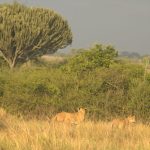
Unveiling the majestic giraffe. In the wide-open spaces of the African savannah, where the sun paints the sky with golden hues and tall acacia trees reach for the clouds. There lives a remarkable animal that captures our sense of wonder: the giraffe. With its incredibly long neck, beautiful spotted coat, and big, soulful brown eyes. The giraffe is truly a sight to see. These tall creatures are not just interesting to look at; they also represent grace, strength, and the ability to adapt.
As Unveiling the majestic giraffe, we learn about their special traits, their interesting social lives, and how they survive in the wild. Despite their long legs, giraffes can run surprisingly fast, reaching speeds of up to 35 miles per hour. They also communicate with each other using various sounds, from soft moans to deep grunts, showcasing their unique ways of connecting.
But giraffes play a much bigger role in their environment, too. As plant-eaters, they munch on leaves and fruit from tall trees, helping to spread seeds and keep plant life thriving. Their long necks let them access food that other animals can’t reach, making them an essential part of life in the savannah. All these qualities make giraffes not just fascinating animals but vital members of their ecosystem.
Unveiling the Majestic Giraffe
Characteristics of Giraffes
Long Neck
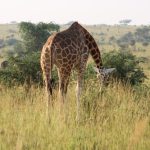
Giraffes are renowned for their exceptionally long necks. Which enable them to reach high branches and leaves that other animals cannot access. Their necks typically measure around 6 feet (1.8 meters) long. Allowing them to browse on treetops and exploit a food source that is abundant but otherwise out of reach. This remarkable adaptation not only aids in feeding. But also provides giraffes with a vantage point to spot predators from a distance. The long neck is supported by powerful muscles and vertebrae that are specially adapted to support the weight and length of the neck.
Spotted Coat
The spotted coat of a giraffe is one of its most distinctive features, serving both as camouflage and as a means of identification. Each giraffe’s coat pattern is unique, much like human fingerprints, with spots varying in size, shape, and color. These spots can range from light tan to dark brown, and their patterns differ among the various subspecies of giraffes. The coat not only helps giraffes blend into their surroundings but also plays a role in thermoregulation and may have social significance in communication and recognition among individuals.
Large Eyes
Giraffes have large, expressive eyes that provide them with excellent vision, crucial for spotting predators and navigating their environment. Their eyes are positioned on the sides of their head, giving them a wide field of vision and helping them detect movement from various angles. This wide-ranging vision is essential for survival in the wild. Where the ability to see predators like lions or hyenas from a distance can mean the difference between life and death. The large eyes also contribute to their keen sense of awareness, allowing them to monitor their surroundings effectively.
Powerful Legs
Giraffes are equipped with powerful legs that enable them to run at impressive speeds and deliver strong kicks when threatened. Their legs are long and muscular, allowing them to achieve speeds of up to 35 miles per hour (56 kilometers per hour) over short distances. When faced with predators, giraffes can use their legs to deliver powerful kicks, which can be strong enough to deter or even incapacitate an attacker. The strength and speed of their legs are vital for both escaping danger and defending themselves when necessary.
High Blood Pressure
Giraffes have a unique physiological adaptation to cope with the challenges of their long necks: high blood pressure. To pump blood up to their brains against gravity, giraffes need a powerful cardiovascular system that generates higher blood pressure than most other mammals. This adaptation ensures that their brains receive sufficient oxygen and nutrients despite the distance from the heart. While high blood pressure might seem like a disadvantage. It is a necessary adaptation for giraffes to maintain their distinctive stature and feeding habits.
Social Behavior
Giraffes are social animals that often live in groups known as “tows.” These groups typically consist of females and their young, while males may wander on their own or form bachelor groups. Within these social structures, giraffes engage in various behaviors such as grooming and social bonding. Social interactions are crucial for maintaining group cohesion and ensuring the safety and well-being of individuals. Giraffes also use a range of vocalizations and body language to communicate with each other, further strengthening their social bonds.
Adaptation to Environment
Giraffes have adapted to their environment in several remarkable ways. Their long necks allow them to reach food that other animals cannot. While their spotted coats provide camouflage in the savannah. They are also well-suited to life in areas with limited water sources. As they can go without water for long periods by getting moisture from the leaves they eat. Additionally, their ability to run fast and deliver powerful kicks helps them survive in a landscape filled with predators. These adaptations make giraffes well-suited to their habitats and contribute to their survival in the wild.
Top Places to See Giraffes in Uganda
Murchison Falls National Park: This Park is home to the largest population of Nubian giraffes in Uganda, with over 1,900 individuals. Take a game drive through the savannah plains or a boat safari along the Nile River for a chance to see these majestic creatures.
Kidepo Valley National Park: Located in northeastern Uganda, Kidepo Valley National Park offers a unique opportunity to see giraffes in their natural habitat. The park’s grassy hills and acacia woodlands provide a perfect backdrop for giraffe sightings.
Lake Mburo National Park: This smaller park is a great place to spot giraffes, especially if you’re short on time. It’s located near Kampala, making it easily accessible. Take a guided walking safari or game drive to increase your chances of seeing giraffes.
Pian Upe Wildlife Reserve: This reserve is home to a notable population of Nubian giraffes and offers a more intimate wildlife experience due to the absence of large crowds. It’s an excellent destination for photography and birdwatching.
Uganda Wildlife Education Center (Zoo): If you want to get up close and personal with giraffes, visit the Uganda Wildlife Education Center in Entebbe, it even offers behind-the-scenes activities. They have a small but healthy population of giraffes, and you can even feed them mouth-to-mouth.
Best Time to Visit
The best time for unveiling the majestic giraffe in Uganda is during the dry seasons, from June to September and December to February. During these periods, the animals are more active and easier to spot near water sources and in the savannah plains.