Unique Wildlife in Kidepo Valley National Park: Kidepo Valley National Park, located in the remote northeastern part of Uganda, offers an unparalleled wildlife experience that showcases the stunning diversity of East African ecosystems. This park, known for its rugged terrain, wide savannahs, and rich wetlands, is home to an exceptional variety of animals, some of which are rarely found in other parts of Uganda.
The park’s isolation from major tourist routes has preserved a haven for species that thrive in its semi-arid conditions, making it an extraordinary destination for wildlife lovers. With over 77 mammal species, including several unique and rare animals, Kidepo Valley offers a special opportunity to experience East Africa’s natural beauty at its best.
Unique Wildlife in Kidepo Valley National Park
The Cheetah
Kidepo Valley is one of the few places in Uganda where the cheetah can still be seen. Known for their incredible speed, cheetahs are a rare sight in Uganda, and Kidepo’s expansive savannahs provide the perfect environment for these magnificent animals to thrive. Typically seen sprinting across the plains, cheetahs are known for their slender build, distinctive black tear stripes on their faces, and their unmatched ability to chase down prey at incredible speeds.
The cheetahs in Kidepo Valley are often found in the open Narus Valley, where they hunt antelope and smaller mammals.
The Striped Hyena
Unlike the more commonly known spotted hyenas, the striped hyena is a nocturnal species that is much rarer to spot. Kidepo Valley is one of the few places where these solitary, shy creatures can be found. With their long, shaggy coat and distinctive dark stripes, striped hyenas are scavengers, often feeding on carrion but also hunting small prey like birds and rodents.
Their elusive nature and preference for the night make them a rare and prized sight for wildlife enthusiasts who venture out on night safaris.
The Karamoja Apalis (Apalis karamojae)
This small, colorful bird is endemic to the dry savannahs of northeastern Uganda, including Kidepo Valley. The Karamoja Apalis thrives in the park’s unique ecosystem, often seen flitting through low shrubs and tall grass as it feeds on insects. It is a prized species for birdwatchers due to its limited range and striking plumage. The bird’s presence in Kidepo adds a unique element to the park’s already rich birdlife, making it an essential part of the park’s allure.
The Black-Backed Jackal
The black-backed jackal, known for its distinctive dark back and lighter-colored legs, is a common sight in Kidepo Valley. These small, intelligent canines are often seen hunting alone or in pairs, preying on smaller mammals like rodents and birds. or scavenging from larger predators. Their high-pitched calls echo across the park at night, adding a mysterious tone to the nocturnal symphony of sounds in the valley.
The Greater Kudu
One of the most impressive antelope species found in Kidepo Valley, the greater kudu is known for its striking spiral horns, which can grow up to 1.5 meters long in males. These large, graceful animals are found in the park’s woodlands and forested areas, often in small herds. They are excellent at blending into the bush, their greyish-brown coats and white markings helping them remain nearly invisible to predators. Although they are often elusive, sightings of greater kudu are a highlight for visitors to the park.
The Lesser Kudu
Smaller and more elusive than the greater kudu. The lesser kudu is another species that can be found in Kidepo Valley. These antelopes are distinguished by their smaller size, shorter horns, and more pronounced white markings on their coats. The lesser kudu prefers the thicker, denser vegetation of the park, often staying in areas with good cover. Because of their secretive nature, they are harder to spot. But those lucky enough to encounter them are rewarded with the sight of one of Africa’s most delicate antelope species.
The Oribi
The oribi is a small, agile antelope that is commonly found in the grassy plains of Kidepo Valley. With its distinctive white markings on the face and rump, the oribi is a striking sight as it bounds gracefully across the open savannah. Although small in size, it is a quick and alert animal, often seen in groups or alone, feeding on grasses. The oribi’s relatively low profile and swift movement make it difficult to spot at times. But it is an important part of Kidepo’s diverse fauna.
The Dik-Dik
The dik-dik is another small antelope species that inhabits the dry, bushy areas of Kidepo Valley. Its delicate size, large eyes, and long, slender legs make it easily recognizable. Dik-diks are solitary and incredibly shy, preferring to remain hidden in dense vegetation to avoid predators. Their diet mainly consists of leaves, fruits, and grasses. Their keen sense of hearing and smell helps them evade danger. Because of their timid nature. They are often one of the more difficult species to spot. But their presence adds to the park’s appeal for wildlife enthusiasts.
Other Wildlife in Kidepo Valley National Park
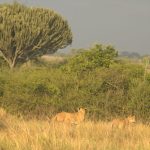
In addition to these Unique Wildlife in Kidepo Valley National Park. The park is home to a wide array of other fascinating wildlife. The park is known for its large populations of elephants and buffalo, which roam the savannahs in impressive herds. Lions, leopards, and African wild dogs also make the park their home. The lions of Kidepo Valley being particularly known for their large size and powerful builds. Other antelope species such as the topi, hartebeest, and impala graze the grassy plains, contributing to the park’s rich biodiversity.
Kidepo is also an excellent destination for birdwatchers. It offers sightings of a range of species such as ostriches, kori bustards, and the African fish eagle. The wetlands are home to waterfowl including herons, pelicans, and ibis. Further enhancing the park’s role as a sanctuary for wildlife.
Whether you’re interested in spotting large mammals or rare birds. Kidepo’s diverse ecosystems offer something for everyone, from first-time visitors to seasoned safari-goers.