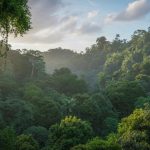
Why you should visit Bugoma Forest. Bugoma Forest is a rare sanctuary of ancient rainforest, rich biodiversity, and deep cultural heritage, which was gazetted in 1932. This vast tropical forest is one of Uganda’s most important ecosystems, offering visitors a chance to explore untouched nature while discovering unique wildlife species found nowhere else in the region. From tracking elusive primates beneath towering mahogany trees to birdwatching in a forest alive with sound, Bugoma Forest provides unforgettable experiences for nature lovers, researchers, and adventure seekers alike.
Activities in Bugoma forest
Chimpanzee trekking
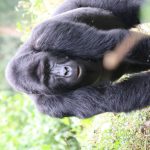
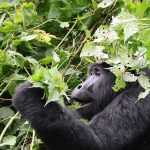
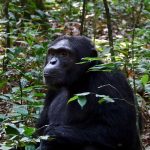
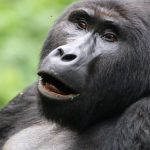
Chimpanzee trekking is the major activity carried out in Bugoma Forest, and it is the highlight for most visitors. The forest is home to a growing population of wild chimpanzees, which move freely through the dense forest. Chimpanzee trekking in Bugoma Forest is spearheaded by experienced armed rangers.
The experience can last anywhere from two to six hours, depending on the chimpanzees’ movement. Along the way, you will get to learn about chimpanzee behaviors, social structures, conservation challenges, and feeding habits. Bugoma offers a more rewarding and less crowded alternative than other chimpanzee trekking destinations. The chimps are not yet fully habituated and are very suspicious of visitors.
Upon finding them, you have up to one hour to enjoy watching these gentle giants play, feed, and nest. You are free to take as many photos as you like, but please avoid using flash photography.
Forest Nature Walks and Guided Hikes
Guided nature walks through Bugoma Forest provide an excellent way to explore the forest’s rich biodiversity at a relaxed pace. The forest features well-established trails that lead visitors through towering trees, dense undergrowth, and seasonal wetlands. These walks are led by knowledgeable guides who interpret the forest ecosystem, pointing out medicinal plants, unique tree species, and animal tracks.
Nature walks are ideal for visitors interested in botany, ecology, and photography. The calm environment allows for close observation of insects, butterflies, amphibians, and forest birds, making each walk a deeply educational and sensory experience.
Birdwatching
Bugoma Forest is a prime birding destination, particularly for forest-specialist species. With over 200 recorded bird species, the forest attracts both casual birders and serious ornithologists. Early morning birding walks offer the best chances to spot rare and endemic species hiding within the forest canopy.
Notable bird species found in Bugoma include forest robins, turacos, hornbills, greenbul, flycatchers, and various sunbirds. The forest’s diverse habitats ranging from primary forest to regenerating areas support a wide range of birdlife, making Bugoma an excellent stop for birding safaris in western Uganda.
Primate and Wildlife Viewing
Beyond chimpanzees, Bugoma Forest hosts several other primate species, including black-and-white colobus monkeys, red-tailed monkeys, blue monkeys, olive baboons, and vervet monkeys. These primates are often seen during nature walks, feeding in fruiting trees or moving through the canopy.
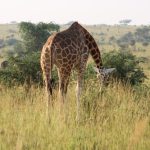
The forest is also home to smaller mammals such as forest squirrels, bush pigs, and various antelope species, though these are more elusive. Reptiles, amphibians, and a wide variety of butterflies add to the forest’s rich wildlife diversity, making Bugoma a rewarding destination for nature enthusiasts and wildlife photographers.
Conservation and Community Experiences
Bugoma Forest is closely linked to community-based conservation initiatives aimed at protecting the forest while supporting local livelihoods. Visitors have the opportunity to learn about conservation efforts through guided visits and interactions with community members involved in forest protection, tree planting, and eco-tourism activities.
These experiences provide insight into the challenges facing Bugoma Forest, including deforestation and land-use pressure, while highlighting how tourism plays a role in preserving this vital ecosystem. Engaging with local communities adds a meaningful cultural dimension to a visit and allows travelers to contribute positively to conservation efforts.
Cultural Encounters and Local Village Visits
Cultural visits around Bugoma Forest allow travelers to connect with the local communities living adjacent to the forest. These visits may include guided village walks, storytelling sessions, traditional music and dance performances, and demonstrations of local crafts and farming practices.
Such encounters provide a deeper understanding of how local people coexist with the forest and depend on it for medicine, food, and cultural identity. Filming and photography are usually permitted but should always be done respectfully and with prior consent.
Photography and Nature Filmmaking
Bugoma Forest offers excellent opportunities for nature photography and low-impact wildlife filming. The soft forest light, dense vegetation, and wildlife activity create ideal conditions for capturing intimate rainforest scenes. Early mornings and late afternoons are especially rewarding for photographers seeking dramatic light and active wildlife.
Photographers are encouraged to use experienced local guides who understand animal movement and lighting conditions within the forest. This not only improves the quality of the shots but also ensures ethical and responsible wildlife interaction.
Best Time to Visit Bugoma Forest
Bugoma Forest can be visited throughout the year, but the experience varies depending on the season. Understanding the weather patterns helps visitors plan the most rewarding activities, especially chimpanzee tracking and nature walks.
Dry Seasons from June to August and December to February
The dry seasons are considered the best time to visit Bugoma Forest. During these months, rainfall is lower, forest trails are more accessible, and walking conditions are generally easier. This makes it ideal for chimpanzee tracking, guided nature walks, birdwatching, and photography.
Wildlife viewing is often more predictable during the dry season, as animals tend to stay closer to established feeding areas. The drier conditions also allow for better visibility in the forest and reduce the chances of activities being delayed due to heavy rain. For visitors seeking comfortable trekking conditions and reliable schedules, this is the most recommended time to visit.
Wet Seasons from March to May and September to November
The wet seasons bring heavier rainfall, transforming Bugoma Forest into a lush, green rainforest. While trails can become muddy and walking more challenging, this period offers a unique atmosphere with vibrant vegetation, flowing streams, and dramatic forest scenery.
This season is particularly attractive for birdwatchers, as migratory species are more active, and the forest is alive with bird calls. Photographers who enjoy rich colors and moody rainforest light may also prefer this time. Visitors should be prepared for occasional activity adjustments due to rain, but the experience remains rewarding for adventurous travelers.
What to Pack for Bugoma Forest
Packing appropriately is essential for a comfortable and enjoyable visit to Bugoma Forest, especially since most activities involve walking in dense rainforest conditions.
Clothing
Lightweight, long-sleeved shirts and long trousers are recommended to protect against insects, thorny vegetation, and sun exposure. Neutral or earth-toned colors such as green, brown, and khaki help avoid disturbing wildlife. A waterproof jacket or poncho is essential year-round due to unpredictable rainfall.
A warm layer is useful for early morning starts, as temperatures can be cooler in the forest before the sun rises.
Footwear
Sturdy, waterproof hiking boots with good ankle support are highly recommended, particularly for chimpanzee tracking and forest walks. The trails can be slippery and uneven, especially after rain. Comfortable walking socks and an extra pair are advisable.
Accessories and Gear
- A small daypack for carrying essentials
- Refillable water bottle to stay hydrated
- Insect repellent to protect against mosquitoes and forest insects
- Sunscreen for open areas and village visits
- Hat or cap for sun protection
- Binoculars for birdwatching and wildlife viewing
- Camera with extra batteries and memory cards
Health and Safety Essentials
Visitors should carry any personal medication, a basic first-aid kit, and hand sanitizer. Gaiters can be useful for added protection against mud and insects, though they are optional. A walking stick is often provided for forest treks, but can also be brought for extra support.