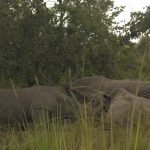
Top Locations to Film Cape Buffaloes in Uganda. Cape buffaloes, also known as African buffaloes, are one of the most powerful and unpredictable animals in Africa. Known for their imposing size, herd behavior, and intense stare. These members of the Big Five are an essential subject for any wildlife documentary or filming project set in East Africa.
In Uganda, Cape buffaloes are widespread and easily spotted in several protected areas. But not all filming locations offer the same visual drama, herd dynamics, or accessibility. Whether you’re chasing cinematic landscapes, dramatic herd interactions, or intimate close-ups. Uganda offers some incredible locations to capture these majestic beasts on camera.
In this post, we’ll walk you through the top national parks and reserves in Uganda for filming Cape buffaloes. Complete with insider tips, unique features of each location, and practical notes for filmmakers.
Murchison Falls National Park
Murchison Falls, Uganda’s largest and most visited national park, offers some of the best opportunities to film Cape buffaloes in East Africa. The northern sector of the park, especially around the Buligi game tracks and the Delta region, is home to large herds that graze across open savannah plains.
Filming here gives you the advantage of broad, unobstructed views, ideal for capturing full herd movements, stampedes, or dust-kicking charges. You’ll often find buffaloes near the Nile River, especially during the dry season when they come to drink and cool off. The contrast between the animals and the dramatic river backdrop adds cinematic flair to your footage.
Queen Elizabeth National Park
Located in western Uganda, Queen Elizabeth National Park is a filmmaker’s dream for its combination of savannahs, wetlands, crater lakes, and abundant wildlife including large populations of Cape buffaloes.
Buffaloes can be filmed throughout the park, but the Kasenyi Plains are the top spot. Here, you’ll find massive herds grazing, wallowing in mud, or interacting with other species like elephants, kob, and warthogs. The Kazinga Channel is another unique location, buffaloes often lounge along the shores or wade into the water, offering a chance to film them in a semi-aquatic setting, especially during a boat cruise.
Kidepo Valley National Park
For those looking to film buffaloes in a truly untouched wilderness, Kidepo Valley National Park in northeastern Uganda is a perfect choice. The park is home to some of the largest buffalo herds in Africa, with estimates often reaching into the thousands.
In the Narus Valley, buffaloes graze across wide open plains, often in dramatic lighting with mountainous backdrops. The park’s isolation and low visitor numbers mean you’ll often have uninterrupted access to wildlife scenes that feel incredibly wild and unfiltered.
Kidepo also offers a unique opportunity to film interactions between buffaloes and predators like lions or hyenas, particularly during dry seasons when animals cluster around water sources.
Lake Mburo National Park
Though smaller in size, Lake Mburo National Park is one of the best places for close-up filming of individual or small groups of buffaloes. The park’s compact layout and open woodland terrain make it easy to follow and film buffaloes at close range, especially with the help of skilled guides.
Buffaloes here are often seen near salt licks, wetlands, and the shores of Lake Mburo, where they graze and bathe. The park also allows walking safaris (with armed rangers). Offering a chance to film buffaloes on foot an opportunity rarely offered in larger parks. This kind of access makes Lake Mburo especially suitable for filming intimate behavior, such as wallowing, grooming, or interspecies dynamics with birds.
Filming Tips and Requirements
If you’re planning to film Cape buffaloes in Uganda, here are a few key considerations:
- Permits: All filming inside national parks requires a permit from the Uganda Wildlife Authority (UWA). Rates vary, but expect $300–$600 per day based on crew size and equipment.
- Press Accreditation: All foreign filmmakers must apply through the Uganda Media Council. This includes a synopsis of the project, passport copies, and proof of affiliation.
- Gear Clearance: Professional filming equipment must be cleared through customs. A local fixer can assist with temporary import permits.
- Best Gear: Use telephoto lenses (200mm–600mm) for safe distance shots and image stabilization for mobile filming (especially in vehicles or boats).
- Local Support: Hire an experienced fixer or production coordinator familiar with Ugandan parks to help with logistics, permits, and access.
Final Thoughts
Filming Cape buffaloes in Uganda is an adventure rich with visual rewards. Whether you’re documenting massive herds crossing a savannah. Capturing a dramatic interaction at a waterhole, or zooming in on the powerful eyes of a lone bull. Uganda offers a diversity of settings and subjects that few countries can match.
Top Locations to Film Cape Buffaloes in Uganda. From the cinematic savannahs of Murchison to the rugged isolation of Kidepo and the forest drama of Semuliki. Each location brings something unique to the lens. With the right planning, ethical practices, and an eye for the unexpected. You’ll walk away with footage that’s not only powerful but unforgettable.