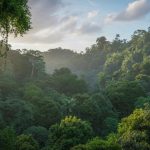
Wildlife in Lake Mburo National Park. A Hidden Gem of Uganda’s Wilderness: Tucked away in the western heart of Uganda lies one of the country’s most underrated wildlife havens, Lake Mburo National Park. While it may not boast the lion densities of Queen Elizabeth or the iconic gorillas of Bwindi, this park holds its own with a unique collection of wildlife, some of which you won’t easily find elsewhere in Uganda. The park’s compact size, open savannahs, rolling hills, acacia woodlands, and wetlands create a perfect ecological blend for a variety of species. Let’s take a walk through some of the most captivating wildlife that call Lake Mburo home.
Wildlife in Lake Mburo National Park
Zebras
Zebras are perhaps the most iconic residents of Lake Mburo, and the park holds one of the largest populations in Uganda. These plains zebras are not just visually stunning with their striking black-and-white stripes, they’re also a delight to observe in motion, often seen trotting across open grasslands in tightly knit herds. Unlike many other hoofed animals, zebras are highly social and maintain strong family bonds. Each individual has a unique stripe pattern, acting like a natural fingerprint. Visitors to the park are often treated to scenes of zebras grazing peacefully alongside impalas, or galloping playfully at dusk as the heat eases off.
Impala
Lake Mburo is the only national park in Uganda where you can find the impala. These elegant antelopes are known for their reddish-brown coats, lyre-shaped horns (in males), and incredible agility. They are fast, nimble, and highly alert, often seen in medium to large herds grazing in the acacia-dotted plains. Males are territorial and often engage in dramatic, but graceful, fights during the breeding season. Their name, which means “gazelle” in Zulu, fits perfectly they embody grace and athleticism in every movement. Spotting impalas in Lake Mburo is a reminder of how uniquely biodiverse this smaller park is.
Hippos
The lake that gives the park its name Lake Mburo is home to a robust population of hippos. These semi-aquatic giants spend most of their daylight hours submerged in water to keep their massive bodies cool under the scorching sun. But come nightfall, they lumber out to graze on grass, often covering several kilometers. Despite their bulky appearance, hippos are surprisingly fast on land and extremely territorial in water. Their deep grunts and splashes are a signature soundtrack near the lake’s shores, adding to the atmosphere of wilderness. A boat cruise on the lake offers an up-close encounter with these fascinating creatures in their natural habitat.
Leopards
Though rarely seen in the daylight, leopards do exist in Lake Mburo, silently patrolling the park’s wooded thickets and rocky outcrops. These solitary cats are masters of stealth and camouflage, making them difficult to spot but that only adds to the thrill of possibly encountering one. Often hunting at night, leopards prey on impalas, young zebras, and even monkeys. Their incredible climbing ability allows them to drag their kill into trees, away from scavengers. Night game drives in the park increase the chances of spotting this elusive predator, its glowing eyes piercing through the darkness.
Buffaloes
African buffaloes are among the most formidable animals in Lake Mburo, moving in herds that can range from a few individuals to large groups. These creatures are known for their unpredictable nature and powerful build, making them one of Africa’s “Big Five.” In Lake Mburo, buffaloes can often be seen wallowing in mud pools to cool down and protect themselves from biting insects. Despite their tough reputation, they are herbivores and spend much of their time grazing quietly. However, if threatened, they can become aggressively defensive, particularly when calves are present in the herd.
Elands
Among the rarer but truly majestic sights in Lake Mburo is the eland the largest antelope species on the continent. These gentle giants are surprisingly shy despite their size, often retreating into thick bush at the first sign of human activity. Both males and females have spiraled horns, though the males are notably larger and darker. Elands are known for their ability to leap great distances, despite weighing up to 900 kilograms. Spotting an eland in Lake Mburo is a special experience, not just for their size, but for their calm, almost regal presence.
Warthogs
You can’t drive through Lake Mburo without catching sight of a warthog or several trotting off with their tails held high like antennas. These rugged little creatures may not win any beauty contests, but they’re incredibly adapted to life in the wild. Warthogs use their strong snouts and tusks to dig for roots, bulbs, and insects. They often kneel on their front legs while foraging a unique and oddly charming behavior. Warthogs also make use of abandoned aardvark burrows for shelter, backing in rear-first to face outward in case of danger. Their quirky habits and fearless attitude make them a crowd favorite.
Giraffes
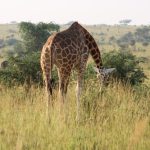
Interestingly, giraffes were not always native to Lake Mburo but were introduced in recent years from Murchison Falls National Park. This reintroduction project has been successful, and now, small herds of Rothschild’s giraffes roam the park. Offering visitors a surreal sight against the backdrop of acacia woodlands. Their slow, graceful movement and towering height allow for excellent wildlife photography. Giraffes feed mostly on tree leaves, particularly acacia, using their long prehensile tongues to strip branches with ease. Their presence adds both ecological value and visual splendor to the park.
Birdlife
Lake Mburo is a birder’s paradise, with over 350 recorded species. From the majestic African fish eagle to the rare red-faced barbet, the park is teeming with avian life. The wetlands attract water birds like herons, kingfishers, and cormorants. While the savannahs and woodlands are home to rollers, hornbills, and bee-eaters. The diversity is staggering, and even casual visitors often leave the park with a newfound appreciation for birdlife. Whether you’re an experienced ornithologist or just someone with a pair of binoculars and a curiosity for color and sound, Lake Mburo delivers.
In conclusion, Lake Mburo National Park may be smaller than most of Uganda’s parks, but what it lacks in size. Its more than makes up for in diversity, accessibility, and unique wildlife experiences. With fewer crowds, close-up encounters, and a chance to walk, ride, or boat through the wilderness. The park offers a more intimate connection with nature. From zebras and impalas to leopards and elands, Lake Mburo invites you to slow down, look closer, and truly feel the wild heart of Uganda.