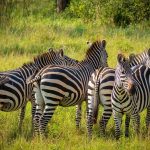
Top things to do in Lake Mburo National Park. Lake Mburo National Park is one of Uganda’s smallest yet most captivating wildlife destinations, located in the western part of the country, about 240 kilometers (149 miles) from Kampala. This park spans over 370 square kilometers and features a unique landscape of rolling hills, acacia woodlands, and grassy valleys, creating a haven for diverse wildlife. Lake Mburo, a serene lake filled with Majestic Hippopotamus, crocodiles, sits at its heart and gives the park its name. Lake Mburo is home to a variety of animal species, including zebras, buffaloes, giraffes, and over 350 bird species, making it a prime spot for wildlife viewing.
While less crowded than other major parks like Murchison Falls or Queen Elizabeth, Lake Mburo offers a more intimate, laid-back experience, ideal for those seeking both adventure and tranquility in Uganda’s diverse ecosystems.
Top things to do in Lake Mburo National Park
Game Drives
Lake Mburo National Park offers classic African safari experiences. With game drives being one of the most popular ways to explore its wildlife. These safaris are typically done early in the morning or late in the afternoon, when animals are most active. On a game drive, you can expect to see a variety of species such as zebras, impalas, buffaloes, and elands. As well as the park’s unique topi and oribi antelopes. Although the park is not home to large predators like lions or elephants. Its smaller wildlife makes for an exciting experience, especially for those interested in the lesser-seen creatures of East Africa.
The park’s terrain is a combination of open grasslands, acacia forests, and wetlands, all providing different opportunities to observe wildlife in varying ecosystems. The drives are generally conducted in 4×4 vehicles, and the roads are well-maintained.
Boat Safari on Lake Mburo
A boat safari on Lake Mburo is a tranquil and unique way to view wildlife. The boat takes you on a peaceful cruise along the lake, allowing you to get closer to aquatic animals like hippos, crocodiles, and a variety of bird species, including the African Fish Eagle and Kingfishers. Papyrus reeds and dense vegetation surround the lake, creating an ideal backdrop for both birdwatching and photography.
During the boat ride, you’ll also have the chance to observe some of the park’s land-based animals that come down to the water’s edge to drink. The sight of a lone buffalo or a herd of impalas drinking from the lake provides some truly spectacular moments. One of the most exciting features of a boat safari is the opportunity to see the park’s vast birdlife, making it an especially popular activity for birdwatchers.
Nature Walks and Hiking
For those looking to connect more intimately with Lake Mburo’s ecosystem, a guided nature walk offers a fantastic opportunity. Accompanied by an experienced ranger, visitors can explore the park’s diverse habitats on foot, observing the intricacies of the flora and fauna up close. The walk can take you through wooded areas, open savannah, and along the lakeshore, providing the chance to spot wildlife in a completely different setting.
This activity is ideal for those who prefer a slower-paced, more personal safari experience. Some of the animals commonly spotted during nature walks include impalas, warthogs, and various species of birds. Lake Mburo does not host dangerous predators, but visitors should stay alert because animals such as buffalo and hyenas still inhabit the park.
Horseback Safari
One of Lake Mburo’s most unique offerings is the horseback safari. Which allows you to get even closer to the wildlife without disturbing their natural behavior. Horseback safaris are offered by several lodges around the park and cater to riders of all skill levels, from beginners to experienced equestrians. The safari gives you a chance to gallop across the savannah, watching zebras, giraffes, and buffalo in their natural habitat. This activity is incredibly immersive, as the horses blend in with the wildlife, allowing for a more authentic, undisturbed encounter.
The experience is both exhilarating and peaceful, offering a completely different perspective compared to traditional game drives or walking safaris. The ride can last anywhere from an hour to several hours, depending on your preference and the area being explored. The stable staff will match you with a horse that suits your experience level, ensuring both safety and enjoyment.
Birdwatching
Lake Mburo is a birdwatcher’s paradise, with over 350 species of birds recorded within the park. The variety of habitats, from wetlands to open savannah, provides an ideal environment for birdlife. Some of the most notable species include the rare Shoebill stork, African Fish Eagle, Papyrus Gonolek, and the Blue-cheeked Bee-eater. Birdwatching can be done on foot during nature walks or from the comfort of a vehicle during game drives. But the boat safari also provides excellent opportunities for spotting waterfowl and other aquatic species.
The diversity in birdlife means that visitors can enjoy both migratory and resident species. Offering different experiences depending on the time of year. For those with a particular interest in ornithology, specialized birding guides can provide a more in-depth experience. Helping to identify various species and explain their behaviors and ecological importance.
Cultural Visits to Nearby Communities
Beyond the wildlife, communities of the Banyankole people and Bahima people surround Lake Mburo National Park. Visitors can engage in cultural tourism by visiting local villages. These experiences often include traditional dances, storytelling, and farm tours, allowing guests to gain insight into the daily life of the indigenous people. Park lodges often organize cultural visits, and they can include traditionally prepared meals.
Accessibility and Travel Tips
Lake Mburo National Park is easily accessible by road from Kampala, which takes about 4-5 hours, depending on traffic. The park can also be reached by air, with daily flights from Entebbe to the park’s nearby airstrip. Although the park is smaller than other Ugandan national parks, it offers a variety of activities that make it worth a visit, whether you’re on a tight schedule or looking for a more relaxed experience.
Best Time to Go
The dry season (June to September and December to February) is the best time to visit for wildlife sightings. Clearer skies for boat safaris, and easier accessibility for nature walks and cultural visits. However, each season offers something unique, and the park remains accessible year-round.