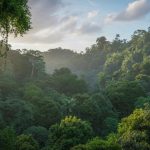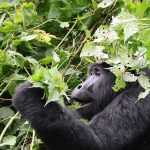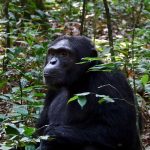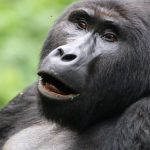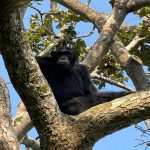
Gorilla Filming in Rwanda. Rwanda, often referred to as the Land of a Thousand Hills, is not just a destination for breathtaking landscapes and rich culture. It’s also home to one of the most majestic creatures on the planet: the mountain gorilla. With approximately 1,000 individuals remaining in the wild, the Virunga Mountains. Which span across Rwanda, Uganda, and the Democratic Republic of the Congo. This has become a key sanctuary for these incredible animals. Filming gorillas in their natural habitat is not only a thrilling adventure but also an opportunity to raise awareness about conservation efforts and the significance of these magnificent primates. In this blog, we will explore the costs, requirements, guidelines, and best times for filming these iconic creatures in Rwanda.
Costs of Gorilla Filming in Rwanda
Filming mountain gorillas and professional photography require a fee of $ 5,000 for a filming pass that is valid for three consecutive days in Volcanoes National Park. Additionally, a $ 2,000 security deposit must be paid, which will be refunded at the end of your trip upon submission of copies of the film to the Rwanda Development Board. This procedure ensures that filming is conducted for tourism or to promote the critically endangered Mountain gorillas of Volcanoes National Park. The filming fee encompasses the application costs for the filming permits, transportation for your filming equipment, and accommodation at ideal safari lodges located in and around the Kinigi Park Headquarters in the Musanze district. However, this fee does not include the cost of gorilla permits.
Regardless of whether you have a group of 8 or fewer, you will need to acquire 8 gorilla permits, which will grant access to an entire gorilla family. Therefore, the total cost for a complete filming and photography crew per day, with a maximum of 8 people per gorilla group, will be $12,000 (at 1500 per permit).
Requirements for Filming
Before embarking on your filming adventure, it’s essential to fulfill the following requirements:
- Gorilla Filming Permit: As mentioned earlier, obtaining a gorilla filming permit is crucial. These permits need to be secured through the Rwanda Development Board (RDB) well in advance.
- Filming License: Depending on the nature of your project, you may need a filming license from the RDB. This is especially important for large production teams or commercial filming.
- Insurance: It’s highly recommended to have travel and health insurance that covers adventure activities.
- Equipment Check. Ensure that all filming equipment complies with the regulations of the park and is suitable for the rugged environment.
Guidelines for Filming
- To ensure a respectful and safe filming experience, adhere to the following guidelines:
- Keep Your Distance: When filming, maintain a distance of at least 7 meters (about 23 feet) from gorillas. To minimize stress and the risk of disease transmission.
- Quiet Behavior: Minimize noise levels and avoid sudden movements to prevent startling the animals.
- Limit Group Sizes: To reduce human impact, each gorilla group is limited to a maximum of 8 visitors per tracking session.
- Stay on Trails: To protect the gorillas’ habitat, always remain on designated trails.
- Follow Guide Instructions: Always heed the advice of your local guide to ensure your safety and that of the gorillas.
Best Time for Filming
Dry Season (June to September, December to February)
The dry season is widely considered the best time for gorilla filming in Rwanda, especially in Volcanoes National Park. From June to September and again from December to February, the region experiences significantly less rainfall, which leads to more stable and predictable filming conditions. Trails are drier and easier to navigate, reducing the physical strain of carrying heavy camera equipment through the forest. The reduced cloud cover provides more consistent natural lighting, improving the overall visual quality of footage. Additionally, vegetation is slightly less dense during this period. Allowing for better visibility of the gorillas and cleaner shots without heavy interference from leaves or mist. These months also tend to attract more tourists. So while competition for filming permits and accommodations may be higher. The benefits of better access and clearer conditions make it the most favorable window for professional filmmakers and wildlife photographers.
Wet Season (March to May, October to November)
Filming during the wet season presents unique challenges but can also offer rare visual opportunities for storytellers seeking a more dramatic atmosphere. These months are characterized by frequent and sometimes intense rainfall. Which makes trails muddy and slippery, posing difficulties for crews transporting sensitive gear. Vegetation grows rapidly and becomes much denser, which can obstruct camera angles and limit visibility of gorilla groups. However, the rainforest comes alive with vibrant green foliage, misty backdrops, and fewer tourists. Thus making it possible to capture more intimate and undisturbed scenes. While lighting can be inconsistent due to overcast skies, filmmakers who prepare for the elements may find the moody ambiance compelling for certain cinematic styles. Additionally, park authorities may be more flexible with filming logistics during this off-peak period, and permit availability is typically higher.
In conclusion, filming gorillas in Rwanda is both a challenging and rewarding endeavor. With the right preparation, respect for the wildlife, and adherence to guidelines. You can capture breathtaking footage of these endangered animals while contributing to their conservation. Pack your gear and get ready for a filming experience that will not only enrich your portfolio but also create lasting memories. Then a profound appreciation for one of nature’s most extraordinary families.