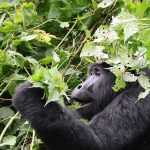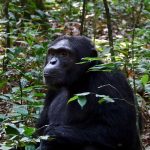
Gorilla Filming in Uganda, Uganda is one of the few places on Earth where you can experience mountain gorillas in their natural habitat. With more than half of the world’s remaining mountain gorilla population living in its lush southwestern forests, Uganda has become a key destination for both gorilla trekking enthusiasts and professional wildlife filmmakers. While gorilla trekking is open to tourists with a relatively modest permit, gorilla filming, especially for commercial or documentary purposes, requires a separate, more comprehensive process involving permits, conservation fees, and logistical planning. In this article, we explore in detail the cost of gorilla filming in Uganda, including permit fees, location options, and important regulations to keep in mind for 2025.
Where Can You Film Gorillas in Uganda?
In Uganda, gorilla filming is restricted to two protected national parks managed by the Uganda Wildlife Authority (UWA): Bwindi Impenetrable National Park and Mgahinga Gorilla National Park. Both are located in the southwest near the borders with Rwanda and the Democratic Republic of Congo. Each park offers a unique filming environment.
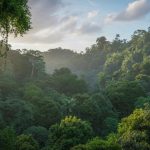
Bwindi Impenetrable National Park is the more popular of the two and hosts several habituated gorilla families spread across four sectors: Buhoma, Ruhija, Nkuringo, and Rushaga. Its misty, densely forested hills provide stunning visuals and a variety of gorilla behaviors for filmmakers. The park’s challenging terrain adds drama to any documentary or film scene, making it ideal for those looking to capture the raw and wild essence of gorilla life.
On the other hand, Mgahinga Gorilla National Park is smaller but equally compelling. With only one habituated gorilla group, it offers a more intimate filming opportunity. The park’s dramatic volcanic landscape, including the slopes of the Virunga Mountains, adds cinematic beauty that is particularly suitable for wide shots, establishing scenes, and drone footage. Due to its size and limited gorilla groups, filming in Mgahinga may be easier to coordinate for small crews but requires early booking.
Cost of Uganda gorilla filming permits
The standard gorilla permit in Bwindi costs $800 per person, per day. While the Gorilla Habituation Permit, which extends filming time to four hours, costs $1,500 per person, per day. In addition to these, filmmakers must pay a filming fee of $1,000 per crew of up to 5 people per day for commercial shoots. For larger crews, more fees apply, and the use of drones requires separate clearance from the Uganda Civil Aviation Authority. All international filmmakers must also obtain media accreditation from the Uganda Media Council, which costs approximately $175 per person and usually takes a couple of weeks to process. Though Bwindi is more remote and physically demanding, it offers unmatched biodiversity, flexibility in filming options, and extended gorilla interaction, making it ideal for crews with time and stamina.
Additional Permit and Clearance Requirements
Before you begin filming, you’ll need to secure several other permits and legal clearances. First and foremost is media accreditation, which is issued by the Uganda Media Council. Each crew member is required to apply for accreditation, and the cost is around $175 per person. This process can take between 2–4 weeks, so it’s advisable to start early. The application involves submitting your filming synopsis, crew list, passport copies, and details about where and when you’ll be filming.
You’ll also need a filming license from the Uganda Wildlife Authority. This is separate from the gorilla filming permit and must be applied for in conjunction with your production plan. In some cases, depending on the nature of your project. You may also need clearance from the Uganda Communications Commission (UCC). Particularly if you intend to use drones, satellite broadcasting equipment, or are working with foreign media agencies.
Why Is It So Expensive?
Many people wonder why gorilla filming is so costly compared to general wildlife filming in other parts of Africa. The answer lies in the fragile status of the mountain gorillas. Fewer than 1,100 individuals remain in the wild, making these primates one of the most heavily protected species on the planet. Authorities price filming permits to reflect the risk and to emphasize the importance of minimizing human impact.
Additionally, gorilla filming fees help fund vital conservation initiatives, anti-poaching patrols, veterinary interventions, and education programs in local communities. A portion of the income also supports the Revenue Sharing Program. Which provides nearby communities with schools, healthcare, and infrastructure improvements in exchange for protecting the gorillas rather than exploiting them.
By paying for a gorilla filming permit, you’re not just capturing rare footage. You’re also making a direct contribution to wildlife conservation and sustainable tourism in Uganda.
When Is the Best Time to Film Gorillas?
Uganda has a relatively stable climate, but gorilla filming is best done during the dry seasons. Which fall between June to September and December to February. During these months, drier conditions make forest trails more accessible and reduce the risk that rain or humidity will damage camera equipment.
That said, the wet season (March to May and October to November) also has its advantages. The forests are greener, the light is softer, and the gorillas are often easier to locate. Due to an abundance of food closer to the park boundaries. However, expect muddy trails and more logistical challenges. A waterproof cover for your gear is essential year-round.
Is Gorilla Filming in Uganda Worth It?
Absolutely, if you’re serious about wildlife storytelling, conservation filmmaking, or producing authentic African documentaries. Uganda offers a rare opportunity to document one of the planet’s most majestic and vulnerable species. While the costs may seem high, they are justified by the unparalleled access. The protection of the animals, and the immense conservation value of your contribution.
Whether you’re working on a natural history documentary, a travel series, or a photo essay for a major publication. Filming gorillas in Uganda is not only feasible it’s a deeply meaningful project that aligns your creative vision with a greater environmental cause.
Ready to Film Gorillas in Uganda?
At Vibrant Holiday Safaris, we work with trusted local partners, guides, and fixers to help streamline your filming experience. From permits and planning to transport and on-ground support, we’re here to help you bring your wildlife story to life.
Contact us today at info@vibrantholidaysafaris.com to start planning your gorilla filming expedition in Uganda.