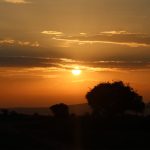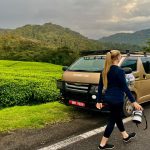
Filming Safaris in Kidepo Valley National Park with Vibrant Holiday Safaris. Kidepo Valley National Park is one of Africa’s most remote and visually dramatic wilderness areas, offering filmmakers a rare opportunity to capture authentic landscapes, powerful wildlife encounters, and deeply rooted indigenous cultures in an untouched setting. Located in the far northeastern corner of Uganda, near the borders of South Sudan and Kenya, the park covers vast savannah plains framed by rugged mountain ranges and seasonal river valleys.
Despite being one of Uganda’s least visited national parks, Kidepo is widely regarded by conservationists and filmmakers as one of the most rewarding destinations for filming safaris. Its isolation has preserved natural wildlife behavior and cultural traditions, making it ideal for documentaries, conservation films, wildlife productions, travel series, and high-end visual storytelling. Vibrant Holiday Safaris offers expert guidance and logistical support to ensure a smooth, legally compliant, and productive filming experience in Kidepo Valley National Park.
Filming Permissions and Regulations
Filming in Kidepo Valley National Park is permitted for both individual filmmakers and professional film crews, provided all legal requirements are fulfilled in advance. All filming activities within the park must be approved by the Uganda Wildlife Authority (UWA), the government body responsible for managing Uganda’s protected areas. In addition, every crew member involved in the production must obtain a valid Press Accreditation Card from the Uganda Media Council.
These permits ensure that filming activities do not interfere with wildlife conservation, park management, or local communities. Filmmakers are also required to declare and clear all professional filming equipment through customs at their point of entry into Uganda. Working with an experienced safari and filming logistics company such as Vibrant Holiday Safaris greatly simplifies the process and helps avoid unnecessary delays or compliance issues.
Best Time to Film in Kidepo Valley National Park
Dry Season Filming
The most favorable time for filming in Kidepo Valley National Park is during the dry seasons, which occur from January to February and June to August. During these months, rainfall is minimal, road conditions are more reliable, and wildlife movement is easier to predict. Animals naturally gather around permanent water sources, particularly in the Narus Valley, creating excellent opportunities for extended wildlife sequences and predator-prey interactions.
However, filmmakers should be aware that the dry season can bring extremely high temperatures, sometimes ranging between 32°C and 40°C. These conditions may affect sensitive filming equipment, batteries, and crew comfort. Adequate planning, heat protection for equipment, hydration, and shaded downtime are essential for successful filming during this period.
Rainy Season Filming
The rainy seasons, from March to May and October to November, offer a very different but equally compelling filming environment. During these months, Kidepo transforms into a lush green landscape, with dramatic skies, fresh vegetation, and seasonal rivers flowing through the valleys. This period is particularly attractive for filmmakers interested in landscape cinematography, atmospheric visuals, and storytelling that highlights seasonal change.
While rainfall may occasionally disrupt filming schedules, the reduced tourist numbers and vibrant scenery often compensate for these challenges. It is also important to note that rain can occur at any time in Kidepo, even during the dry season, so protective gear for equipment is always necessary.
Press Accreditation Requirements
All filmmakers, journalists, photographers, and crew members must obtain individual Press Accreditation Cards from the Uganda Media Council before filming in Uganda.
Purpose of Press Accreditation
The press accreditation card serves several important functions. It grants access to restricted filming areas such as national parks, provides official identification to authorities, and confirms the professional status of the crew. It also helps prevent unnecessary interference from local authorities and communities while filming.
Eligibility
Press accreditation is available to:
- Journalists working with recognized media houses
- Documentary filmmakers and photographers
- Freelance journalists and content creators
- Cameramen and production crew
- Bloggers and digital media professionals
- Students pursuing journalism, media, or communication studies
Each crew member must hold their own accreditation card; group accreditation is not permitted.
Requirements for Press Accreditation
Applicants are required to submit:
- A fully completed Media Council of Uganda application form
- A certificate of good conduct from Interpol, or an embassy letter if unavailable
- A letter of introduction from an employer or academic institution
- A copy of an employer or institution-issued ID
- A national ID copy where applicable
- A valid passport and visa page
- Two colored passport-sized photographs
- Proof of payment for accreditation fees
- A valid filming or work visa
Accreditation Fees
- USD 175 per person for up to 30 days
- USD 225 per person for up to 6 months
- USD 325 per person for up to 2 years
These fees are subject to change, and official communication is handled through the Uganda Media Centre.
Filming Permits from Uganda Wildlife Authority
Filming Safaris in Kidepo Valley National Park with Vibrant Holiday Safaris, filmmakers must apply for a UWA Filming License. This permit ensures that filming activities are monitored and aligned with conservation objectives.
Application Process
Applications typically take 5 to 10 working days to process. Filmmakers are advised to submit requests at least three weeks before their intended filming start date.
Required Documents
- Copies of valid passports for all crew members
- Full list of crew names and roles
- Detailed inventory of filming equipment
- Specific filming locations within the park
- A script, treatment, or filming concept
- A formal application letter
UWA charges 40% of the filming activity fee plus a 10% monitoring fee. Once approved, filmmakers receive a filming license and an agreement that must be signed and carried at all times while filming.
Equipment Clearance and Customs Procedures
All professional filming equipment must be declared and cleared through customs upon arrival in Uganda. This process involves submitting photographs, serial numbers, and declared values for all equipment.
Equipment clearance usually takes 2 to 3 working days, and fees are typically around 10% of the total declared equipment value. Vibrant Holiday Safaris works closely with licensed clearance agents to facilitate this process and minimize delays. For security reasons, filmmakers are strongly advised to travel with their equipment on the same flight.
What to Film in Kidepo Valley National Park
Wildlife
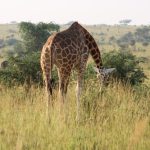
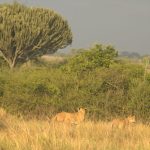
Kidepo Valley National Park is particularly famous for its population of big cats, wildlife including lions, leopards, and cheetahs. The park also supports elephants, Rothschild’s giraffes, buffaloes, zebras, hartebeests, greater kudu, white-eared kob, dik-dik, caracal, hyenas, aardwolf, and patas monkeys. The open terrain allows for excellent visibility and long filming sequences.
Birdlife
With over 470 recorded bird species, Kidepo is one of Uganda’s top birding destinations. Notable species include the secretary bird, kori bustard, ostrich, Abyssinian roller, Karamoja apalis, fox kestrel, and red-throated bee-eater.
Key Filming Locations
Narus Valley
The Narus Valley is the heart of wildlife activity in Kidepo. Its permanent water sources attract animals year-round, particularly during the dry season. The open plains and established game tracks make it ideal for wildlife filming with minimal obstruction.
Kidepo Valley
Known for its borassus palm trees and seasonal riverbeds, the Kidepo Valley offers stark, cinematic landscapes. During the dry season, it becomes quieter and ideal for guided nature walks and wide scenic shots of untouched wilderness.
Mount Morungule and the IK People
Mount Morungule rises to approximately 2,750 meters above sea level and is home to the IK people, one of Uganda’s smallest ethnic groups. Filming here provides a rare cultural and anthropological perspective, but permission from elders and cultural sensitivity are mandatory.
The Karamojong Community
The Karamojong people are semi-nomadic pastoralists known for their vibrant attire, cattle culture, and traditional dances. Filming within their communities requires prior consent and respect for local customs.
Accommodation Options
Accommodation within Kidepo Valley National Park is limited but suitable for filming crews. Options include Apoka Safari Lodge, UWA Bandas, and Nga Moru Wilderness Camp, with additional facilities available in nearby towns for larger productions.
Plan Your Filming Safari with Vibrant Holiday Safaris
Filming in Kidepo Valley National Park requires expert planning, reliable logistics, and deep local knowledge. Vibrant Holiday Safaris provides comprehensive filming support, including permits, equipment clearance, accommodation, transport, ranger coordination, and community access.
Contact Vibrant Holiday Safaris today to plan a professionally supported filming safari to one of Africa’s most untouched and visually compelling destinations.