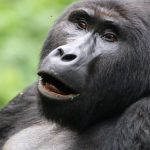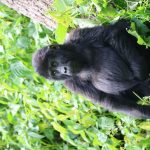
Bwindi Impenetrable Forest Birding Safaris. When most travelers think of Uganda’s Bwindi Impenetrable Forest. Gorilla trekking is the first thing that comes to mind and understandably so. The chance to walk among endangered mountain gorillas in their natural habitat is one of the most thrilling wildlife experiences on the planet. But for those who take the time to slow down and tune into the canopy above. Bwindi offers something equally magical: Bwindi Impenetrable Forest Birding Safaris. This UNESCO World Heritage Site is a treasure trove for bird enthusiasts. Offering a rich, immersive experience unlike any other destination in Africa.
Why Bwindi Is a Birding Hotspot
Bwindi Impenetrable Forest is one of the richest ecosystems in Africa and is recognized as one of the top birding destinations in the world. Home to over 350 recorded bird species, including 23 Albertine Rift endemics, this ancient rainforest is a dream for ornithologists and hobby birders alike. The park’s unique elevation range from 1,160 to 2,600 meters creates diverse habitats, from lowland tropical forest to montane ecosystems, making it an ideal refuge for a vast variety of birdlife.
What truly sets Bwindi apart is the chance to spot rare and elusive species that are almost impossible to find anywhere else. Species like the African Green Broadbill, Shelley’s Crimsonwing, and the Grauer’s Rush Warbler are some of the most sought-after birds in Africa, and they all call Bwindi home. Whether you’re a seasoned birder with a checklist or a nature lover with binoculars, the birding opportunities here are bound to impress.
The Best Birding Trails in Bwindi
Bwindi is divided into four main sectors Buhoma, Ruhija, Rushaga, and Nkuringo each offering unique birding trails and habitats. Among these, Ruhija and Buhoma are considered prime birding zones.
- Buhoma Sector: Located in the north, Buhoma offers easier terrain and well-established trails. The Waterfall Trail, Munyanga River Trail, and Kashasha River Trail are ideal for spotting forest birds such as the Western Green Tinkerbird, Black-billed Turaco, and Yellow-eyed Black Flycatcher. Buhoma also offers community-guided bird walks that directly support local conservation efforts.
- Ruhija Sector: This higher-altitude region is the go-to spot for Albertine Rift endemics. Birding along the Bamboo Zone and Mubwindi Swamp Trail offers the best chance of sighting the elusive African Green Broadbill, a prized species for serious birders. Other notable species include the Striped-breasted Tit, Regal Sunbird, and Handsome Francolin.
Experienced birding experts guide each trail, helping you spot and identify birds while sharing deep insights into their behavior, calls, and conservation status. They typically lead these walks in the early morning or late afternoon—prime times for bird activity.
What to Expect on a Bwindi Birding Safari
A birding safari in Bwindi is a deeply immersive and slow-paced experience. Unlike traditional game drives in open savannahs. Birding here means quiet walks through dense forest, ears tuned to the calls echoing through the canopy. It’s not uncommon to spot 100 or more species in a single day, especially during the migratory seasons.
The forest itself adds to the magic towering trees, waterfalls cutting through the undergrowth, and mist rising with the morning sun. You’ll also encounter primates like black-and-white colobus monkeys, butterflies in vivid colors, and occasionally forest elephants or duikers.
Expert guides lead all treks, often alongside Uganda Wildlife Authority (UWA) rangers. We customize each trek to match your level of birding experience. Whether you’re traveling solo with a field guide or part of a photography group with telephoto lenses. Bwindi caters to all kinds of birders.
When Is the Best Time to Go Birding in Bwindi?
Birding in Bwindi is good all year round. But the best months are March to May and September to November during the rainy seasons when the forest is alive with breeding activity and migratory species are present. The weather can be wetter during these months. But this is when bird activity peaks, and many species are in their vibrant breeding plumage.
That said, the dry seasons (June to August and December to February) are also excellent times to visit, offering easier trekking conditions and clearer trails. Regardless of the season, mornings tend to be the most productive time for birding, so it’s best to start early.
Tips for a Successful Bwindi Birding Safari
- Bring quality binoculars. A good pair (8×42 or 10×42) will help you see even the shyest birds hiding in the canopy.
- Dress appropriately: Long-sleeved shirts, waterproof hiking boots, and muted colors help you blend into the environment.
- Carry a birding field guide: The Birds of East Africa by Terry Stevenson and John Fanshawe is a great resource.
- Travel with a professional birding guide: Their knowledge of calls, behavior, and movement is invaluable.
- Be patient and quiet: Birding in the forest is about listening as much as it is about seeing.
Why Choose Bwindi for Birding?
Bwindi is not just about the birds it’s about the entire forest experience. It’s one of the few places where you can combine world-class birding. With other incredible activities like gorilla trekking, nature hikes, community cultural tours, and conservation volunteering. The biodiversity is staggering, and the forest itself offers a peaceful retreat from the outside world.
What makes Bwindi birding truly special is how it balances serious birdwatching with raw natural beauty. You’re not just ticking off species you’re stepping into a living, breathing ecosystem where every rustle in the leaves might be something extraordinary.