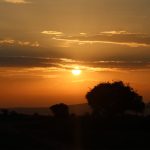
Wildlife in Uganda. A Sanctuary for Nature Enthusiasts: Uganda, often referred to as the “Pearl of Africa,” captivates the hearts of wildlife lovers and nature enthusiasts alike with its stunning diversity. The country boasts an array of spectacular landscapes, from the towering, snow-capped peaks of the Rwenzori Mountains to the vibrant greenery of its tropical rainforests and the expansive golden savannas that stretch across the plains. This rich tapestry of habitats provides sanctuary to an extraordinary variety of wildlife.
Among Uganda’s treasures are over 1,060 species of birds, making it a birdwatcher’s dream destination. From the majestic shoebill stork stalking through the wetlands of Murchison Falls National Park to the vibrant African grey parrot flitting through the rainforests, each species presents an opportunity for unique observation and photography.
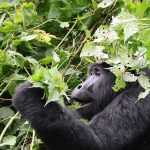
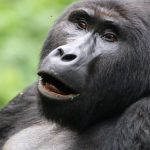
Additionally, Uganda is home to 20 primate species, including the renowned mountain gorillas of Bwindi Impenetrable National Park, where visitors can embark on breathtaking treks through dense jungle to encounter these gentle giants in their natural habitat. The playful antics of olive baboons and the elusive nocturnal bush babies add further excitement to Uganda’s primate offerings.
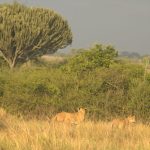
Moreover, the country’s rich wildlife extends to iconic mammals such as the African elephant, which roams freely in the savannas of Queen Elizabeth National Park, as well as the roaring lions that inhabit the region. The chance to see these magnificent creatures in the wild, alongside a diverse array of antelope species and the elusive leopard, makes Uganda a prime destination for those seeking adventure and unforgettable experiences in nature. In essence, Uganda’s multifaceted ecosystems make it a remarkable retreat for wildlife viewing and exploration, offering adventures that resonate with both seasoned travelers and those newly inspired by the beauty of nature.
Wildlife in Uganda
Mountain Gorillas
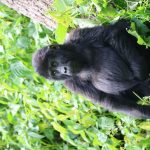
Mountain gorillas are one of Uganda’s most iconic and endangered species. Found in Bwindi Impenetrable National Park and Mgahinga Gorilla National Park, these gentle giants roam the dense forests, feeding on leaves, shoots, and fruits. Gorilla trekking is a popular activity, allowing visitors to observe these magnificent creatures in their natural habitat. With their thick fur and imposing size, mountain gorillas are a thrilling sight, and their intelligent and social behavior makes them fascinating to watch.
Chimpanzees
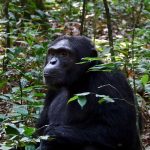
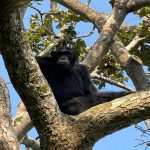
Chimpanzees are Uganda’s closest relatives, sharing nearly 99% of their DNA with humans. Found in Kibale Forest National Park and other forests, chimpanzees are known for their intelligence, social complexity, and agility. Chimpanzee trekking is a popular activity, allowing visitors to track and observe these primates in their natural habitat. With their expressive faces and impressive vocalizations, chimpanzees are a delight to watch, and their behavior offers insights into human evolution and social dynamics.
Golden Monkeys
Golden monkeys are an endangered species that live in Mgahinga Gorilla National Park. These striking primates display distinctive golden fur, and they move through the forest with remarkable agility and intelligence. Golden monkey trekking is a unique experience, allowing visitors to observe these rare animals in their natural habitat. The vibrant color and social behavior of golden monkeys are a thrilling sight.
Big Cats
Uganda is home to several big cat species, including lions, leopards, and cheetahs. Lions thrive in Queen Elizabeth National Park and Murchison Falls National Park, where they roam the savannas and grasslands while hunting antelopes and other ungulates. Meanwhile, leopards live solitary lives and often hide from sight, although visitors can still spot them in several national parks, especially Kidepo Valley National Park. In addition, cheetahs remain rare in Uganda, yet travelers occasionally encounter them in selected protected areas. With their majestic appearance and powerful roars, big cats are a highlight of Uganda’s wildlife.
Elephants
African elephants are a common sight in Uganda’s national parks, particularly in Murchison Falls National Park and Queen Elizabeth National Park. These majestic animals roam the savannas and forests, feeding on a variety of plants and fruits. Elephant populations have been recovering in recent years, thanks to conservation efforts.
Hippos
Hippos are found in many of Uganda’s rivers and lakes, including the Nile River and Lake Victoria. These semi-aquatic mammals spend most of their time in the water, emerging at night to graze on grasses and plants. Hippos are known for their aggressive behavior, particularly in defense of their territory or young ones. With their distinctive barrel-shaped bodies and short legs, hippos are a common sight in Uganda’s waterways, including the Kazinga channel, Lake Mburo, and Murchison Falls National Parks.
Crocodiles
Nile crocodiles are a common sight in Uganda’s rivers, lakes, and wetlands. These formidable predators are known for their powerful jaws and stealthy behavior, preying on fish, birds, and larger animals. Crocodiles can be spotted in various national parks, including Murchison Falls National Park and Queen Elizabeth National Park. With their ancient appearance and fearsome reputation, crocodiles are a thrilling sight, and their role in Uganda’s ecosystem is vital.
Birds
Uganda is a birdwatcher’s paradise, boasting over 1,060 recorded species. Because of the country’s diverse habitats, including forests, savannas, and wetlands, Uganda supports an incredible variety of birdlife. For example, species such as the shoebill stork, African fish eagle, and colorful kingfishers showcase the nation’s rich avian diversity. In addition, their vibrant plumage and fascinating behaviors make birds one of the highlights of Uganda’s wildlife. As a result, birdwatching has become one of the country’s most popular tourist activities.
Antelopes
Antelopes are a common sight in Uganda’s national parks, particularly in Queen Elizabeth National Park and Murchison Falls National Park. These elegant ungulates come in various species, including impalas, bushbucks, and Uganda kobs. Antelopes are renowned for their impressive leaping abilities and distinctive coat patterns. With their agility and alertness, antelopes are a thrilling sight, and their role in Uganda’s ecosystem is crucial.
In conclusion, Uganda’s responsible wildlife conservation efforts are led by the Uganda Wildlife Authority and local communities, focusing on community engagement, sustainable tourism, and habitat protection. Uganda is focusing on preserving tourism even for future generations. Book a wildlife safari with Vibrant Holiday Safaris at info@vibrantholidaysafaris.com and get to enjoy the pearl of Africa.