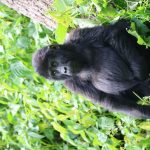
Wildlife in Queen Elizabeth National Park. Queen Elizabeth National Park, located in the western region of Uganda, is one of the country’s most treasured wildlife reserves. To begin with, spanning over 2,000 square kilometers, Queen Elizabeth National Park boasts a remarkable diversity of ecosystems from savannah and wetlands to forests and volcanic craters making it a true haven for wildlife. Moreover, as a UNESCO Biosphere Reserve. It plays a vital role in conservation while offering an unforgettable experience for nature lovers and wildlife enthusiasts alike. So, join me as we explore the extraordinary wildlife that inhabits this spectacular park, starting with the iconic “Big Four” game species.
Wildlife in Queen Elizabeth National Park
The Big Four
Many people think of the famed “Big Five” when discussing African wildlife, but Queen Elizabeth National Park stands out for its Big Four: the elephant, buffalo, lion, and leopard. Each of these species plays a crucial role in the ecosystem and contributes to the park’s allure.
Elephants
These gentle giants can often be seen wandering through the grassy plains or near water bodies, where they gather in family groups. Their presence is both important and fascinating, as they help shape the landscape by uprooting trees and creating watering holes an essential resource for other wildlife.
Buffaloes
Buffaloes are another significant species found in the park. Commonly seen grazing in herds, African buffaloes are known for their strength and the social structures within their groups. Their presence draws in a multitude of other animals, as they often stir up insects and smaller game when moving through the grasslands.
Lions
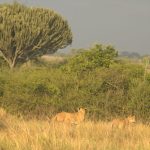
Queen Elizabeth is home to a unique population of tree-climbing lions, which can often be spotted lounging in the branches of fig trees in the Ishasha sector. Their behavior is a marvel to witness, showcasing adaptability not commonly seen in lion populations across the continent. Lions, the kings of the savannah, are another major draw for tourists.
Leopards
Leopards, elusive and solitary, complete the Big Four in this region. These beautiful big cats are notoriously shy, making them more challenging to spot than their lion counterparts. However, keen-eyed visitors may catch a glimpse of them resting in trees or stealthily moving through the underbrush, showcasing their exemplary hunting skills. For a good experience book a night game drive.
Antelopes of Queen Elizabeth National Park
Beyond the Big Four, Queen Elizabeth National Park is also home to several species of antelopes that add to the park’s biodiversity. Among these,
The Ugandan kob
Most notably, the Ugandan kob stands out as one of the park’s most prominent species. These striking antelopes, known for their impressive leaps, thrive in open grasslands and near water sources. During the mating season, the energy intensifies—males put on spectacular displays of speed and agility, competing fiercely for the attention of females.
The defassa waterbuck
Another notable species is the defassa waterbuck, which often inhabits the marshy areas of the park. Their distinctive ringed markings make them easily recognizable, and they are well-adapted to their wetland habitats. Observing them grazing alongside the water’s edge is a serene experience for any visitor.
The sitatunga
The Sitatunga, a semi-aquatic antelope, remains a rare but captivating sight. Its elongated, splayed hooves—perfectly adapted for muddy terrain allow it to move with ease through swamps and wetlands. Where it quietly thrives out of view. Their ability to navigate through water effortlessly demonstrates the diversity of adaptations among antelope species.
Birdlife in Queen Elizabeth National Park
Queen Elizabeth National Park is a birdwatcher’s paradise, boasting over 600 species of birds. Making it one of Uganda’s premier destinations for avian enthusiasts. The park’s diverse habitats support a variety of bird species, ranging from waterfowl and raptors to colorful forest birds.
One of the highlights of the park’s birdlife is the African fish eagle, recognizable by its striking white head and tail contrasted with dark brown feathers. Often seen perched on trees or soaring overhead. Additionally, these majestic birds gather near water bodies. Where they hunt for fish with striking precision patrolling the shallows and striking in an instant with expert accuracy.
Meanwhile, Great White Pelican and Pink-backed Pelican gather in large numbers around the Kazinga Channel, especially where the waters teem with fish. Where they congregate in large numbers. Their elegant silhouettes against the backdrop of the waterways make for stunning photography opportunities.
Kingfishers
Additionally, the park hosts several species of kingfishers, including the brilliant blue and orange malachite kingfisher. These tiny birds dart along the shorelines, flashing vibrant colors and razor-sharp hunting skills as they plunge into the water to snatch small fish.
As the sun sets, the elusive African Bittern calls from the reeds, its haunting notes echoing through the fading light. This well-camouflaged bird often remains hidden in marshes, making it a rare yet rewarding sight for those with a keen eye.
In conclusion, Queen Elizabeth National Park is a remarkable showcase of Uganda’s beautiful wildlife. From the awe-inspiring big game to the delicate antelopes and the diverse birdlife, the park offers an unforgettable experience for nature lovers and wildlife enthusiasts. Its unique blend of ecosystems ensures that every visit reveals something new. Making it a must-see destination for anyone traveling to Uganda. Whether you’re on a game drive, a guided birdwatching tour, or simply exploring the natural beauty of the park. Queen Elizabeth is a true gem in the heart of Africa.