What a rainy season Safari looks like in Rwanda. While on a safari in Rwanda during the rainy season, expect showers throughout the day. Rwanda’s rainy season runs from March to May and then from November. The trails are muddy due to the volcanic soils.
Rwanda is open for safaris throughout the year. Gorilla trekking, the leading tourist activity in Rwanda, is also conducted in the rainy season, even though it takes place in the mountainous areas of Volcanoes National Park. Volcanoes National Park is home to five of the Virunga Volcanoes, namely Mount Sabyinyo, Mount Muhavura, Mount Gahinga, Mount Karisimbi, and Mount Bisoke. These mountains offer fantastic hiking; however, during the rainy season, they are slippery, making hiking a bit hard.
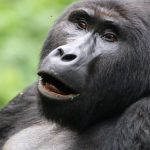
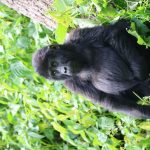
What a rainy season Safari looks like in Rwanda. During the rainy season, the gorillas spend most of their time on the slopes of these mountains or deep in the valleys, and this entails a strenuous trek, as you will have to hike these slopes to find the gorillas.
The rainy season serves as the low tourism season in Rwanda due to less gorilla trekking demand, and trekking in this season is not overcrowded.
What a rainy season Safari looks like in Rwanda Safari Destinations
Volcanoes National Park
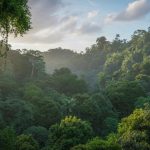
Volcanoes National Park lies in Rwanda’s northwestern highlands and forms part of the Virunga Mountain range. Its landscape is dramatic, with steep volcanic slopes, dense bamboo forests, afro-montane vegetation, and thick undergrowth. During the rainy season, this terrain becomes even more lush and atmospheric. Mist often rolls down the slopes in the early mornings, creating a mysterious and cinematic environment.
Rain can fall unexpectedly and may last for several hours. Trails become muddy and slippery, especially on steeper inclines. The forest canopy thickens during this time, allowing less sunlight to reach the ground, which makes the forest feel darker and cooler.
Gorilla Trekking Experience in the Wet Season
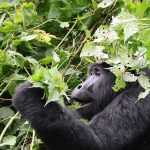
Volcanoes National Park is home to about 12 habituated mountain gorilla families. Tracking them during the rainy season can be more physically demanding due to wet trails and thick vegetation. Gorillas may move to different elevations depending on food availability. With fresh bamboo shoots and other vegetation growing abundantly, some groups remain at mid-level altitudes, while others climb higher slopes.
Trekkers should be prepared for challenging uphill hikes, muddy boots and damp clothing, reduced visibility in thick foliage
However, the rainy season has remarkable advantages. The scenery is breathtaking, photography is dramatic with mist-covered volcanoes, and there are usually fewer tourists. Smaller trekking groups mean a quieter and more personal encounter with the gorillas. Since gorillas are tracked daily by rangers, sightings remain highly reliable regardless of the season.
Golden monkey tracking during rainy season
Golden monkeys inhabit the bamboo zones of the park. During the wet months, food becomes plentiful, and these energetic primates may spend extended periods feeding in the trees. They remain active but can be slightly harder to photograph due to dense leaves. The forest, however, looks vibrant and full of life, enhancing the overall experience.
Nyungwe National Park
Nyungwe National Park is one of Africa’s oldest rainforests and is characterized by steep hills, thick vegetation, and a network of rivers and streams. During the rainy season, the forest feels especially alive. The vegetation grows thicker, waterfalls become stronger, and humidity increases, creating a classic tropical rainforest atmosphere.
Trails can become slippery, and rainfall may persist for long periods, especially between March and May. Waterproof gear and sturdy hiking boots are essential.
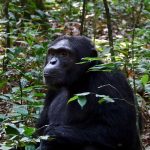
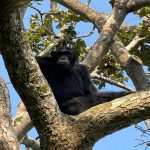
Chimpanzee trekking is the main attraction in Nyungwe. There are two habituated communities open to visitors one in the main forest and another in Cyamudongo. During the rainy season, fruiting trees become abundant, influencing chimpanzee feeding patterns.
Chimpanzees often prefer staying in the trees during heavy rainfall, which means sightings may require looking high into the canopy. Their vocal calls echo through the forest, helping guides locate them. Early morning treks are common, and while conditions may be damp, the cooler temperatures make hiking more comfortable.
The benefit of trekking during this season is fewer crowds and a forest rich with natural sounds birds calling, insects humming, and rain gently falling through the canopy.
Birdlife and Canopy Walk
Nyungwe is home to over 300 bird species, and the early rainy season is especially rewarding for birdwatchers. Many species begin nesting and become more active. Though thick foliage may obscure clear views, patient observers are rewarded with diverse sightings.
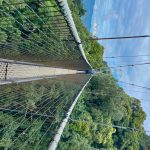
The canopy walkway a 160-meter suspension bridge suspended approximately 70 meters above the forest floor offers panoramic views of the treetops. During rainy conditions, the bridge may be wet and slightly misty. Rangers monitor safety closely and may pause crossings during heavy rain. When the skies clear, the view of the endless green canopy is spectacular.
Akagera National Park
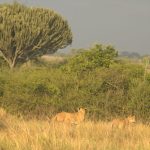
Akagera National Park, located in eastern Rwanda, presents a completely different ecosystem from the country’s rainforest parks. It consists of open savannah plains, rolling hills, wetlands, and lakes. During the rainy season, the dry golden grasslands transform into bright green plains dotted with wildflowers.
Rainfall replenishes lakes and wetlands, creating a vibrant environment for wildlife and birds. However, tall grass may reduce visibility during game drives, and some dirt roads can become muddy after heavy showers.
With water available across the park, animals disperse rather than concentrating around permanent water sources. This can make sightings slightly less predictable compared to the dry season. However, the rainy season often coincides with calving periods for herbivores such as antelopes and zebras. This naturally attracts predators like lions and hyenas.
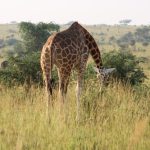
Akagera is home to lions, rhinos, elephants, giraffes, buffaloes, leopards, zebras, and numerous antelope species. Birdlife becomes especially vibrant during the rains, particularly around Lake Ihema and other wetland areas.
What to pack for a rainy season safari in Rwanda
- A pair of binoculars to bring a closer view since gorillas and chimpanzees tend to be high in the canopies during the rainy season.
- Insect repellent to avoid insect bites
- A raincoat since rain is expected any time, and it can be for a full day
- Comfortable and waterproof hiking shoes since the ground is muddy and slippery
- Safari trousers and shirts to protect yourself from rough jungle surfaces
- Camera with extra batteries
- Snacks, since the treks can take a long time, and you will need some energy-giving snacks to be able to complete the adventure
- Sweaters and heavy clothing since the forests are too cold
- Power bank, charger, and a travel adapter