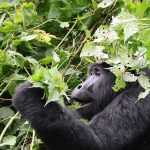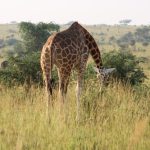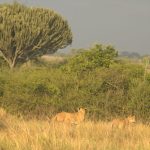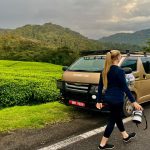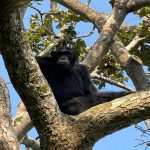
Tips for your Walking Safari in Africa. A walking safari in Africa is not just a wildlife activity; it’s an awakening of the senses. Unlike game drives, where you observe the bush from a vehicle, walking safaris let you feel the earth beneath your feet, hear the sounds of the wild up close, and experience nature in its most raw and intimate form. Whether you’re quietly tracking elephant trails or marveling at the tiny, overlooked wonders of the savannah, a walking safari is an unforgettable adventure.
But walking in the wild isn’t your average stroll; it requires preparation, awareness, and a deep respect for nature. Here are the top tips to help you get ready for your walking safari in Africa and know exactly what to expect.
Tips for your Walking Safari in Africa
Understand What a Walking Safari Really Is
A walking safari is a guided nature walk through wildlife-rich areas, usually led by an armed ranger and an experienced guide. It’s not about chasing animals, but about immersing yourself in the ecosystem. Learning to read tracks, identify plants, listen to bird calls, and sense the rhythm of the bush. Encounters with big game are possible, but the focus is often on smaller, more detailed aspects of the environment that you’d miss from a vehicle.
Choose the Right Destination
Walking safaris are popular in countries like Uganda, South Africa, Kenya, and Tanzania, but not all parks offer them. Some of the best walking safari destinations include Lake Mburo National Park (Uganda), Ruaha and Selous (Tanzania). Do your research or work with a trusted tour operator to choose a destination that offers safe, guided walks with experienced professionals.
Pack Light, Dress Right
On a walking safari, comfort and protection are key. Stick to neutral-colored clothing (khaki, brown, green) to blend in with the environment. Wear long-sleeved shirts and trousers to protect against sun, thorns, and insects. Sturdy, closed hiking shoes or boots with good grip are a must. A wide-brimmed hat, sunglasses, sunscreen, and insect repellent are also essentials. Keep your backpack light, just carry water, a camera, binoculars, and any essentials recommended by your guide.
Physical Preparation Matters
While you don’t need to be an athlete, walking safaris can be physically demanding especially in hot weather or uneven terrain. Prepare by doing light hikes or walks before your trip. Let your operator know in advance about any medical conditions or limitations so that the experience can be tailored to your comfort level.
Listen Closely to Your Guide
Your guide is your lifeline during a walking safari. They’re trained not only in bushcraft and animal behavior but also in safety and emergency response. Pay close attention to their instructions and walk in single file. If the group encounters wildlife, the guide will tell you how to react often, it’s to stay calm and still. Never run. Trust their expertise, and always follow their lead.
Keep Your Senses Sharp
One of the most beautiful things about walking safaris is how they sharpen your senses. With no engine noise, you’ll hear birdsong, rustling leaves, distant animal calls, and the crunch of your footsteps. Your guide will point out animal tracks, medicinal plants, droppings, and insect activity, giving you insight into the intricacies of life in the wild. It’s a masterclass in nature awareness, so stay present and curious.
Respect the Wildlife and Environment
You are a guest in the animals’ home, and walking safaris come with a code of respect. Maintain a quiet presence, don’t try to get too close for photos, and never feed or interact with wildlife. Leave no litter behind and stick to the paths or routes set by your guide. A respectful, responsible approach ensures safety for both you and the animals—and preserves the ecosystem for future generations.
Know What Kind of Walk You’re Signing Up For
There are different types of walking safaris. Some are short bush walks offered as part of a larger lodge experience (1–2 hours), while others are multi-day walking safaris with mobile camps that move with you across the wilderness. Know your comfort level and choose accordingly. Multi-day safaris offer a deeper immersion but require more stamina and planning.
Don’t Expect Close-Ups with Big Game
While there’s always the thrill of possibly spotting elephants, buffalo, or even lions. Most walking safaris aim to avoid close contact with dangerous animals. Instead, the experience is about slowing down and holistically appreciating the ecosystem. That said, if you do encounter big game, it will likely be at a safe distance under the close supervision of your guides.
Capture the Moment
Use a quiet shutter mode, avoid sudden movements, and only take photos when it’s safe and appropriate. Binoculars are also invaluable; you’ll spot birds, animals, and insects in greater detail and gain a better appreciation for the intricacies of the wild.
In conclusion, by stepping off the beaten path and walking humbly through nature, you gain a deeper connection to the land, the wildlife, and yourself.
So open your mind, and take that first step by contacting Vibrant Holiday Safaris and let us arrange your African walking safari.