Things Not to Miss on a Safari in Northern Uganda. Northern Uganda is a land of striking contrasts and quiet beauty, where vast open landscapes stretch to the horizon, and nature still follows its own rhythm. For travelers seeking a safari experience that feels authentic, uncrowded, and deeply rewarding, this region offers something truly special. Unlike the more familiar safari circuits of East Africa, Northern Uganda remains refreshingly wild. Here, wildlife roams freely across expansive savannahs, cultures remain strongly rooted in tradition, and the sense of exploration is genuine.
A safari in Northern Uganda is not just about spotting animals; it is about immersing yourself in an environment where nature, people, and history are closely intertwined. Long drives through dramatic scenery are punctuated by encounters with pastoral communities, distant mountain ranges, and wildlife sightings that feel intimate rather than staged. The parks and reserves of the north are vast and lightly visited, allowing you to experience Africa as it was decades ago.
This part of Uganda is also rich in diversity. From roaring waterfalls and mighty rivers to semi-arid plains and forested escarpments, the landscapes change constantly, each offering its own rewards. Wildlife viewing is excellent, but so too are the cultural experiences, scenic stops, and moments of quiet reflection that define a well-rounded safari.
For travelers who value depth over crowds and authenticity over polish, Northern Uganda delivers in abundance. Below are some of the most rewarding things not to miss on a safari in Northern Uganda.
Things Not to Miss on a Safari in Northern Uganda
The Raw Wilderness of Kidepo Valley National Park
A remote safari destination like no other
Kidepo Valley National Park is often described as Uganda’s most spectacular and unspoiled wilderness. Located in the far northeastern corner of the country, the park feels worlds away from modern life. Wide open plains framed by rugged mountain ranges create a dramatic setting that immediately sets Kidepo apart from other safari destinations.
What makes Kidepo truly special is its sense of isolation. Game drives here are quiet and unhurried, with few other vehicles in sight. This allows for a more personal connection with the landscape and the wildlife that inhabits it. The scenery alone is worth the journey, shifting from golden grasslands to rocky hills and seasonal riverbeds.
Exceptional wildlife encounters
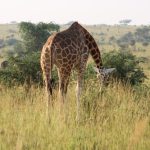
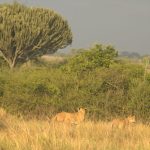
Kidepo is home to an impressive variety of wildlife, including elephants, buffalo, giraffes, zebras, and large herds of antelope. Lions are commonly seen, often resting on rocky outcrops or moving through the tall grass, while leopards are present for those with a keen eye and a bit of patience.
The Narus Valley is the heart of wildlife activity, especially during the dry season when animals gather around permanent water sources. Early morning and late afternoon game drives are particularly rewarding, offering excellent light for photography and increased animal movement hence hings Not to Miss on a Safari in Northern Uganda
Culture at the edge of the park
Beyond wildlife, Kidepo offers meaningful cultural experiences. The surrounding region is home to the Karamojong people, known for their strong pastoral traditions and distinctive way of life. Visiting a local manyatta or engaging with community guides provides insight into how people have lived alongside wildlife in this challenging environment for generations.
Murchison Falls and the Power of the Nile
A dramatic meeting of water and rock
Murchison Falls National Park is defined by the presence of the Nile River, which cuts through the landscape before forcing itself through a narrow rocky gorge. The result is Murchison Falls, a thunderous cascade that showcases the raw power of nature. Standing near the falls, feeling the ground tremble beneath your feet, is a humbling experience.
The park’s scenery is diverse, combining savannah plains, riverine forests, and woodland areas. This variety supports a rich range of wildlife and makes every game drive feel different.
Wildlife along land and water
Murchison Falls is one of the best places in Uganda to see large mammals in classic safari settings. Elephants, buffalo, giraffes, and antelopes are commonly seen grazing on open plains, while lions and leopards patrol the area in search of prey.
One of the most memorable experiences here is a boat safari along the Nile. Drifting upstream, you’ll encounter large pods of hippos, Nile crocodiles basking on the banks, and countless bird species. The slow pace of the boat allows for relaxed wildlife viewing and a different perspective from traditional game drives.
An active safari experience
A guided walk to the top of the falls adds an adventurous element to your visit. The trail offers stunning viewpoints and a close-up look at the river as it narrows and plunges into the gorge. It is a perfect way to combine light hiking with unforgettable scenery.
The Open Plains of Pian Upe Wildlife Reserve
A hidden safari gem
Pian Upe Wildlife Reserve is one of Uganda’s least visited conservation areas, making it ideal for travelers who value solitude and exploration. The reserve is vast and open, characterized by rolling plains, scattered acacia trees, and distant mountain backdrops. The sense of space here is immense, and the silence is broken only by the wind and distant animal calls.
This is a place where you truly feel immersed in nature, far from busy roads and crowded viewpoints.
Rare and rewarding wildlife sightings
Pian Upe is k nown for its populations of plains game, including zebras, elands, impalas, and oribis. The reserve is also one of the few places in Uganda where you may encounter the elusive roan antelope, a prized sighting for wildlife enthusiasts.
Predators such as lions and leopards inhabit the area, though sightings require patience and a willingness to explore. This sense of unpredictability is part of what makes Pian Upe so rewarding.
Exploring on foot and by vehicle
In addition to game drives, guided nature walks offer a more intimate way to experience the reserve. Walking through the savannah with an experienced guide allows you to appreciate smaller details, from animal tracks to unique plant species, and fosters a deeper understanding of the ecosystem.
Northern Uganda’s Scenic Waterfalls and Natural Retreats
A change of pace in nature
While wildlife is a major draw, Northern Uganda is also home to beautiful natural landmarks that provide a refreshing contrast to savannah safaris. Scenic waterfalls tucked into green landscapes offer opportunities for relaxation, photography, and gentle exploration.
These areas are often less visited and allow travelers to slow down and connect with nature in a different way.
Cultural stories and local significance
Many of these natural sites hold cultural importance for nearby communities. Visiting them with a local guide adds depth to the experience, as stories, traditions, and historical context bring the landscape to life. These moments of cultural exchange often become some of the most memorable parts of a journey.
Ideal stops between safari parks
Waterfall visits and scenic viewpoints make excellent additions to longer safari itineraries. They break up travel days and provide a peaceful setting to reflect on your experiences so far.
Birdlife and Quiet Encounters in Lesser-Known Reserves
A paradise for bird lovers
Northern Uganda is exceptionally rich in birdlife, thanks to its mix of wetlands, grasslands, and woodland habitats. Lesser-known reserves in the region are ideal for birdwatching, offering sightings of both common and rare species in tranquil settings.
Early mornings are particularly rewarding, as birds are most active and the light is soft and golden.
Gentle wildlife experiences
These quieter reserves may not boast large predator populations, but they offer gentle wildlife encounters with antelopes, monkeys, and wetland species. The calm atmosphere allows for relaxed exploration and close observation, making them perfect for travelers who prefer a slower pace.
Connecting with local conservation efforts
Visiting smaller reserves also supports local conservation initiatives and community involvement. Guides are often from nearby villages and bring personal knowledge and pride to their work, enriching your experience while contributing to sustainable tourism.