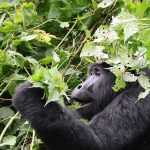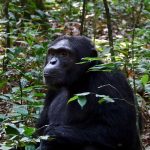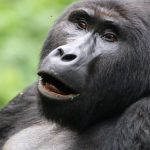
Reasons Why Rwanda Has No Gorilla Habituation Experience. When it comes to gorilla trekking in East Africa, two countries usually top the list: Rwanda and Uganda. Both nations are home to the endangered mountain gorillas, sharing the same lush rainforest habitat within the Virunga Mountains. However, travelers researching primate adventures quickly notice a key difference: Rwanda offers gorilla trekking, but not gorilla habituation experiences. So, Reasons Why Rwanda Has No Gorilla Habituation Experience, while neighboring Uganda does?
Let’s explore the Reasons Why Rwanda Has No Gorilla Habituation Experience, how it ties into their broader tourism strategy, and what it means for travelers.
Rwanda’s High-End Tourism Strategy
One of the primary reasons Rwanda doesn’t offer gorilla habituation experiences is its intentional focus on high-end, low-impact tourism. Since the early 2000s, the Rwandan government has made strategic moves to position the country as a luxury eco-tourism destination. This approach includes limiting the number of visitors and charging premium prices; Rwanda’s gorilla trekking permits currently cost $1,500 USD per person, compared to Uganda’s $700.
Gorilla habituation involves spending up to four hours with a semi-habituated gorilla group, often with fewer tourists and more guides. While that sounds appealing to visitors seeking a deeper experience, it’s also more resource-intensive and carries a higher risk of stressing the gorillas. Rwanda, instead, chooses to offer shorter, tightly regulated treks to fully habituated groups to maintain its exclusive brand and ensure minimal human impact on the animals.
Limited Gorilla Groups Available for Tourism
Unlike Uganda’s Bwindi Impenetrable National Park, which has multiple sectors and a large number of gorilla groups. Rwanda’s Volcanoes National Park is smaller and home to a limited number of habituated families. With just around 12 habituated gorilla families available for daily treks, Rwanda already faces a delicate balancing act between conservation and tourism.
Introducing habituation experiences would require habituating new groups, which could disrupt the ecosystem and endanger unhabituated gorillas. Since each gorilla group supports only a handful of tourists per day, and Rwanda prefers to keep its numbers low to ensure quality, it opts to protect existing groups rather than expand for more tourism revenue.
A Different Market Focus: Depth vs. Exclusivity
Another factor is target market preference. Uganda offers both standard gorilla trekking and gorilla habituation to attract a broader range of travelers from budget backpackers to conservation-focused adventurers. Rwanda, however, has positioned itself for luxury travelers, many of whom seek short, high-quality experiences rather than lengthy, rugged adventures.
Gorilla habituation often involves longer treks, rougher terrain, and more unpredictable outcomes. Rwanda’s tourism infrastructure is geared toward comfort and exclusivity, not necessarily extended field experiences. By focusing solely on well-curated gorilla treks. Rwanda can ensure that every visitor receives a polished, guided, and deeply satisfying encounter without needing to habituate additional gorilla groups.
Rwanda’s Conservation Success is Already Strong
One could argue that Rwanda doesn’t need to offer gorilla habituation. Its existing conservation and tourism model is already a success story. Over the last few decades, the mountain gorilla population in Rwanda has grown steadily. Thanks to strict protection, community engagement, and responsible tourism.
Initiatives like the annual Kwita Izina (gorilla naming ceremony). Local community profit-sharing from tourism, and anti-poaching patrols have all contributed to this success. With fewer than 1,100 mountain gorillas left in the world. Rwanda is not willing to jeopardize its progress by increasing human exposure through habituation.
Conclusion: A Strategic, Conservation-Driven Choice
So, why does Rwanda not offer gorilla habituation experiences? The answer lies in a deliberate, carefully thought-out strategy focused on elite, conservation-friendly tourism. Rwanda has chosen to protect its gorillas first and build a tourism model around that core principle, with fewer visitors, higher costs, and better management.
While some travelers may find Uganda’s habituation experience more immersive or affordable. Rwanda’s approach ensures that its mountain gorillas continue to thrive in a safe, semi-wild environment, Undisturbed by the pressures of expanding tourism.
Planning your gorilla trek?
If you’re seeking a luxurious, short, and well-guided encounter, Rwanda’s gorilla trekking in Volcanoes National Park may be perfect for you. But if you’re looking for a longer, behind-the-scenes primate experience. Consider adding Uganda’s gorilla habituation in Bwindi to your itinerary. Either way, you’ll be contributing to primate conservation and walking away with memories to last a lifetime.
Contact Vibrant Holiday Safaris at info@vibrantholidaysafaris.com for your tailor-made safari and more information about East Africa adventures.