Pian-Upe Game Reserve. Pian Upe Wildlife Reserve ranks among the most remarkable protected areas in the Karamoja sub-region of northeastern Uganda. This large conservation area lies in the Karamoja sub region of northeastern Uganda. It is the second largest conservation protected area in Uganda. Pian Upe Wildlife reserve covers an area of about 2788 square kilometers which makes it the second biggest protected area in the country just after the Murchison Falls National Park in Northwestern Uganda.
It lies in Eastern Uganda, north of Mountain Elgon connected to Matheniko Game Reserve (160,000ha) by the Bokora corridor land tenure government physical features. This is a high plateau area of rolling plains with black cotton soil drained by
intermittent watercourses flowing westwards into Lake Kyoga. Most of the area is subject to inundation during the rainy season. Mount Kadam (previously Mount Debasien) near the border with Kenya is the highest point in the reserve at 3,068m. Vegetation Most of the area is wooded savanna grasslands with some forest in the north on the margins of a higher ridge.
Pian-Upe Game Reserve in Detail
The government gazetted the southern side of this incredible game reserve as the Debasien Animal Sanctuary in 1958. In 1964, authorities extended the area northwards and renamed it Pian Upe Game Reserve. This remarkable game reserve features hot springs and stands out as one of the region’s unique destinations, with mercury wells located near Mount Kadam. This tremendous wildlife reserve derived its name from the Karamojong local dialect which denotes “Friendly Enemy.”
This game reserve comprises of untouched grassland and wooded grassland. There is also a section of riverine woodland, kopjes and others. The main tree species in and around the reserve include the red acacia, desert date, bush willows, harrisonia abyssinica, and red spike thorns as well as shrubs such as butterfly pea and wooly caper bush.
Things to see in Pian Upe Wildlife Reserve
Mammals
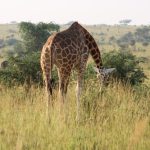
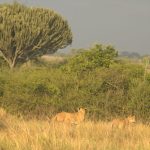
The Pian Upe Wildlife Reserve is also composed of numerous mammal species like lions, elephants, black rhinos and giraffes. There are plain zebras and common elands, oribi and the only roan remaining antelope in Uganda.
A large variety of mammals in the area include: lion, leopard, cheetah, giraffe, buffalo, waterbuck, Uganda kob, mountain reedbuck, roan antelope, Jackson’s hartebeest, and oribi. Most of the eland, topi, and zebra migrate into the area to breed from North Bokora and Matheniko reserves and migrate northwards when the rains begin. Birds include ostrich, secretary bird Sagittarius, and uncommon yellow-billed shrike.
Birds
This incredible wildlife reserve is a home to unique bird species which makes it an ideal birding ground for world birders. The rare birds to catch a glimpse at while in your safaris in Pian Upe Wildlife Reserve include the uncommon ostrich, great hartlaub’s bustard, white headed buffalo weaver and Jackson’s hornbill and they are all protected within Loporokocho swamp. As well, tourists to this stunning reserve have a chance to sight at numerous primates like vervet monkeys and unique olive baboons.
Reptiles
There are magnificent reptiles to see in the wilderness most especially the rock pythons and puff adders as well as harmless water snakes. Pian Upe is home to enormous rock pythons and smaller but venomous puff adders. Harmless water snakes are also found there. The largest lizards in Pian Upe are the Savannah monitors. Others in the reserve include the common agama as well as skinks, chameleons and geckos.
Plants
Most of the reserve is covered by undisturbed grassland and wooded grassland. Small areas of riverine woodland, kopjes also exist. People cultivate some land, and conversion especially threatens the area near the Greek River.
Dominant tree species are red acacia and desert date. Also present are bushwillows, Harrisonia abyssinica and red spike-thorns. Shrubs include butterfly pea and wooly caper bush. Cultivated areas have many live fences of yellow oleander.
Common grasses in the grassland are thatching grass and bristle species. Less common are beard grasses and lemon grasses. Along the rivers Vlei bristle grass and red nut sedge dominate. The lower vegetation layer burns every year.
Things to Do at Pian Upe Wildlife Reserve
As you plan a safari to Kidepo Valley National Park in North Eastern Uganda or Mount Elgon National Park. Include Pian Upe Wildlife Reserve into the list of destinations that you need to visit for wildlife safaris and bird watching. And be filled with untouched wild experiences of a life time.
Game Drives
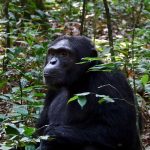
A Uganda safari to Pian Upe Wildlife Reserve rewards you with astonishing views over diverse wildlife species like zebras, buffaloes, leopards, lions, giraffes, greater Kudus, Topis, Oribis, Hartebeests, dik-dik, roan antelopes, jackals, aardvark, cheetahs, spotted hyenas, elands, hedgehogs, birds such as Ostriches, Jackson’s hornbills, white headed buffalo weaver, hartlaub’s bustard as well as primates like olive baboons, patas monkeys, vervet monkeys and others.
About 44 mammal species call this reserve a home most of which are within Uganda and limited to this reserve as well as the Karamoja sub-region. On the other side, approximately 242 bird species are confined in this wildlife reserve. The reptiles include rock pythons, puff adders, water snakes, lizards and others. Tree species such as red acacia, desert date, Harrisonia abyssinica, and red spike thorn dominate the area, while shrubs including butterfly pea, woolly caper bush, and others thrive throughout the landscape.
Pian-Upe Game Reserve
What is a threat to this reserve?
Whereas Uganda Wildlife Authority shares part of the tourism proceeds with local communities to curb poaching practices, many people believe that unchecked encroachers, especially herdsmen from the Kenyan side, still highly threaten this protected area. Normally, cattle keepers cross over to the reserve via porous borders and drive their animals into the wildlife reserve, hunt down wildlife species for meat, cut down trees to pave way for them to settle and this practice scares off incredible bird species and wildlife which are main attractions to most visitors on Uganda safari.
Accommodation in Pian Upe Wildlife Reserve
When it comes to accommodation facilities or lodges for visitors can spend a night, it should not be something to worry about. Tourists can spend their night before or after their wildlife safaris or birding experiences in any of the 4 bandas around the game reserve headquarters.
How to get to Pian Upe Wildlife Reserve
Pian Upe Wildlife Reserve’s headquarters stands along the Mbale–Moroto route, about 90 kilometers from Mbale and 11 kilometers north of the reserve’s northern boundary. At this point, you will be in position to find this reserve’s headquarters immediately you cross Chepsukunya Trading Center which is about two hours’ drive. To get to the reserve, you may need to pay about $5 for foreign visitors, non-residents at $10 while Ugandans and East African residents pay shs.2500. If you are planning to embark on guided tours per walk, non-resident foreigners pay $30 and foreign residents pay $15 then East Africans pay UGX 10,000.
Pian-Upe Game Reserve
Pian Upe Wildlife Reserve is a remarkable protected area in Uganda offering tourists amazing wildlife safari experiences. The reserve accommodates nearly all travel needs; once you are a trip in Uganda, never miss to enjoy fantastic birding and wildlife safari experiences with Vibrant Holiday Safaris.
Pian-Upe Game Reserve