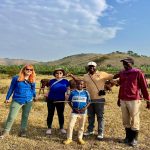
Participating in the Masai Cultural Encounter during your Kenya Safari. The Masai Community in Kenya stands as a vibrant testament to tradition, largely untouched by the sweeping forces of modernity. Visiting the Masai offers an immersive experience into their unique way of life, characterized by distinct customs and cultural practices. One can explore their traditional homes, known as Manyattas, which provide insight into their living conditions and communal lifestyle.
Engaging with the Masai allows visitors to partake in various activities, such as food preparation and local food tasting, which highlight their nutritional practices. Witnessing a milking session or participating in traditional dance performances further deepens the connection to their rich heritage. The Masai are known for their warm hospitality; they take pride in sharing their culture with guests. However, visitors should approach with respect and an openness to potential cultural differences, ensuring a more enriching experience.
While the Masai predominantly speak Swahili, language barriers may arise, so hiring a local guide is advisable. This not only aids communication but also enriches your visit with deeper insights into their traditions.
Cattle herding is the cornerstone of the Masai economy, reflecting their deep-rooted cultural identity. Additionally, crafting, weaving, and beading are integral components of their livelihood; participating in these activities allows visitors to appreciate their artistry and skills.
For an unforgettable experience, consider combining a Participating in the Masai Cultural Encounter with a trip to the nearby Masai Mara National Reserve, particularly during the awe-inspiring wildebeest migration from July to August. This dual exploration offers a captivating glimpse into both the cultural and natural wonders of Kenya.
Kenya Safari Activities
Game Drives
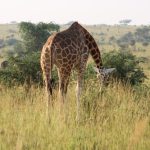
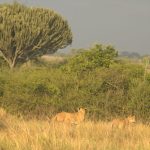
Game drives in Kenya are done from parks like Masai Mara National Park, Meru National Park, Nairobi National Park, Tsavo East and West National Park, and Amboseli National Park. Mammals to be spotted include waterbucks, giraffes, bushbucks, elephants, lions, hyenas, rhinos, zebras, leopards, elands, gazelles, cheetahs, gazelles, and a lot more.
From July to August, you will get to encounter the greatest wildlife migration ever as thousands of wildbeest and zebras migrate from Serengeti National Park in Tanzania to Masai Mara National Park via the Mara River. This involves different interesting scenes, including mammals being slaughtered by the crocodiles, which are residents of the Mara River.
Mountain Climbing
Climbing Mount Kenya is one of the most rewarding experiences in Africa. The mountain offers several routes, each with its own unique beauty and level of difficulty. Sirimon Route: Known for its gradual ascent and scenic beauty, it’s ideal for first-time climbers. Chogoria Route: Often described as the most picturesque route, featuring waterfalls, lakes, and breathtaking views, Naro Moru Route: The most direct and popular route to Point Lenana, though it’s also quite steep.
For those with technical climbing experience, conquering the higher peaks of Batian or Nelion provides a true alpine challenge. Whether you trek for one day or take a multi-day expedition, the experience is filled with crisp air. And also the dazzling landscapes, and the sense of standing on top of Africa’s heartland.
Birding
The mix of coastal and forest ecosystems attracts an incredible variety of birds from colorful bee-eaters. In addition to hornbills and fish eagles and palm-nut vultures. Keep your binoculars ready for sightings of over 1000 bird species. For example the African green pigeon, taita white eye, Aberdare cisticola, silvery-cheeked hornbill, and also the elusive marina trogon. Early mornings and evenings are the best times for birding, when the forest comes alive with birdsong.
Fishing and Horse Riding
For a more relaxed adventure, head to the rivers and lakes on the lower slopes. Where trout fishing is a popular activity. The clear, cold waters are home to rainbow and brown trout, offering a peaceful and rewarding experience for fishing enthusiasts.
Some nearby lodges and conservancies also offer horse riding excursions. Therefore allowing visitors to explore the mountain foothills in a unique and tranquil way.
Hot air balloon safari
Experience the plain savannahs of Kenya with an aerial view and get the best ever game viewing safari. The hot air balloon safari enables you to view large herds of mammals compared to those on a game drive. Moreso, it’s rewarding during the wildebeest migration. It’s an opportunity for aerial photographs and a lot more.
The cost of a visit to the Masai community varies depending on what you plan to do. However, it is advisable to carry some cash in local currency as many Masai communities do not use digital payment methods. Your contributions help in supporting local development products, and purchasing handmade crafts and souvenirs is a way of supporting the locals.
The cost also includes the services of a local guide whose rates are negotiable and vary from one village to another. Visitors are encouraged to tip hosts and guides who offer exceptional services as a gesture of gratitude.
Why visit a Masai community during your Kenya Safari
Participating in the Masai Cultural Encounter during your safari offers a deeper understanding of the most iconic cultures in Africa. Despite being known for their traditional and pastoral lifestyle, the Maasai people have maintained their unique identity and customs for centuries, even as modern influences grow around them. Visiting their villages allows you to see beyond stereotypes and appreciate the resilience and values that shape their daily lives.
Your visit plays an important economic role. When you purchase locally made items such as beadwork, crafts, or jewelry, you are directly supporting Masai families. The income helps in covering essential needs like education, food, and healthcare.
Conservation awareness. Many Masai communities live alongside wildlife-rich areas such as the Masai Mara National Reserve, where wild animals often move between park boundaries and local lands. Masai community visits help the Masai see tangible benefits from protecting these animals and encourage them to remain active stewards of conservation.
A portion of the park entrance fees collected from Visitors to the Masai Mara is channeled back to local communities, funding schools and social services. This partnership between tourism and residents ensures that conservation and cultural preservation go hand in hand.
Best time for Masai Community Visit and Kenya Safari
The Masai communities are in accessible areas, making them open for visitors all year round. However, the most preferred season for a joint Masai Mara and Masai Community visit is during the dry season.
During the dry season, the roads are in good condition and easy to navigate. Wildlife viewing is at its best since mammals converge on the water sources and the grass is lower, enabling better visibility.
If you do not want crowded areas, the wet season is the perfect time since it is considered low season and there are always few tourists. During the wet season, the parks are greener and birding is at its best due to availability of migratory birds.
The wet season is also good for budget travelers due to expected discounts from service providers.