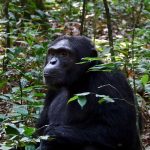
Can You See Gorillas Without a Ranger Guide?. Seeing gorillas in the wild is one of the most awe-inspiring wildlife encounters a person can have. Whether its locking eyes with a silverback or watching juveniles tumble through the underbrush, the experience is raw, humbling, and unforgettable. But if you’re someone who loves off-the-beaten-path travel, you might be wondering: Is it possible to see gorillas without a ranger guide?
The honest answer? No and for good reason.
Why You Can’t Visit Gorillas without a Guide
Gorilla trekking is highly regulated, and for valid reasons. Most treks take place in East and Central Africa notably Uganda, Rwanda, and the Democratic Republic of the Congo where mountain gorillas live in protected national parks. Authorities in these countries enforce strict rules to preserve the species and maintain safety for both gorillas and visitors.
Conservation Comes First
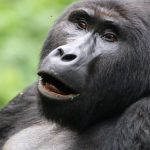
Mountain gorillas are critically endangered, with only around 1,000 individuals left in the wild. Because they share roughly 98% of their DNA with humans, they are incredibly vulnerable to our diseases even a common cold can have devastating effects on a gorilla troop.
By limiting human interaction and requiring professional guides, conservation authorities can better manage visitor behavior and ensure that gorillas are not stressed, harmed, or exposed to illness. Guided visits help enforce safe distances and time limits, reducing the risk of negative impact on these animals.
Safety for Everyone
Though gorillas are generally peaceful and non-aggressive, they are still powerful wild animals. Adult silverbacks can weigh up to 400 pounds and have immense strength. A sudden movement or perceived threat can lead to unpredictable reactions.
Ranger guides are trained to read gorilla behavior and manage the group in case a gorilla approaches or acts defensively. Their presence not only protects the animals but also keeps visitors safe. Without a guide, you might unintentionally provoke a reaction putting both yourself and the gorillas in danger.
Navigating the Terrain
Gorilla habitats are located deep in dense rainforests, often in mountainous terrain with no clear paths. The hikes can be physically demanding, involving hours of trekking through mud, thick vegetation, and steep slopes.
Guides and trackers work together to locate gorilla families before the trekking group sets out. Without them, you’d likely spend hours wandering without ever finding the gorillas or worse, getting lost or injured in the wilderness.
It’s the Law
All gorilla trekking destinations require a valid permit and a licensed guide to visit gorilla families. Entering gorilla territory without permission is illegal and considered a serious offense.
Authorities in Uganda, Rwanda, and the DRC strictly enforce these laws to protect their national parks and the species that live there. Unauthorized access can result in heavy fines, arrest, or a permanent ban from national parks. It also undermines years of conservation efforts and jeopardizes gorilla safety.
What a Guided Gorilla Trek Looks Like
A guided gorilla trek is a structured yet thrilling experience. It typically starts early in the morning at the park headquarters, where visitors receive a detailed briefing about gorilla behavior, safety rules, and what to expect during the trek.
Groups are limited to eight people per gorilla family to reduce stress on the animals. A trained ranger guide leads the group, sometimes accompanied by armed guards for safety against other wildlife (not gorillas). Ahead of your group, trackers scout the forest to locate the gorilla family and communicate back to the guide.
Depending on the gorillas’ location, the trek can take anywhere from 30 minutes to several hours. Once you find them, you’re allowed a maximum of one hour to observe, photograph, and soak in the moment all from a respectful distance.
Want a More Intimate Experience?
If you’re looking for something more immersive than the standard one-hour visit, consider booking a gorilla habituation experience. Offered in specific parts of Uganda, this allows visitors to spend up to four hours with a gorilla group that’s undergoing the habituation process slowly getting accustomed to human presence.
While still guided, this extended encounter offers a deeper understanding of gorilla behavior and conservation efforts. It’s physically more challenging and costs more than a regular trek, but for wildlife enthusiasts, it’s often worth every penny.
Some parks also allow private treks, where your group gets a more personalized experience, always with a guide, of course.
In conclusion,
while the idea of venturing solo into the jungle might sound exciting or adventurous, when it comes to gorilla trekking, there’s only one responsible way to do it with a trained guide and a permit. These regulations are not there to limit your experience but to preserve the fragile balance between tourism and conservation. By following the rules, you’re playing a part in protecting one of the world’s most endangered species.
So when you’re ready to meet the mountain gorillas face-to-face, do it the right way. Join a guided trek, respect the wildlife, and prepare for a moment that will stay with you for the rest of your life.