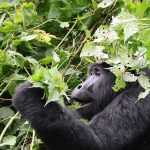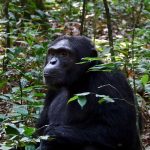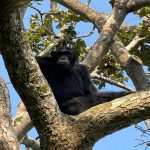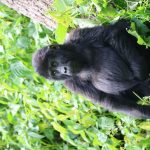
Can children go gorilla trekking? This is one of the most frequently asked questions by families planning a gorilla safari in East Africa. Gorilla trekking is a once-in-a-lifetime wildlife experience that allows visitors to hike through dense tropical forests in search of endangered mountain gorillas in their natural habitat. The adventure attracts travelers from around the world who dream of spending a precious hour observing these gentle giants up close. However, families traveling with children often wonder whether younger adventurers are allowed to participate in this remarkable activity.
The answer is not as straightforward as many people expect. While gorilla trekking is an incredible experience for nature-loving families. Strict age restrictions are in place in the countries where mountain gorillas are found. Conservation authorities in Uganda, Rwanda, and the Democratic Republic of Congo have established regulations that determine who can participate in gorilla trekking and who cannot. These rules are designed not only to protect visitors but also to safeguard the health and wellbeing of the endangered gorillas themselves. For parents planning a family safari, understanding the age requirements, reasons behind the restrictions, and alternative activities available for younger children is essential. Fortunately, even if children are too young to join a gorilla trek. There are plenty of exciting wildlife, cultural, and nature-based experiences that can make a family trip to gorilla destinations unforgettable.
Can children go gorilla trekking?
Understanding Gorilla Trekking Age Restrictions
In the three countries where mountain gorilla trekking takes place Uganda, Rwanda, and the Democratic Republic of Congo the minimum age for gorilla trekking is generally 15 years old. This regulation is enforced by wildlife authorities and park management organizations responsible for protecting both visitors and gorillas. Regardless of a child’s physical fitness, maturity level, or previous hiking experience, permits are typically not issued to individuals under the age of 15. The age limit is not intended to exclude families but rather to ensure the safety and wellbeing of both humans and gorillas.
Why Is the Minimum Age 15 Years?
Many visitors wonder why the age requirement is set at 15 instead of a younger age. There are several important reasons.
Health Protection for Gorillas
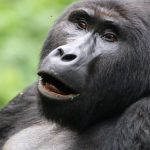
Mountain gorillas share approximately 98% of their DNA with humans, making them highly susceptible to many human illnesses. Diseases such as influenza, colds, and respiratory infections can spread from humans to gorillas and potentially have devastating effects on gorilla populations. Younger children are generally more likely to carry common illnesses and may struggle to follow strict health protocols, such as maintaining appropriate distances from gorillas and covering coughs or sneezes effectively. By restricting trekking participation to older individuals, conservation authorities reduce the risk of disease transmission.
Physical Demands of the Trek
Gorilla trekking is not simply a walk through the forest. Depending on the location of a gorilla family, trekkers may spend anywhere from one to several hours hiking through steep terrain, dense vegetation, muddy trails, and mountainous landscapes. The trek can be physically demanding even for healthy adults. Rangers must consider the safety and endurance of all participants, making it difficult for younger children to keep pace or handle challenging conditions.
Safety Around Wild Animals
Although mountain gorillas are generally calm and habituated to human presence, they remain wild animals. Encounters can sometimes involve close proximity to large silverback gorillas weighing over 180 kilograms (400 pounds). Trekkers must remain calm, follow ranger instructions precisely, and avoid sudden movements or loud reactions. Authorities believe that older teenagers are better equipped to understand and comply with these safety requirements.
Are There Any Exceptions?
In some rare circumstances, authorities may consider exceptions for children who are very close to the age limit, particularly those who are 14 years old and approaching their 15th birthday. These exceptions are not guaranteed and are usually evaluated on a case-by-case basis. Factors such as physical fitness, maturity, previous hiking experience, and parental responsibility may be considered. Families interested in seeking an exception should consult a licensed tour operator well in advance of travel. However, it is important to understand that approval remains entirely at the discretion of the relevant wildlife authority.
What Can Families with Younger Children Do?
Families traveling with children under 15 can still enjoy remarkable wildlife and cultural experiences in gorilla trekking destinations.
Nature Walks and Forest Excursions
Many national parks offer guided nature walks suitable for younger visitors. These excursions allow children to explore forests, learn about local plants and wildlife, and gain a deeper appreciation for conservation efforts. Professional guides often adapt these walks to suit the interests and abilities of younger participants, making them educational and enjoyable.
Community and Cultural Visits
Gorilla trekking regions are rich in culture and tradition. Families can visit local communities, interact with residents, learn about traditional crafts, and experience music, dance, and storytelling. These activities provide valuable cultural insights while supporting local livelihoods and community tourism initiatives.
Wildlife Viewing Safaris
Uganda and Rwanda offer a wide range of wildlife experiences beyond gorilla trekking. Families can enjoy game drives, boat cruises, birdwatching excursions, and visits to conservation centers where children can learn about Africa’s biodiversity. These experiences often provide excellent opportunities for younger travelers to engage with nature in a safe and accessible environment.
Preparing Teenagers for Gorilla Trekking
For families traveling with teenagers who meet the age requirement, preparation is essential.
Build Physical Fitness
Although some treks are relatively easy, others can be challenging. Teenagers should engage in regular physical activity before their trip, including walking, hiking, or other endurance exercises. Improved fitness can make the trekking experience more comfortable and enjoyable.
Learn Trekking Etiquette
Before entering the forest, participants receive a briefing from park rangers. Teenagers should understand the importance of following instructions, maintaining appropriate distances, speaking quietly, and respecting wildlife. Responsible behavior contributes to both visitor safety and gorilla conservation.
Pack Appropriate Gear
Proper equipment can greatly improve comfort during the trek. Recommended items include sturdy hiking boots, long-sleeved clothing, waterproof jackets, gardening gloves for gripping vegetation, insect repellent, and sufficient drinking water. Being adequately prepared helps trekkers focus on enjoying the experience rather than coping with discomfort.
The Educational Value of Gorilla Trekking
For teenagers, gorilla trekking can be a life-changing educational experience. Observing mountain gorillas in the wild provides firsthand exposure to conservation efforts and environmental stewardship. Many young travelers leave with a deeper understanding of endangered species protection, habitat preservation, and the challenges facing wildlife conservation in Africa. The experience often inspires greater appreciation for nature and can spark long-term interest in environmental issues, biology, and sustainable tourism.
Family Travel Tips for Gorilla Trekking Destinations
Families planning a trip to gorilla trekking regions should consider creating an itinerary that accommodates all age groups. If one parent or older teenager participates in gorilla trekking, younger children can enjoy alternative activities with another family member or a trusted guide. Many lodges and safari camps offer family-friendly programs, nature activities, and cultural experiences that keep younger travelers engaged. Scheduling additional days in the region allows families to balance trekking adventures with relaxation, wildlife viewing, and cultural exploration.
In conclusion, Children under the age of 15 are generally not permitted to participate in gorilla trekking due to conservation, safety, and health considerations. While this may initially disappoint some families. The regulations play a critical role in protecting endangered mountain gorillas and ensuring a safe experience for visitors. Fortunately, gorilla trekking destinations offer a wealth of family-friendly activities that allow younger children to experience Africa’s incredible wildlife, landscapes, and cultures. For teenagers who meet the age requirement, gorilla trekking can be an unforgettable adventure and a powerful lesson in conservation. With careful planning, families can create a memorable African safari that combines education, adventure, and meaningful wildlife encounters for travelers of all ages.