Best Time for Uganda Fly-In Safaris. Uganda, the Pearl of Africa, is a year-round destination blessed with remarkable biodiversity, scenic landscapes, and unforgettable wildlife experiences. From gorilla trekking in misty forests to game drives across vast savannahs, there’s no shortage of adventure waiting for you. But if you’re planning a fly-in safari, timing can elevate your experience from great to absolutely exceptional.
Unlike overland travel, fly-in safaris allow you to skip long drives and quickly access remote parks via scenic domestic flights. But knowing when to go ensures you get the best weather, visibility, and wildlife encounters while maximizing the value of your trip. Let’s explore the best times of year to book a fly-in safari in Uganda and what each season offers.
Dry Seasons from June to September and December to February
The dry seasons in Uganda are considered the prime time for fly-in safaris. These months offer the most favorable weather, making flights more consistent and wildlife viewing exceptionally rewarding.
Why It’s Ideal:
- Clear skies and minimal rainfall mean excellent flying conditions and fewer delays.
- Better visibility from the air, giving you stunning views of Uganda’s varied landscapes.
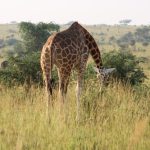
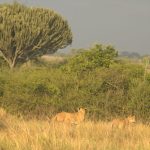
- Wildlife tends to gather around water sources, making them easier to spot.
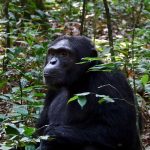
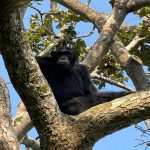
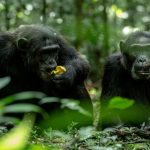
- Gorilla and chimpanzee trekking trails are drier, less slippery, and easier to navigate.
During these months, parks like Bwindi Impenetrable Forest, Queen Elizabeth National Park, Kidepo Valley, and Murchison Falls are at their most accessible and photogenic. This is the peak season, so it’s wise to book your flights, lodges, and permits well in advance.
Wet Seasons from March to May and October to November
Uganda’s wet seasons, also known as the green seasons, are characterized by frequent rains, especially in the afternoons. While some travelers avoid these months, they offer unique advantages for certain types of fly-in safaris.
Benefits of Traveling in the Green Season:
- Lush, vibrant landscapes perfect for photography.
- Fewer tourists mean more intimate safari experiences.
- Lower lodge and flight prices, making it ideal for budget-conscious travelers.
- Best time for birdwatching, as migratory birds are in abundance.
However, heavy rains can make some airstrips temporarily inaccessible, especially in very remote areas. It’s essential to book with a reliable tour operator who monitors weather patterns and adjusts plans accordingly. Still, if you’re flexible and looking for a more peaceful, affordable safari, the green season is a hidden gem.
Gorilla Trekking Considerations for Fly-In Safaris
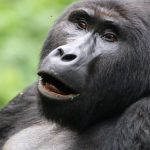
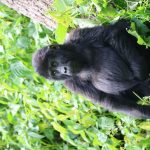
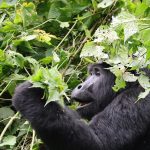
Many visitors book Uganda fly-in safaris specifically for gorilla trekking in Bwindi Impenetrable National Park or Mgahinga Gorilla National Park. While trekking is available year-round, the dry seasons (June–August and December–February) are generally more comfortable and offer easier hiking conditions.
That said, permits are limited and highly sought-after during the dry season. Booking well in advance is crucial, especially if you plan to fly into Kihihi or Kisoro airstrips for quick access to the gorilla tracking areas.
During the wet season, permit discounts may be available, and the forest is beautifully alive, although trails can be more challenging due to mud and rainfall. If you’re fit and adventurous, it’s still very doable and you may even have a more intimate experience with fewer trekking groups.
Kidepo Valley National Park and Remote Park Access
For remote destinations like Kidepo Valley National Park, which are difficult to reach by road, flying in is the only efficient and comfortable option. However, flights to Kidepo are more susceptible to weather disruptions during the wet months.
The best time to fly to Kidepo is during the dry season (June–September) when the landscape is open, wildlife gathers near waterholes, and visibility from the air is breathtaking. This park is less crowded than others year-round, making it a great option for those seeking raw, unfiltered wilderness.
Special Events and Migration Patterns
While Uganda doesn’t host the Great Migration like Tanzania or Kenya, there are notable seasonal wildlife behaviors worth aligning your trip with:
- Birding seasons (November–April): Ideal for birders flying into Mabamba Swamp, Semuliki, or Queen Elizabeth.
- Calving season (around February): Great time for predator sightings in savannah parks.
- Cultural festivals and local events also take place throughout the year and can add a rich cultural layer to your safari if timed well.
Consult with your safari planner or operator about specific animal behaviors or local festivals when choosing your travel dates.
In conclusion, when are you booking your Uganda fly-in safari? Choose your season, pack your bags, and get ready to see the Pearl of Africa from a truly spectacular perspective.