When to Visit Murchison Falls National Park. Murchison Falls National Park, located in northwestern Uganda, is one of the most iconic wildlife reserves in East Africa. Renowned for its dramatic landscapes, diverse flora and fauna. Not forgetting the spectacular Nile River cascading through the park, it beckons adventurers from around the globe. However, timing your visit can significantly influence your experience. Let’s delve into the nuances of the dry season, wet season, high and low seasons, and the best time to see wildlife.
Understanding the Seasons When to Visit Murchison Falls National Park
The Dry Season
The dry season typically runs from December to February and from June to August. During these months, rainfall is sparse, creating more favorable conditions for wildlife viewing. Animals congregate around water sources, making them easier to spot. The roads in the park are also more accessible, enhancing the overall safari experience.
The temperature during the dry season can be quite warm, with daytime highs averaging around 30°C. Early morning and late afternoon game drives are particularly rewarding, as animals are more active during these cooler parts of the day. This season is also perfect for walking safaris, where the absence of rain makes trails passable and gives visitors the chance to experience the park from a different perspective.
The Wet Season
Conversely, the wet season is from March to May and September to November. This period is characterized by heavy rainfall, with peaks often occurring in April and October. While the rain transforms the landscape into a lush, green paradise, it can pose challenges for wildlife viewing. Animals tend to disperse, making them harder to find. Additionally, muddy roads can limit access to certain areas of the park.
However, the wet season offers its own unique advantages. This is the time when many animals give birth, meaning you may witness adorable young animals alongside their mothers. Moreover, birdwatching reaches its peak during this time, as migratory species arrive, and the vibrant greenery provides an excellent backdrop for sightings.
High Season vs. Low Season
In Murchison Falls National Park, the high season aligns with the dry months, particularly from June to September and December through February. Expect a higher number of tourists during these times. This increased footfall has its upsides: more tour guides are available, and a variety of accommodation options will be open, often with better services. However, it’s advisable to book accommodations and tours in advance during this period to secure your preferred options.
The low season, on the other hand, coincides with the wet months from March to May and October to November. You’ll find significantly fewer tourists during this time, making it an excellent option for those seeking a more private experience in nature. The lower tourist numbers often mean that prices for accommodations may drop, providing an opportunity to experience the park at a fraction of the cost.
Best Time for Wildlife Viewing
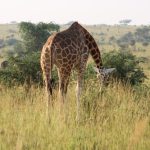
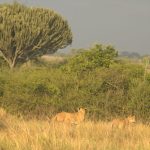
While something is rewarding about visiting Murchison Falls year-round, the best time for wildlife viewing is arguably during the dry season. As mentioned, with decreased rainfall, animals gather around the dwindling water sources. The open savannahs allow for easier spotting of wildlife, including elephants, lions, and giraffes.
The Murchison Falls area is famous for its populations of hippos and crocodiles, especially near the riverbanks. The early morning hours or late afternoons are the best times to witness the diverse array of wildlife, as predators like lions become more active.
For birders, early morning during the wet season can be particularly fruitful. The abundant plant life supports larger insect populations, which in turn attract a variety of bird species. Whether you’re hoping to see the stunning shoebill stork or colorful kingfishers, a visit during the wet season can yield fantastic sightings.
Conclusion
In summary, the best time to visit Murchison Falls National Park largely depends on your interests. If you aim for unparalleled wildlife viewing and wish to make the most of your safari experience. The dry season is ideal. However, if you prefer solitude, stunning greenery, and witnessing the miracle of life with youngsters in tow. Plan your visit during the wet season.
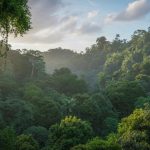
Regardless of when you choose to visit. Murchison Falls National Park promises unforgettable experiences with its lush landscapes, diverse ecosystems, and enchanting wildlife interactions. Whether you are embarking on game drives, taking a boat trip along the Nile, or simply soaking in the beauty of the falls. You’re sure to leave with memories that last a lifetime.