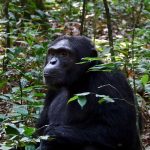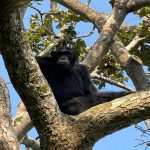
Is Gorilla Trekking Dangerous? Gorilla trekking is one of the most awe-inspiring wildlife experiences on the planet. Standing just a few meters from a silverback gorilla, watching it calmly chew on bamboo or interact with its family, can leave even the most seasoned traveler speechless. But with such proximity to wild, powerful animals in dense, remote forests, a natural question arises: Is gorilla trekking dangerous? The short answer is not really, but it’s a nuanced subject that deserves a closer look.
Highly Regulated for Your Safety and Theirs
To begin with, gorilla trekking typically takes place in protected national parks in Uganda, Rwanda, and the Democratic Republic of Congo, home to the endangered mountain gorilla. Uganda’s parks strictly regulate gorilla trekking, making it one of the safest wildlife encounters in the world. Tourists book permits in advance, attend safety briefings, and trek alongside trained guides and armed rangers. These experts actively track gorillas and interpret their behavior to ensure a safe and unforgettable experience. Their presence isn’t just for your safety, but also for the protection of the gorillas, ensuring that neither humans nor animals feel threatened.
The Trek Itself is Physically Demanding, But Not Dangerous
One of the most common concerns is the sheer physicality of the trek itself. Reaching the gorillas often involves hiking through thick jungle, slippery slopes, and high altitudes. This isn’t inherently dangerous, but it can be physically demanding, especially for those unaccustomed to hiking or with underlying health conditions. However, treks vary in difficulty, and park staff usually try to match visitors with groups based on fitness levels. It’s important to come prepared with good hiking boots, waterproof clothing, and a decent level of fitness, which goes a long way in making the experience safer and more enjoyable.
Are the Gorillas Dangerous?
Then there’s the matter of the gorillas themselves. Despite their intimidating size and strength, mountain gorillas are generally gentle and shy creatures. The gorilla groups that tourists visit are habituated. Meaning they’ve undergone years of careful exposure to humans and are familiar with their presence. Visitors are always advised to keep a safe distance (usually 7–10 meters). Avoid sudden movements, and follow the guide’s instructions at all times. If you respect these guidelines, gorillas rarely act aggressively. Incidents of gorillas attacking tourists are extremely rare, and usually occur only when the animals feel threatened. Which is why the role of the guide is so crucial.
Health Precautions: Protecting Both You and the Gorillas
Health risks also factor into the discussion of safety. Gorillas share about 98% of their DNA with humans, making them vulnerable to many of the same diseases. For this reason, if you’re feeling ill, even with a mild cold, you may be asked not to participate in the trek. Some parks even require visitors to wear masks when near the gorillas. This isn’t just for the gorillas’ safety; it’s also a reminder that being mindful of health and hygiene is part of responsible tourism.
Regional Security
Security in the region is another area travelers sometimes worry about, particularly in parts of the Democratic Republic of Congo. While there have been isolated instances of unrest, the parks themselves are generally safe and under heavy protection. Uganda and Rwanda, in particular, have invested significantly in tourism security, and incidents involving tourists are exceedingly rare. Still, it’s wise to check current travel advisories and work with reputable tour operators who are familiar with the region and current conditions.
In conclusion, while no wildlife encounter can be entirely without risk. When you follow proper protocols, gorilla trekking is not dangerous. With the guidance of trained professionals, respect for the animals, and a bit of physical preparation, you can safely enjoy what many describe as a life-changing experience.