Filming in Murchison Falls. Nestled in the northwestern corner of Uganda lies Murchison Falls National Park, a raw and untamed paradise where the mighty Nile River explodes through a narrow gorge before plunging 43 meters below. It’s not only Uganda’s oldest and largest national park but also one of East Africa’s most cinematic destinations. With its dramatic landscapes, rich biodiversity, and captivating wildlife encounters, Murchison Falls offers filmmakers a canvas painted with nature’s finest strokes.
Whether you’re shooting a wildlife documentary, a travel feature, or a conservation piece, Murchison Falls delivers unrivaled visual storytelling potential. From the thunderous falls thems elves to the golden savannahs dotted with elephants and giraffes, and the misty Budongo Forest echoing with the calls of chimpanzees, this region promises footage that both informs and inspires. But before you roll the camera, here’s what you need to know about filming in this extraordinary corner of Africa.
What to Film in Murchison Falls
The Iconic Murchison Falls
At the heart of the park lies the dramatic Murchison Falls – the main attraction and namesake. Here, the Nile River forces its way through a 7-meter-wide cleft in the rock, creating a thunderous explosion of water, mist, and rainbows. Filming the falls from the top offers sweeping panoramic shots, while a boat cruise to the base provides a more immersive and powerful perspective. The sounds, sights, and sheer power of the falls make them a dramatic subject, perfect for opening sequences or nature highlight reels.
Wildlife
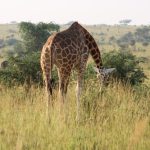
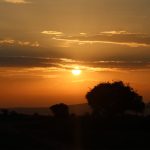
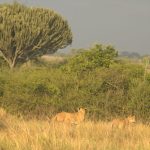
Murchison Falls is teeming with wildlife, offering filmmakers a chance to capture the Big Five (minus the rhino, which is found at Ziwa Rhino Sanctuary en route to the park). Lions laze in the tall grasses, elephants move majestically through the woodlands, and herds of Uganda kob, giraffes, buffaloes, and warthogs create dynamic scenes against a backdrop of rolling savannah. Early morning game drives offer the best lighting and animal activity, with golden hues casting dramatic shadows for cinematic effect.
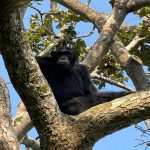
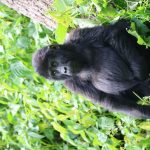
Chimpanzee in Budongo Forest
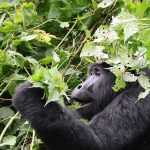
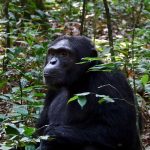
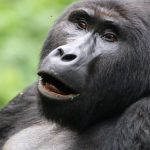
Just south of the falls lies the lush Budongo Forest Reserve, home to one of Uganda’s largest populations of chimpanzees. For filmmakers focused on primates or behavioral wildlife filming, chimpanzee trekking here is a must. Treks typically begin in the morning and involve tracking the chimps as they forage, play, and communicate. With patience and the right camera gear, you can capture intimate, emotion-rich moments of our closest relatives in their natural habitat.
Birdwatching
With over 450 bird species recorded, Murchison Falls is a birdwatcher’s heaven. Filming rare and colorful species like the shoebill stork, Abyssinian ground hornbill, and the Goliath heron can add rich diversity to any nature film. The Nile Delta is particularly productive for bird filming, especially during boat trips where aquatic birds are active and easier to approach. Early mornings and late afternoons yield the best results in terms of light and activity.
Costs of Filming in Murchison Falls
Filming in Uganda involves several costs beyond the usual travel expenses. Below are the typical costs you should plan for:
- Filming Fees (Uganda Wildlife Authority): Approx. $300–600 per day depending on crew size and equipment.
- Chimpanzee Trekking Permit: Around $130–$150 per person per day.
- Boat Cruises (for film crews): Around $30–$100 depending on private hire or shared, with extra charges for camera equipment.
- Guide/Fixer Services: $100–$150 per day depending on experience and services provided.
Filming Requirements
Before filming in Murchison Falls, ensure you meet the following requirements:
Press Accreditation
All foreign film crews must obtain press accreditation through the Uganda Media Council. This typically involves submitting passport copies, a synopsis of your project, and a letter from your media house or production company. Fees range from $175–$225 depending on the duration of your stay.
Kit Customs Clearance
Bringing professional filming equipment into Uganda requires customs clearance. You can obtain a temporary import permit (TIP) or pay a refundable bond. A local fixer or agent can help facilitate this with the Uganda Revenue Authority.
Transport and Accommodation
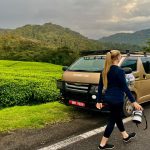
You’ll need a 4×4 vehicle for transport within the park, especially during rainy seasons. Car hire ranges from $100–$150 per day, excluding fuel. Accommodation options include:
- Budget: Red Chilli Rest Camp (~$30–$60 per night)
- Mid-range: Pakuba Safari Lodge (~$100–$150)
- Luxury: Paraa Safari Lodge or Nile Safari Lodge (~$250–$500)
Fixer/Production Support
Hiring a local fixer is essential for navigating permits, logistics, local contacts, and translation when needed. Expect to pay around $100–$150 per day, depending on scope and expertise. Many fixers also offer location scouting, vehicle hire, and equipment rental coordination.
Best Time to Film
The best time to film in Murchison Falls is during the dry seasons, which run from December to February and June to early September. These periods offer better road access, clearer skies, and more predictable animal sightings around water sources.
However, if you’re looking for lush green scenery and dramatic cloudscapes, the early rainy season (March to May) can also offer stunning visuals, though with added challenges like slippery roads and thick vegetation.
In conclusion, filming in Murchison Falls is a truly rewarding experience, blending breathtaking landscapes with unparalleled wildlife encounters. From the thunder of the falls to the quiet rustle of chimpanzees in the forest canopy, every frame tells a story. With the right preparation, local support, and a creative eye, you’ll return with more than just footage; you’ll capture the spirit of Uganda in its most vibrant form.