Age Limit for Golden Monkey Trekking. Golden monkey trekking is one of the most exciting wildlife experiences in East Africa. While mountain gorillas often steal the spotlight, golden monkeys offer an equally unforgettable adventure, especially for travelers who appreciate playful wildlife, beautiful forest scenery, and a more relaxed trekking experience. One of the most common questions travelers ask when planning this activity is, what is the age limit for golden monkey trekking? Understanding the age requirements helps families, groups, and solo travelers plan their trip with confidence.
In this guide, Vibrant Holiday Safaris explain the official age limit. Why it exists, what families with younger children should know, and other important tips to make your golden monkey trekking experience safe, enjoyable, and memorable.
Age Limit for Golden Monkey Trekking
What Is the Minimum Age for Golden Monkey Trekking?
The official minimum age for golden monkey trekking in both Uganda and Rwanda is 12 years old. This regulation is enforced by wildlife authorities, including the Uganda Wildlife Authority (UWA) and the Rwanda Development Board (RDB). Unlike many outdoor activities where parents can decide whether younger children participate, golden monkey trekking follows strict conservation guidelines. Every visitor is required to meet the minimum age before they are allowed to join a trekking group. While there is no official maximum age limit, participants should be in reasonably good health and physically capable of walking through forest trails that may be steep, muddy, or uneven.
Why Is the Minimum Age Set at 12 Years?
Many visitors wonder why children under 12 are not permitted to participate. The rule is based on several important reasons that protect both the wildlife and the visitors. First, young children can become tired, frightened, or restless during the trek. Golden monkey trekking usually lasts anywhere between one and four hours, depending on where the monkeys are located on the day of your visit. Younger children may struggle to complete the hike or remain quiet while searching for the monkeys.
Secondly, children are generally more likely to make sudden movements or loud noises that could disturb the animals. Golden monkeys are naturally active and curious, but excessive noise can alter their natural behavior and reduce the quality of the wildlife experience for everyone in the group. Another important reason involves disease prevention. Like gorillas, golden monkeys are susceptible to some human illnesses. Wildlife authorities limit participation to older visitors who are generally better able to follow health and safety guidelines throughout the trek.
Is There a Maximum Age Limit?
The good news is that there is no upper age restriction for golden monkey trekking. Visitors in their 60s, 70s, and even 80s have successfully completed the experience. The key requirement is being physically fit enough to handle the walking conditions. Unlike mountain gorilla trekking, golden monkey trekking is generally considered less strenuous because the monkeys usually stay in the lower bamboo forests rather than climbing high mountain slopes. Many senior travelers actually find golden monkey trekking to be an excellent alternative to gorilla trekking because it requires less hiking while still offering an incredible primate encounter. If you have any mobility concerns, it’s always advisable to consult your tour operator before booking. They can help assess the trek’s suitability based on your fitness level and the expected trail conditions.
What Happens If You Travel with Children Under 12?
Families traveling with younger children often wonder whether exceptions can be made. Unfortunately, wildlife authorities do not grant exceptions to the minimum age requirement. If some members of your family are under 12 years old, there are still plenty of enjoyable alternatives while older family members participate in the trek. Depending on your destination, children can enjoy cultural village visits, guided nature walks, birdwatching, community experiences, or spend time at the lodge under adult supervision. Many lodges located near the trekking areas also offer spacious gardens, children’s activities, and beautiful scenery that make waiting enjoyable for younger family members. Planning ahead with your tour operator ensures everyone has a rewarding experience, even if not everyone joins the trek.
Where Can You Go Golden Monkey Trekking?
Golden monkey trekking is offered in two main destinations in East Africa.
Mgahinga Gorilla National Park, Uganda
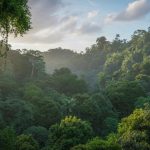
Uganda’s Mgahinga Gorilla National Park is home to habituated troops of golden monkeys living within the bamboo forests on the slopes of the Virunga Mountains. The park offers one of the best opportunities to observe these rare primates in their natural habitat. Treks usually begin early in the morning after a briefing from park rangers. Visitors hike through lush forests while experienced guides track the monkeys’ movements before leading the group to them. Once the monkeys are located, visitors spend one hour observing and photographing these energetic primates as they leap between bamboo stalks and forage for food.
Volcanoes National Park, Rwanda
Rwanda’s Volcanoes National Park is another exceptional destination for golden monkey trekking. The park is internationally famous for mountain gorillas, but its golden monkey population provides an equally fascinating wildlife encounter. The trekking experience is similar to Uganda’s, with knowledgeable ranger guides leading small groups into the bamboo forests. The monkeys are accustomed to human presence, allowing visitors to observe their playful behavior from a safe distance. Because Volcanoes National Park has well-maintained tourism infrastructure, many travelers combine golden monkey trekking with gorilla trekking during the same visit.
How Difficult Is Golden Monkey Trekking?
One reason golden monkey trekking appeals to many visitors is that it is generally easier than mountain gorilla trekking. Golden monkeys spend much of their time in bamboo forests located at relatively lower elevations. This often means shorter hiking distances and less challenging terrain compared to tracking gorillas in dense mountain forests. However, visitors should still expect uneven paths, muddy sections during the rainy season, and occasional uphill climbs. Wearing proper hiking boots, long trousers, and lightweight waterproof clothing makes the experience much more comfortable. Even though the trek is considered moderate, a basic level of fitness is recommended.
Tips for Families and First-Time Trekkers
- If you’re planning your first golden monkey trekking adventure, preparation makes a big difference.
- Wear comfortable hiking clothes suitable for changing weather conditions. Long sleeves and trousers help protect against insects and thorny vegetation.
- Carry enough drinking water to stay hydrated throughout the trek. Although the hikes are generally shorter than gorilla treks, walking through mountain forests can still be physically demanding.
- A good camera with a fast shutter speed is highly recommended. Golden monkeys move quickly through the trees, making photography both exciting and challenging.
- Most importantly, always follow your ranger’s instructions. Maintaining a respectful distance, staying quiet, and avoiding sudden movements help protect the monkeys and ensure everyone enjoys the experience.
Is Golden Monkey Trekking Worth It?
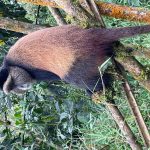
Absolutely. Golden monkey trekking offers a unique opportunity to observe one of Africa’s rarest primates in its natural environment. Their bright golden-orange fur, playful personalities, and constant movement create an unforgettable wildlife encounter that differs greatly from gorilla trekking.
For families with children aged 12 and above, couples, photographers, birdwatchers, and nature enthusiasts, this activity delivers incredible value while supporting conservation efforts that protect endangered wildlife and their habitats. Although the minimum age requirement may limit participation for younger children, it helps ensure both visitor safety and the long-term wellbeing of these remarkable primates.
Final Thoughts
The minimum age for golden monkey trekking is 12 years, and this rule applies across both Uganda and Rwanda. There is no maximum age limit, making the activity accessible to travelers of all ages who are reasonably fit and prepared for a forest hike. Whether you’re adding golden monkey trekking to a gorilla safari or planning it as a standalone adventure, understanding the age requirements allows you to organize your trip smoothly. With stunning bamboo forests, expert ranger guides, and close encounters with one of the world’s most beautiful monkey species. Golden monkey trekking remains one of East Africa’s most rewarding wildlife experiences. If you’re planning a safari with family or friends, checking everyone’s eligibility in advance ensures that your adventure begins without surprises and ends with unforgettable memories.